
Highlights
- Leticia is the capital of the Colombian Amazon and the gateway to the jungle. It shares a border with Brazil and Peru.
- From its dock, boats depart to Puerto Nariño, a town without motor vehicles, and to the Tarapoto Lakes, home to pink and gray dolphins.
- To explore the city, the river, and indigenous communities, it is recommended to spend at least three days. With four or five days, you can even sleep inside the jungle.
- At Tur.com you'll find multi-day programs combining Leticia, Puerto Nariño, and natural reserves.
Knowing what to do in Leticia, Amazonas is discovering a city surrounded by jungle, where the journey begins on its streets and continues along the river.
In the center, Santander Park fills with parrots at sunset, and just a few blocks away, crossing a street puts you in Brazil, right at the triple border.
From the dock, boats head upriver to Ticuna communities and natural reserves, where the experience changes completely.
There you can do canopy tours, climb trees, kayak, see squirrel monkeys and pink dolphins, and at night, go out by canoe while the jungle fills with the sounds of frogs and insects.
In this guide from Tur.com we tell you what to see in the city, which places to visit by river, and how many days you need for the trip.
- Multi-day jungle trips
- What to do in Leticia, Amazonas, without leaving the city
- River, lakes, and communities
- Which trip suits you?
- Frequently asked questions about what to do in Leticia, Amazonas
- Leticia, where the jungle begins
Multi-day jungle trips
For many travelers, the answer to what to do in Leticia, Amazonas is a multi-day itinerary.
The most visited places are hours apart by boat, and many experiences happen at dawn or at night.
The most common route starts in Leticia, goes upriver to indigenous communities and reserves, and ends in Puerto Nariño and the Tarapoto Lakes.
These programs combine that route with a guide, river transfers, and nights in the jungle.



What to do in Leticia, Amazonas, without leaving the city
The city can be explored on foot in an afternoon. It’s the place to get used to the heat, try jungle fruits, and meet the local peoples before heading to the river.
Santander Park
The Santander Park is the main square of Leticia and every afternoon becomes the stage for one of the most applauded natural spectacles.
Around five-thirty, thousands of parrots return from the jungle to sleep in the trees.
The noise of the birds fills the park for several minutes as the sky darkens.
It’s one of the first things travelers can do upon arrival and requires nothing more than being there at the right time.
Ethnographic Museum
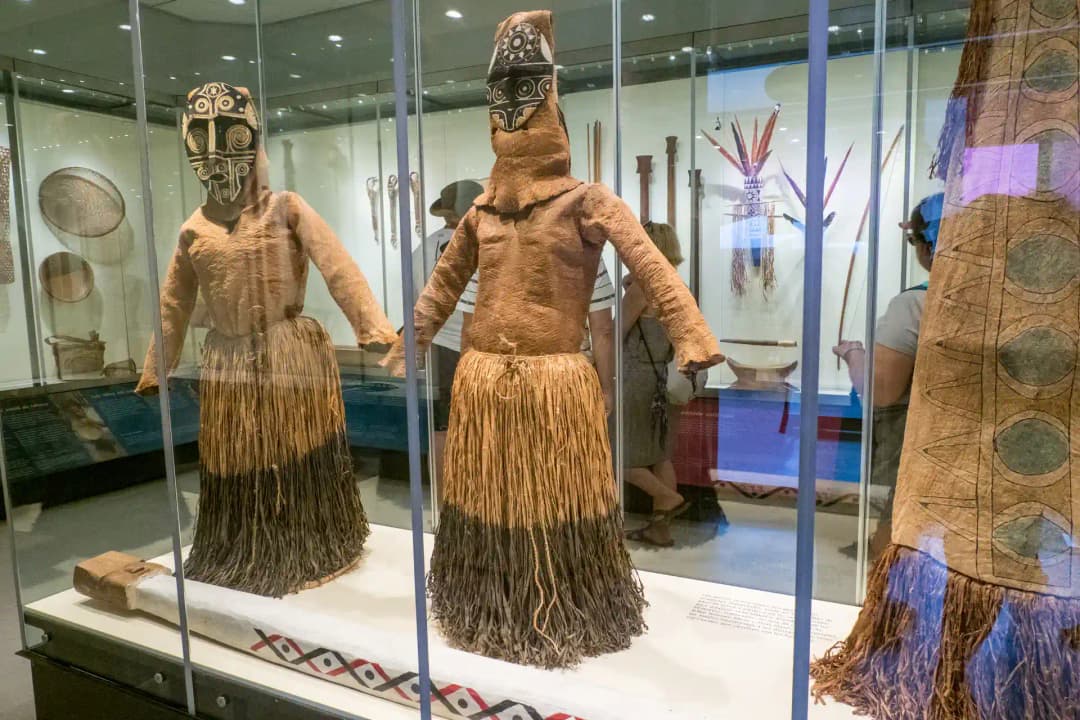
The Ethnographic Museum of the Banco de la República tells the story of the Amazon basin, from its first inhabitants to the rubber era.
Its main hall displays about one hundred pieces belonging to the Uitoto, Yukuna, and Ticuna peoples.
Admission is free, and the visit helps better understand what you will later see in the river communities.
Market square and waterfront
In the market square there are local stalls selling Amazonian fruits like copoazú and açaí, as well as a wide variety of river fish.
A few steps away is the waterfront, from where you can watch the coming and going of boats and canoes connecting neighboring villages.
Tabatinga and the triple border
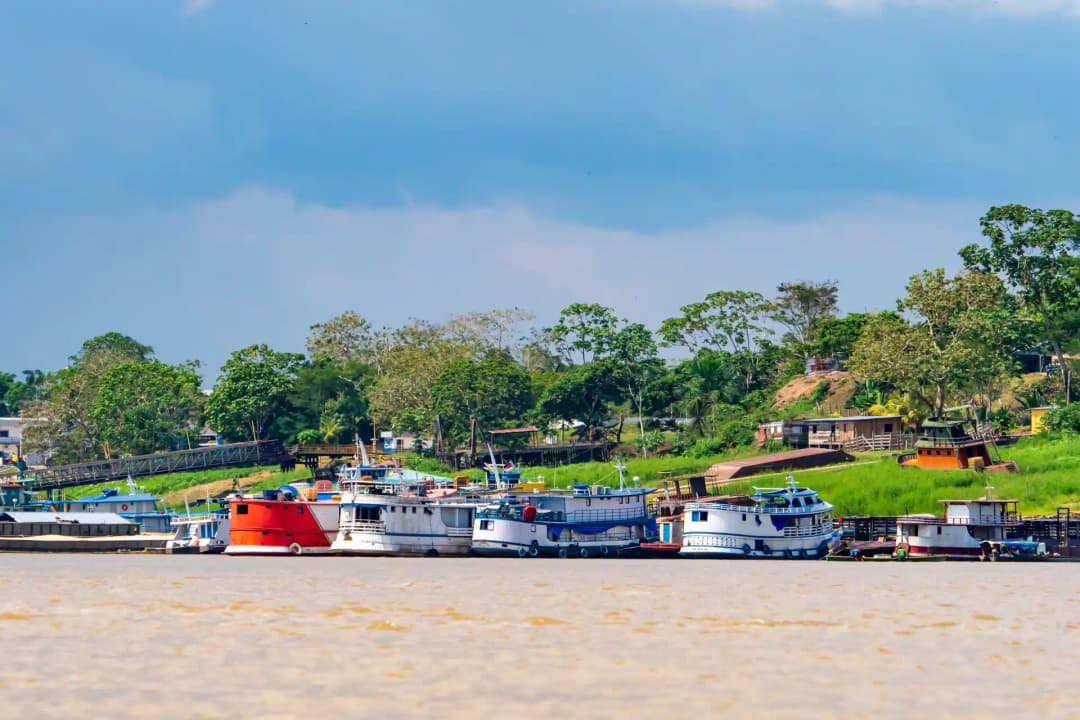
Leticia and the Brazilian town of Tabatinga function almost as one city.
Just crossing a street changes country, language, and currency, with a panoramic viewpoint on the Brazilian side overlooking the vast Amazon River.
Opposite is the Peruvian island of Santa Rosa. That’s why the area is known as the triple border: in one day you can step foot in Colombia, Brazil, and Peru.
River, lakes, and communities
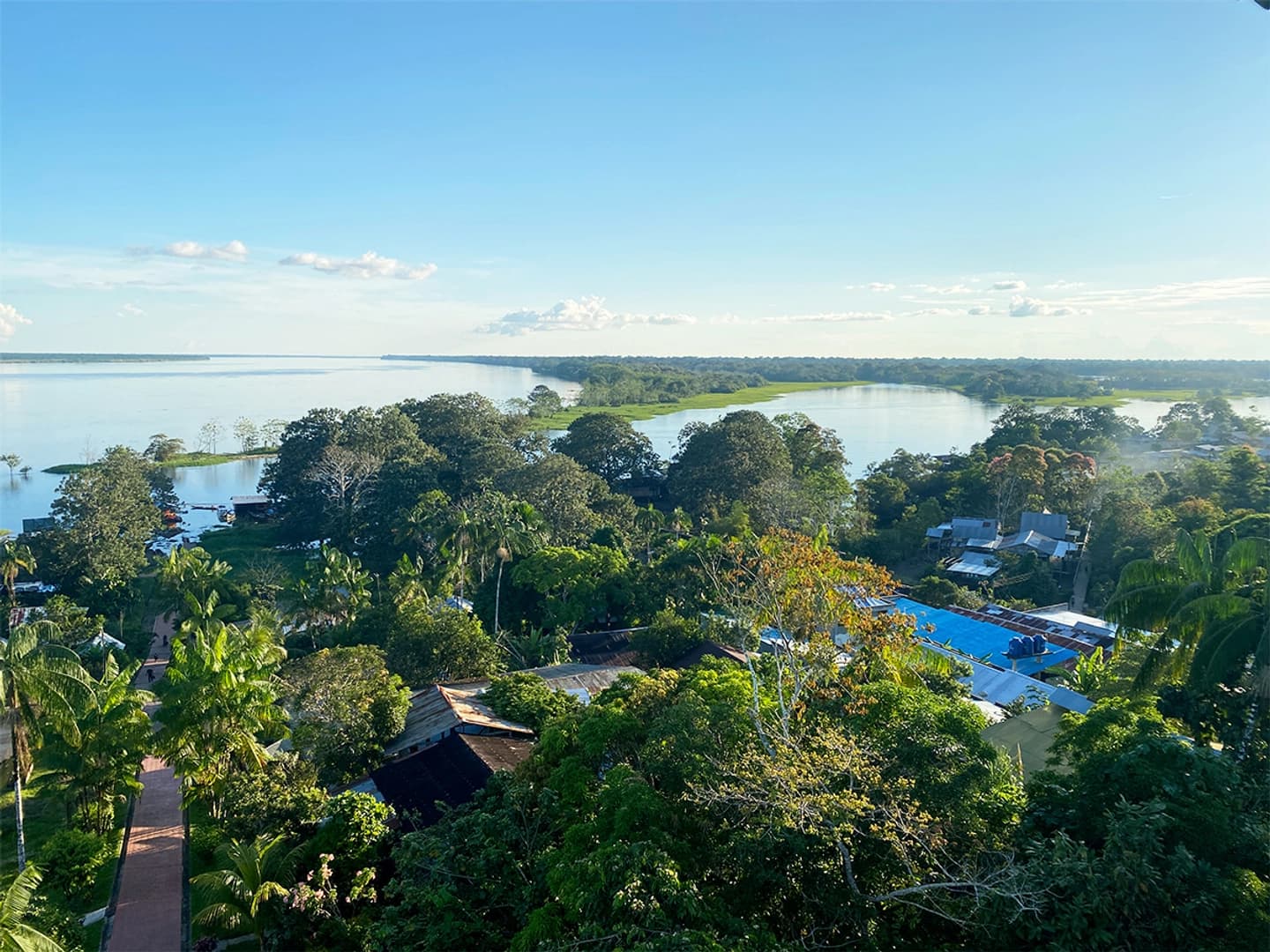
Much of what to do in Leticia is on the water and its shores. Upriver there are islands with monkeys, indigenous communities, reserves with trails, and lakes with dolphins.
Monkey Island
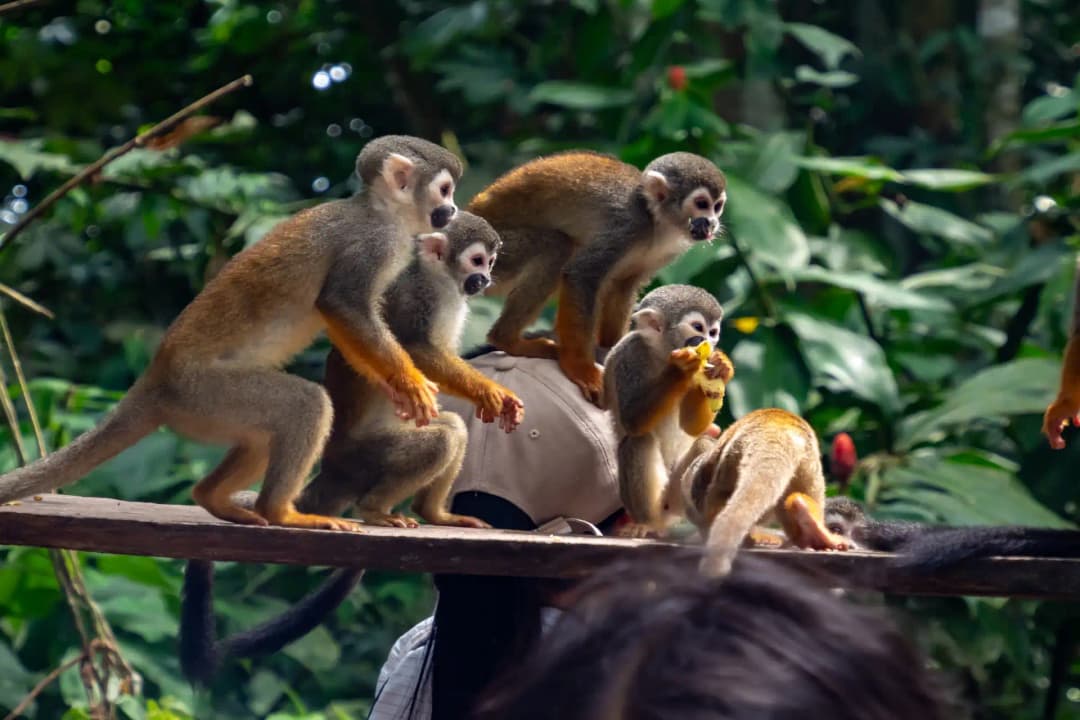
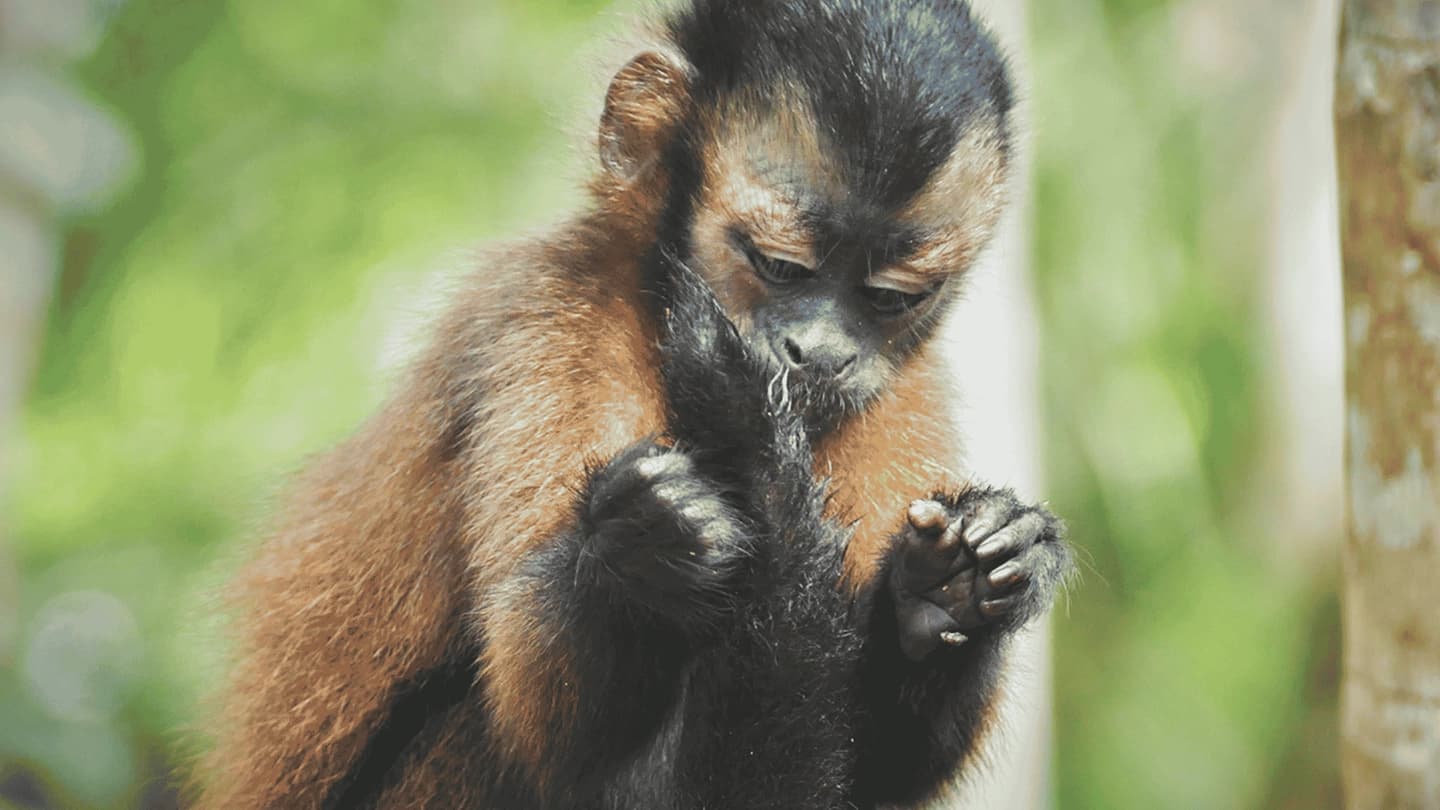
About forty-five minutes by boat from Leticia is Monkey Island, home to thousands of squirrel monkeys.
They are small, curious, and often approach visitors, making it a very photographed stop.
Mocagua and primate conservation
Mocagua is a Ticuna community with painted houses on the banks of the Amazon.
From the village, a trail leads to a rehabilitation center focused on protecting species, especially the mico churuco, a large dark-furred monkey.
Here you can share a lunch prepared by community families and learn how they care for the wildlife in their territory.
Natural jungle reserves
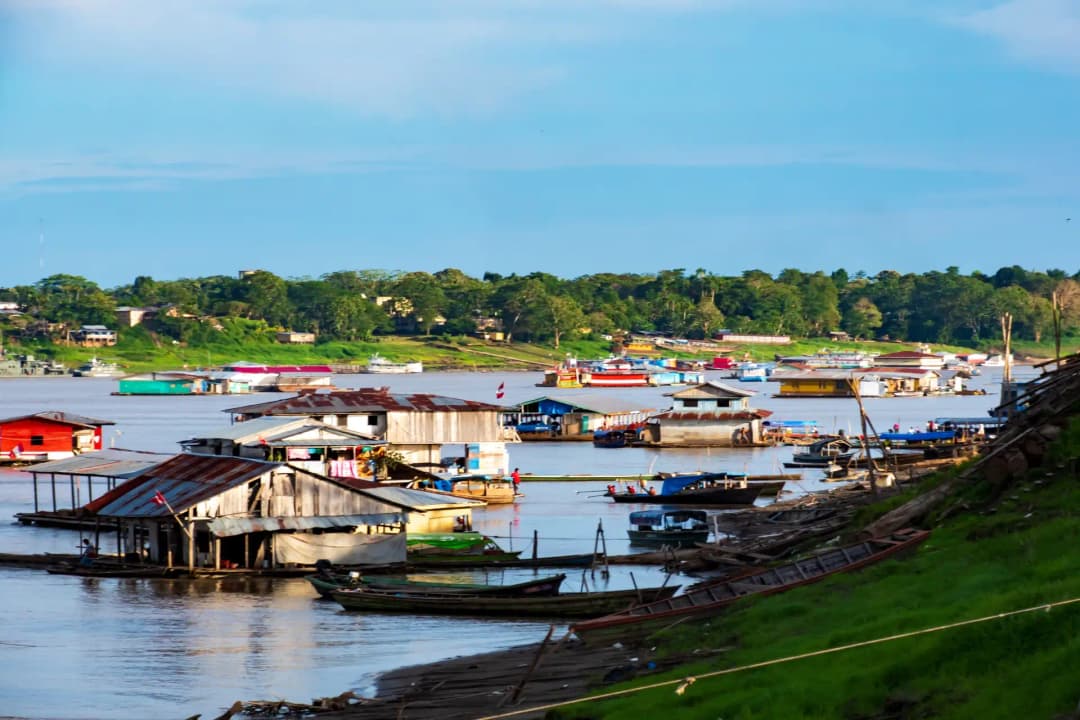
Around Leticia there are several natural reserves where you can sleep inside the jungle.
Some have treehouses, others are next to rivers and streams accessible by canoe.
There you can walk among centuries-old trees, kayak, birdwatch at dawn, and go out at night by canoe to look for caimans with a flashlight.
In high waters, the forest floods and part of the tours are done navigating among the trees.
Puerto Nariño
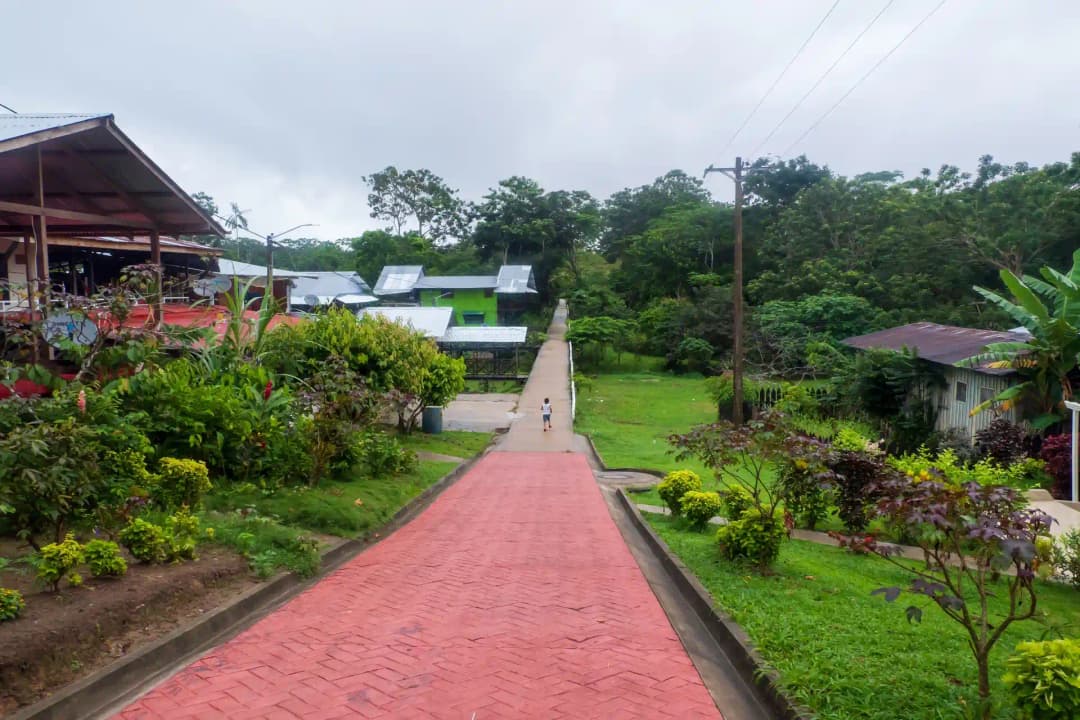
Puerto Nariño is about eighty kilometers upriver from Leticia and can only be reached by boat.
This municipality stands out for the total absence of motor vehicles: its streets are pedestrian paths between wooden houses and gardens.
From the Naipata viewpoint, an eighteen-meter tower, you get privileged views over the Amazon and Loretoyacu rivers and the surrounding jungle.
Very close by, the Natutama center explains how the river changes between high and low waters.
Tarapoto Lakes
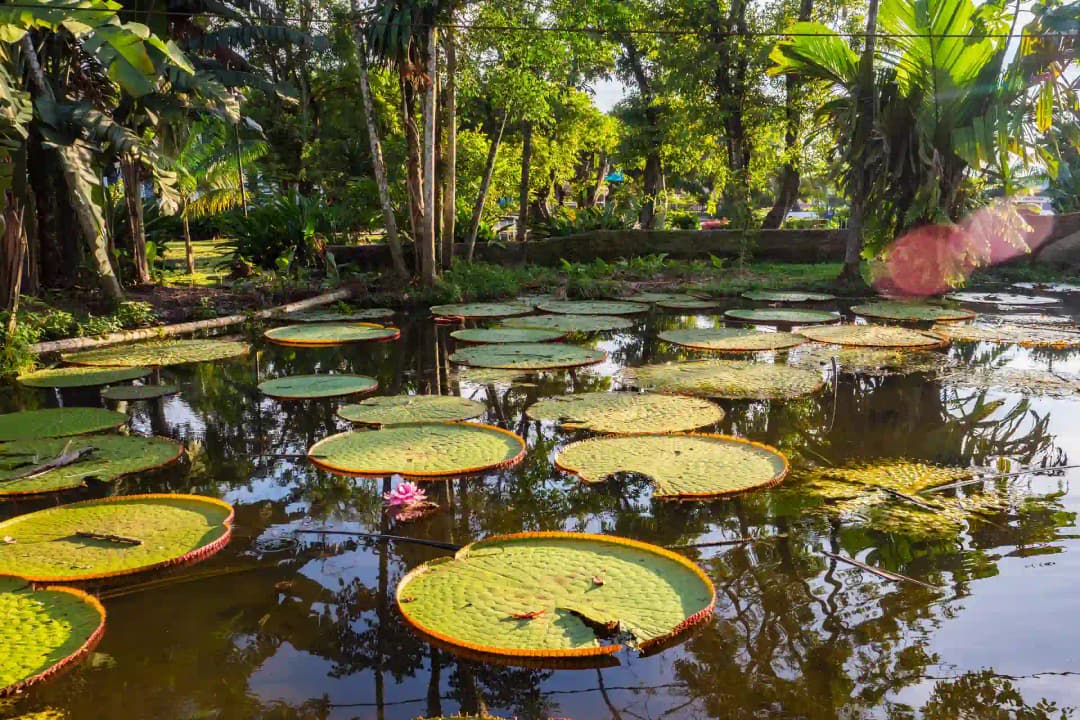
The Tarapoto Lakes are a group of lakes near Puerto Nariño. They are recognized by the Ramsar Convention, a global agreement to protect wetlands.
It’s the best-known place to see pink and gray dolphins in their habitat. Tours are done by boat.
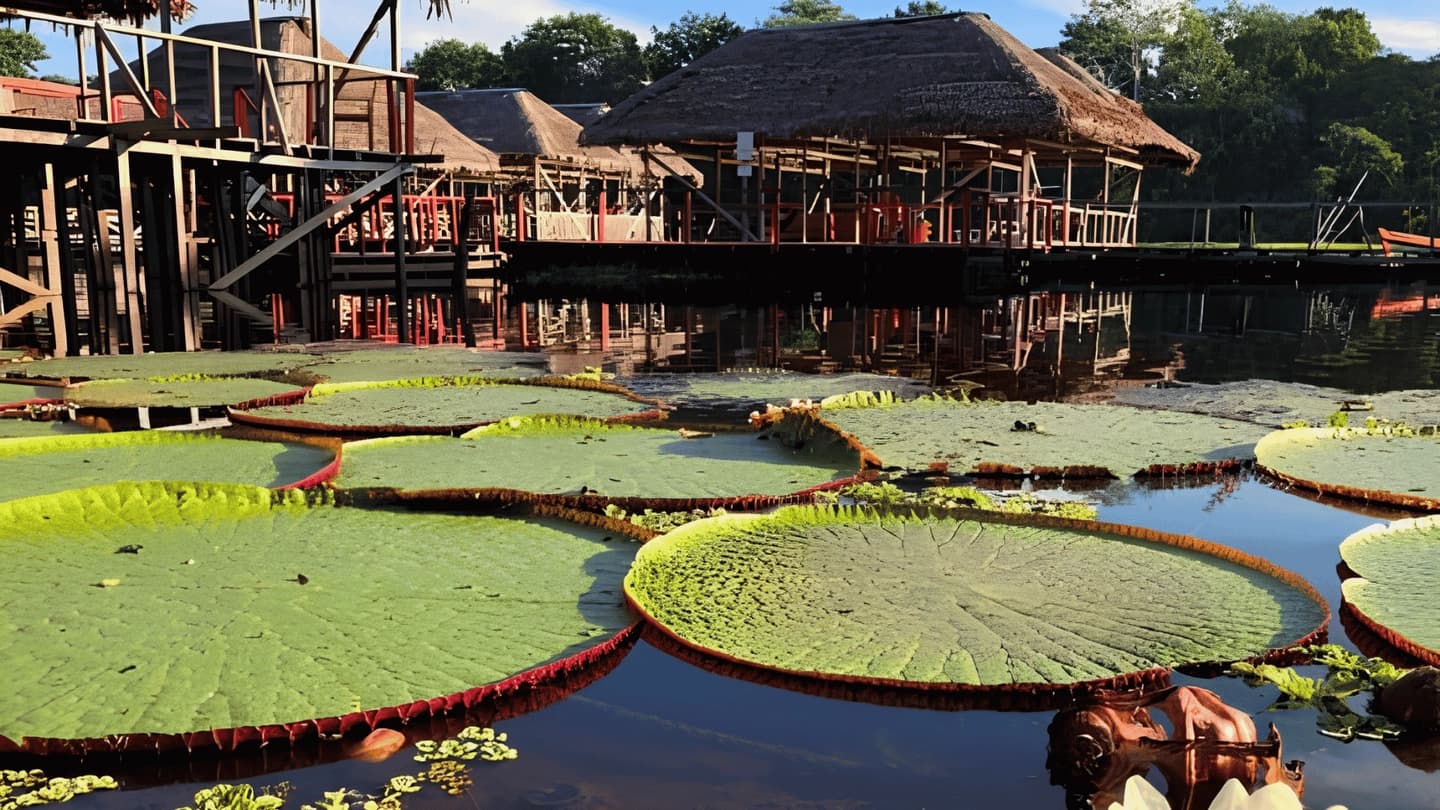
Depending on the water level, you can also see birds, the Victoria regia (a giant water lily), and sunsets over the lake.
Cacao Island
Opposite Puerto Nariño, on the Peruvian side, is Cacao Island, with interior lakes surrounded by vegetation.
It is explored by boat to look for sloths, birds, and more specimens of Victoria regia.
Which trip suits you?
We know some travelers come for the first time and want to see the essentials, while others seek more days inside the jungle.
That’s why we created this section to help you decide what to do in Leticia, Amazonasaccording to your travel style.
- If it’s your first time in the Amazon: a four-day itinerary lets you see the most famous spots without rushing. You visit Leticia and Tabatinga, Mocagua, sleep in Puerto Nariño, and navigate the Tarapoto Lakes to look for dolphins.
- If you’re interested in indigenous cultures: look for a program that includes visits to malocas and Ticuna communities. These experiences include conversations with local elders, preparing traditional dishes, and learning about medicinal plants.
- If you want to sleep inside the jungle: choose a five-day trip with nights in natural reserves. You’ll have dawn and night walks, birdwatching, and canoe trips on smaller rivers away from the city.
- If you’re traveling with family: the Amazon works well for curious kids and adults alike. Seeing the parrots at Santander Park, squirrel monkeys, and pink dolphins are activities enjoyed by all ages.
- If you’re traveling as a couple: the sunsets over the Tarapoto Lakes and quiet nights in Puerto Nariño, without engine noise, give the trip a relaxed pace.
Frequently asked questions about what to do in Leticia
What is the best time to visit Leticia?
Between December and May, during the high water season. The forest floods and you can navigate by canoe among the trees. Between August and October the river lowers and trails are drier for walking.
How many days should I stay in Leticia?
At least three days. With four or five days, you can add Puerto Nariño, the Tarapoto Lakes, and nights in natural reserves.
How much is the entrance fee to Leticia?
About 50,000 Colombian pesos (approx. USD 16) per person. It’s an entrance tax paid in cash at the airport upon arrival.
Is it cold or hot in the Amazon?
Hot and humid all year, with temperatures between 24 and 31 °C. It’s best to bring lightweight, quick-drying clothes, long pants, long-sleeved shirts for mosquitoes, sturdy footwear, and insect repellent.
What vaccines do I need to go to the Amazon?
The yellow fever vaccine, administered at least 10 days before the trip. Colombia’s Ministry of Health requires it for travel to risk areas, including the Amazonas department.
Leticia, where the jungle begins
Choosing what to do in Leticia, Amazonas means choosing between city, river, and jungle within a few kilometers.
In Leticia you see thousands of parrots arrive at Santander Park, learn Amazonian history in its museum, and cross to Brazil on foot.
Upriver, the journey changes scale. You see squirrel monkeys up close on Monkey Island and have lunch with Ticuna families in Mocagua.
Then you walk through Puerto Nariño, where you only hear footsteps, birds, and boats.
In the Tarapoto Lakes you look for pink dolphins at sunset. In the natural reserves, you sleep surrounded by jungle, with night canoe trips and walks among centuries-old trees.
It’s a trip for those who want unfiltered nature and time to watch it calmly, alone, as a couple, or with family.
At Tur.com you’ll find tours through the Colombian Amazon to plan your days between river and jungle.