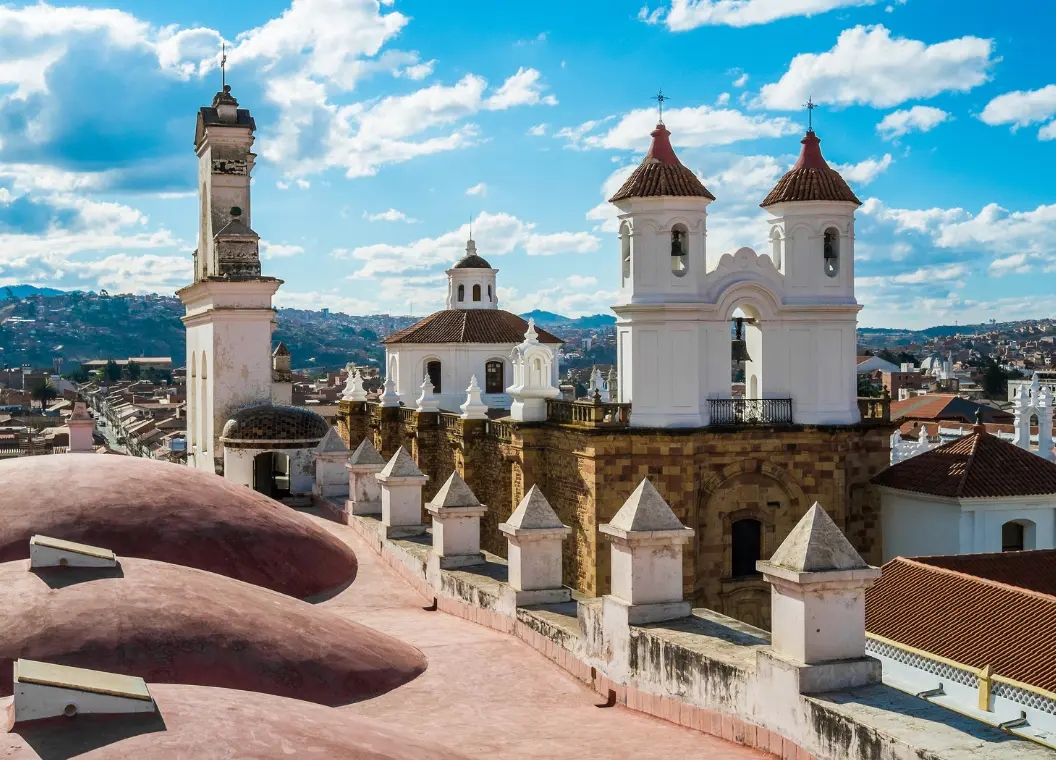
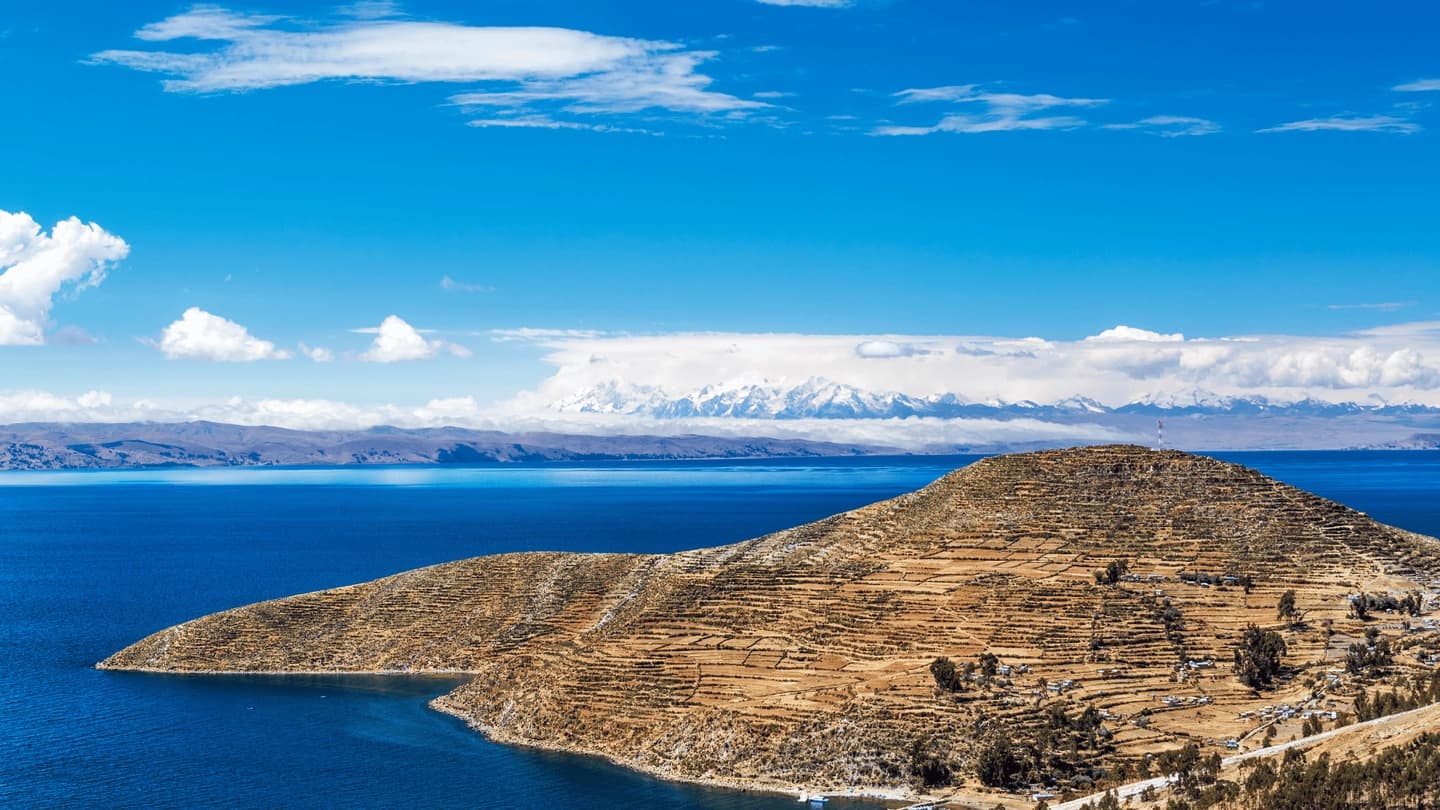
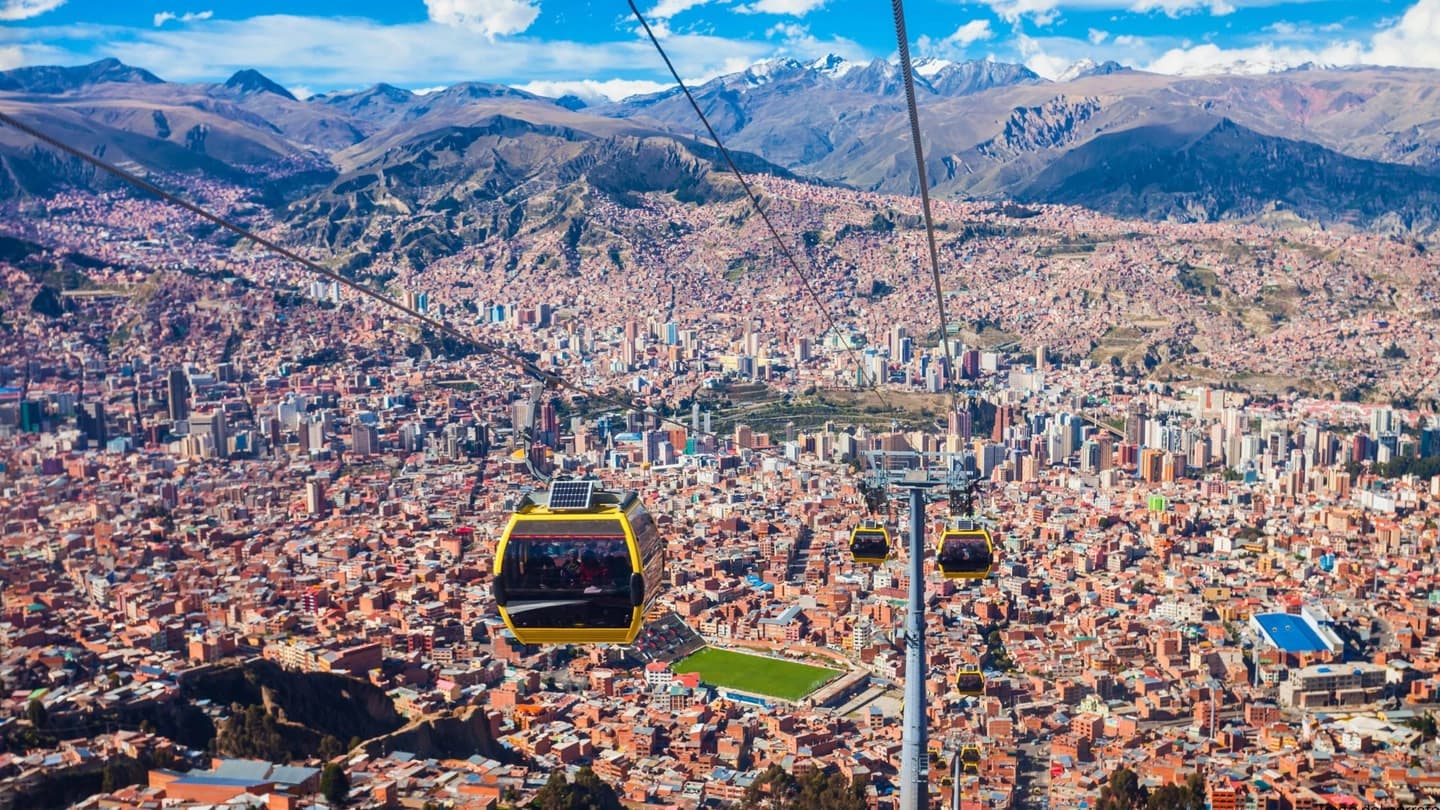
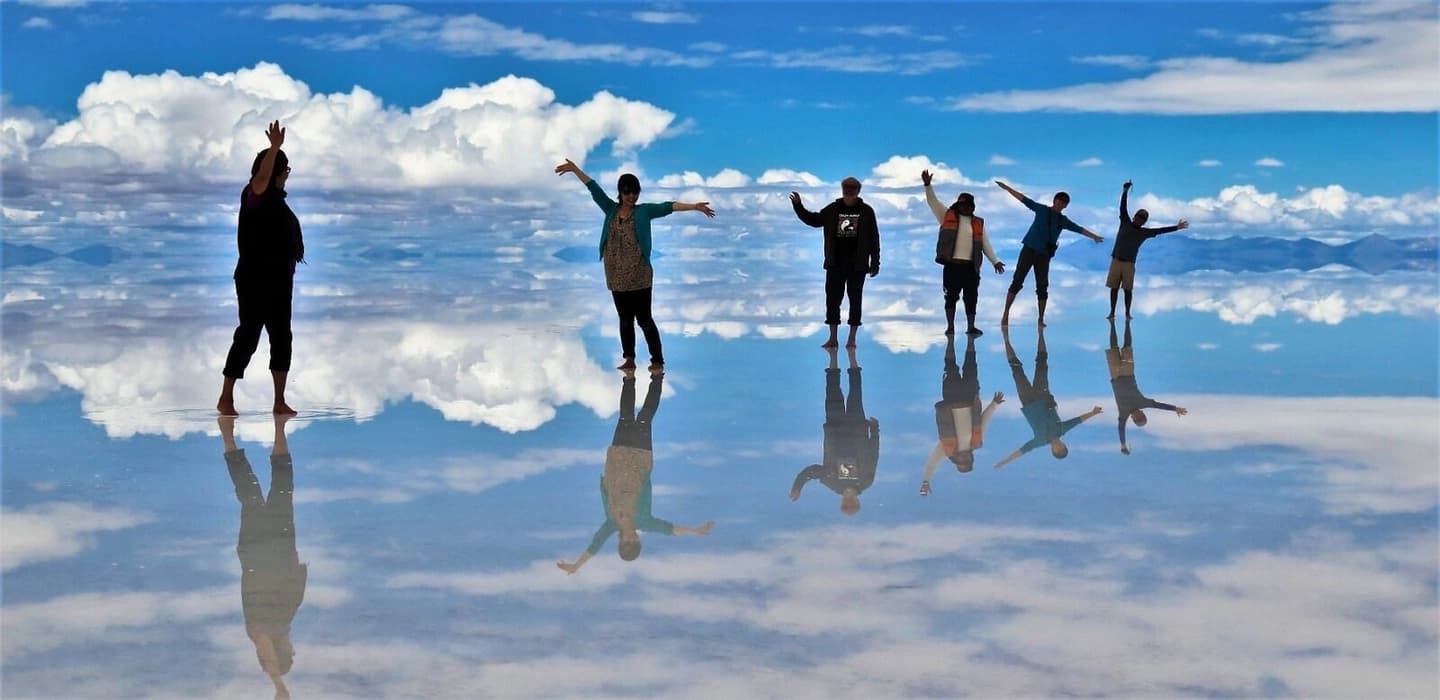
According to tourists who have visited Bolivia, the must-see attractions on a first visit are: 1. Salar de Uyuni: The largest salt flat in the world, featuring surreal landscapes and a mirror effect during the rainy season. Accessible via organized tours from Uyuni, Tupiza, or San Pedro de Atacama (Chile). It covers over 10,000 km². 2. La Paz: The seat of government, a vibrant metropolis located in an Andean canyon, known for its markets and cable car system. Average altitude of 3,650 meters above sea level. Accessible by domestic and international flights and intercity buses. 3. Sucre: The constitutional capital, a white colonial city declared a UNESCO World Heritage Site. Designated a UNESCO World Heritage Site in 1991. Accessible by flights and buses from other major cities. 4. Lake Titicaca (Copacabana and Isla del Sol): The highest navigable lake in the world, with islands that host pre-Columbian ruins and indigenous communities. Altitude of 3,810 meters above sea level. Accessible by bus to Copacabana, then ferry to Isla del Sol. 5. Potosí and Cerro Rico: A historic mining city and Cerro Rico, famous for its silver. Potosí is located at 4,090 meters above sea level. Accessible by bus or tour from Sucre or Uyuni.
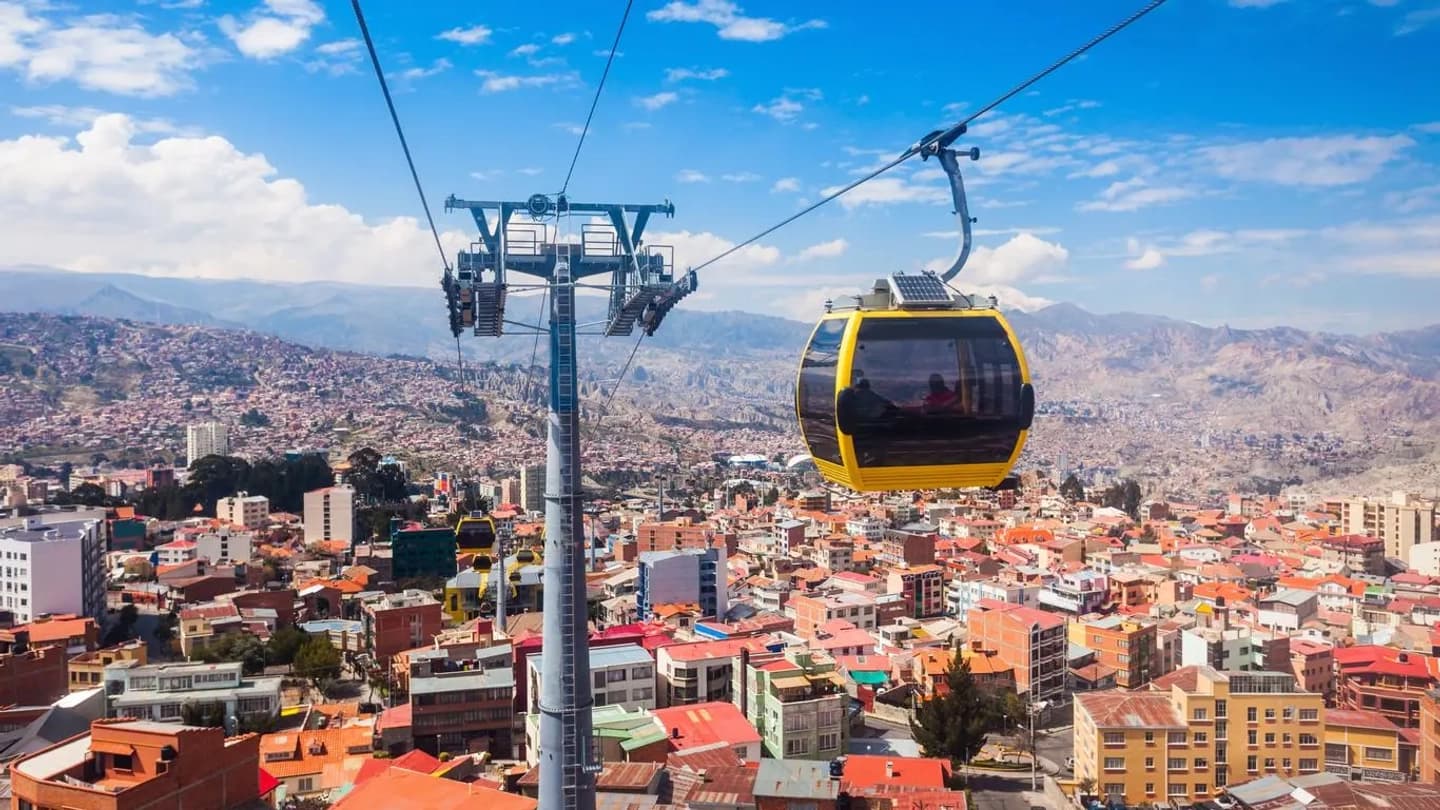
The top-rated activities by tourists in Bolivia are: 1. Tour of Salar de Uyuni: Explore the largest salt flat in the world on a multi-day tour, visiting colorful lagoons, deserts, and rock formations. Includes visits to Isla Incahuasi and the train graveyard. Approximate duration: 3-4 days. 2. Cable car ride in La Paz: Use La Paz's extensive cable car system for panoramic views of the city and efficient transportation. The Mi Teleférico network is the highest in the world. Approximate duration: Variable. 3. Visit to the Potosí Mines: Take a guided tour of the silver mines at Cerro Rico to learn about mining history and the life of miners. It is recommended to go with local guides and respect customs. Approximate duration: 3-4 hours. 4. Explore the Bolivian Amazon (Rurrenabaque): Venture into the Amazon rainforest to observe wildlife, flora, and local communities. Possibility of spotting pink dolphins, monkeys, and caimans. Approximate duration: 3-5 days. 5. Hiking in the Cordillera Real: Go hiking and trekking in the stunning mountains of the Bolivian Andes. Includes routes like Choro or Takesi. Approximate duration: 1-5 days.
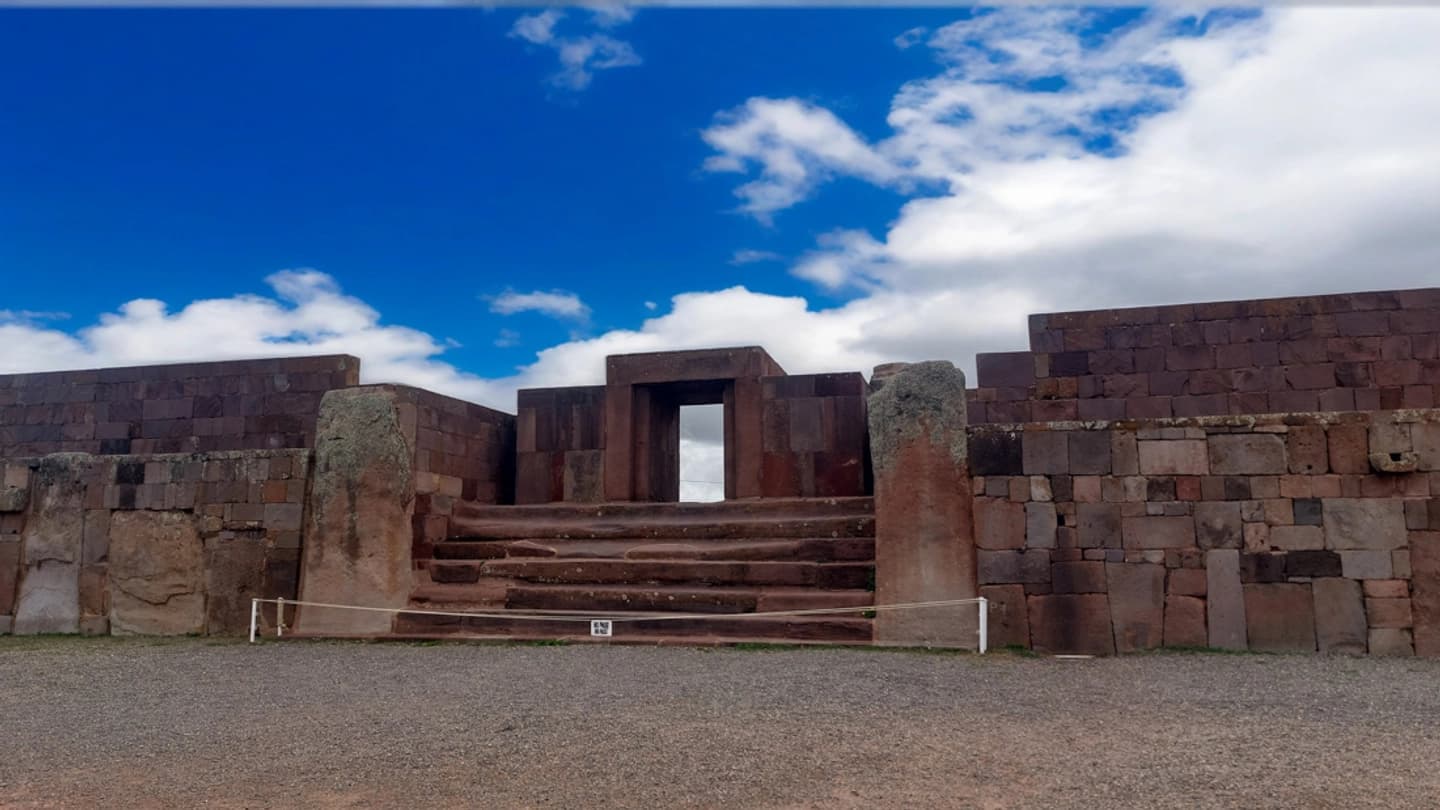
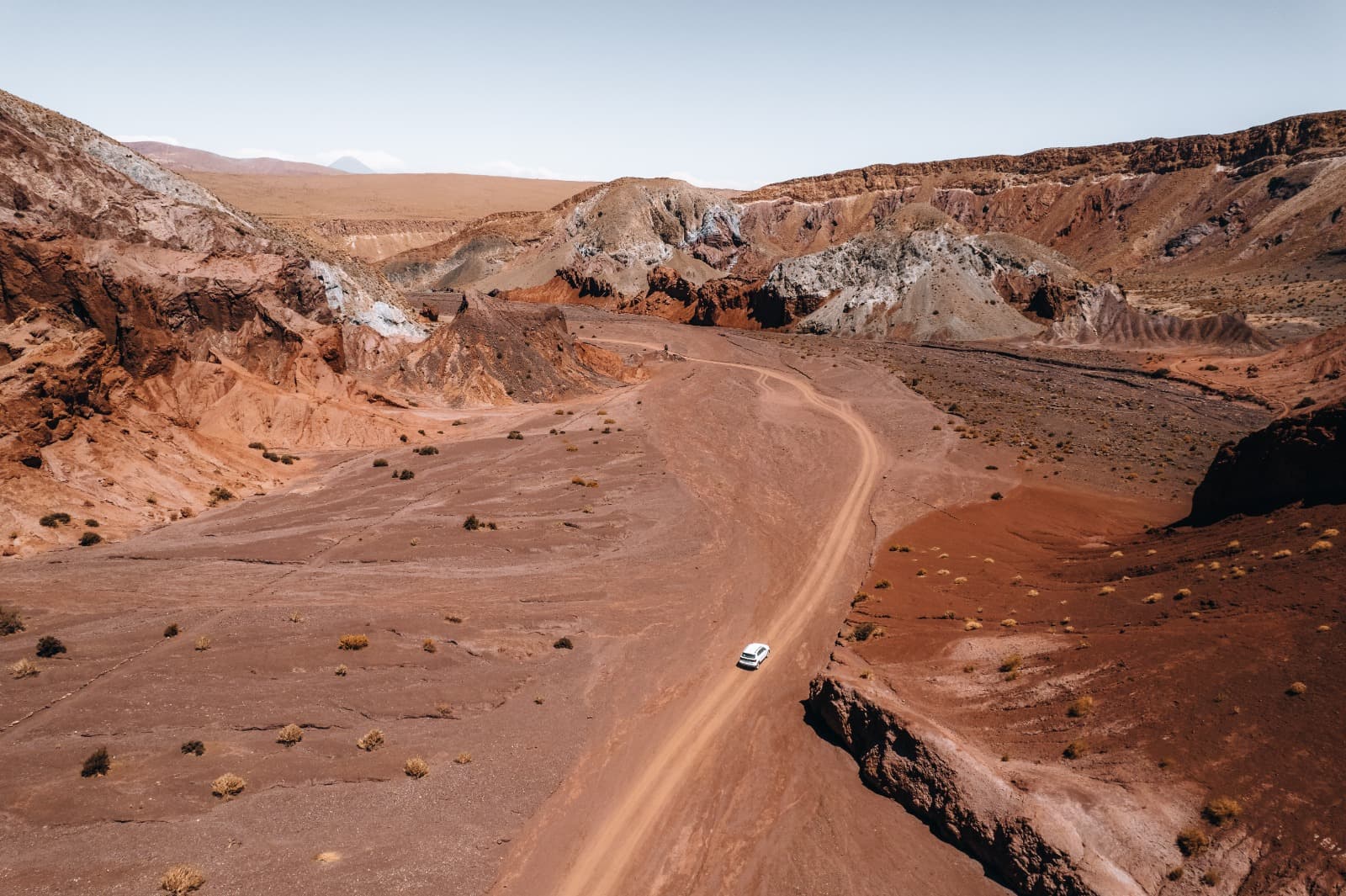
The following day trips can be taken from Bolivia: 1. Valle de la Luna (La Paz): Geological formations of clay and sand sculpted by erosion. Lunar landscape with whimsical formations. Distance: 10.0 km, Travel time: 30 minutes by taxi/bus. Best for: Nature, photography. 2. Tiwanaku Ruins: Archaeological remains of the ancient Tiwanaku civilization, including the Gateway of the Sun. A pre-Incan archaeological site of great historical importance. Distance: 72.0 km, Travel time: 1.5 hours by bus/car. Best for: History, archaeology. 3. Torotoro National Park: Canyons, caves with stalactites and stalagmites, dinosaur footprints. Famous for the City of Itas and the Umajalanta Cave. Distance: 140.0 km, Travel time: 4 hours by bus/car (from Cochabamba). Best for: Adventure, geology, paleontology. 4. Samaipata and Fuerte de Samaipata: Pre-Columbian and colonial ruins, and the town of Samaipata. The Fuerte de Samaipata is a UNESCO World Heritage Site. Distance: 120.0 km, Travel time: 2 hours by bus/car (from Santa Cruz). Best for: History, archaeology, nature.
To visit the main attractions of Bolivia, it is recommended to spend between 10 and 15 days. Ten days allow you to see the key points of the Andes (Salar de Uyuni, La Paz, Lake Titicaca). Fifteen days add colonial cities like Sucre and Potosí. Twenty-one days allow for a more relaxed exploration of the Amazon or the colorful lagoons and acclimatization. The suggested distribution for 10 days is: La Paz (3), Lake Titicaca (2), Uyuni (3), Sucre (2). For 15 days, add Potosí (1) and more time in Sucre and La Paz. For 21 days, include Rurrenabaque (Amazon) or explore the south (Tupiza). Factors to consider include the size of the country and distances, altitude and the need for acclimatization, the dispersion of main attractions, and the desired travel pace.
The high season is from May to September, with dry, cool, and clear weather, ideal for the Salar de Uyuni and the Andes. Temperatures range from 0°C to 15°C. Prices are high, with a significant increase in accommodation and popular tours, especially during the National Holidays in August. Advantages include stable weather and the best conditions for the Salar and hiking. Disadvantages include high prices, increased tourist influx, and intense cold in the highlands. The low season is from December to March, with rainy weather, warm in the lowlands, and frequent precipitation. Temperatures range from 10°C to 25°C. Prices are low, with discounts of 20-30% on average. Advantages include lower prices, fewer tourists, and the Salar de Uyuni becoming a spectacular mirror. Disadvantages include that rains can hinder transportation and access to some areas, and overcast skies are common. The ideal season is April, October, and November, with temperatures between 5°C and 18°C. It offers a good balance between pleasant weather and moderate prices, with fewer crowds and possible deals.
No, traveling to Bolivia is economical. The local currency is the BOB, with an approximate exchange rate of 6.9 BOB per USD. The estimated daily budget is: backpacker between USD 28 and USD 40 (includes accommodation in shared hostels, inexpensive local food, public transportation, and basic activities); mid-range between USD 58 and USD 80 (includes private rooms, meals in local/tourist restaurants, paid tours, and intercity transportation); and comfort between USD 120 and USD 200 (includes mid-high range hotels, restaurants, private tours, and more comfortable transportation). Reference costs are: average meal in a restaurant between USD 6 and USD 10; inexpensive meal between USD 2 and USD 4; urban public transportation between USD 0 and USD 1; average attraction entry between USD 5 and USD 20; budget accommodation per night between USD 6 and USD 12; and mid-range accommodation per night between USD 29 and USD 72. An example budget for 5 days is USD 150-250 for a backpacker, covering basic accommodation, local food, transportation, and essential tours like Salar de Uyuni (additional cost). Bolivia is consistently the most economical country in South America, significantly cheaper than Peru, Chile, or Argentina. Money-saving tips include eating at local markets, using overnight buses, respectfully negotiating prices, taking advantage of free activities, and buying crafts directly from producers.
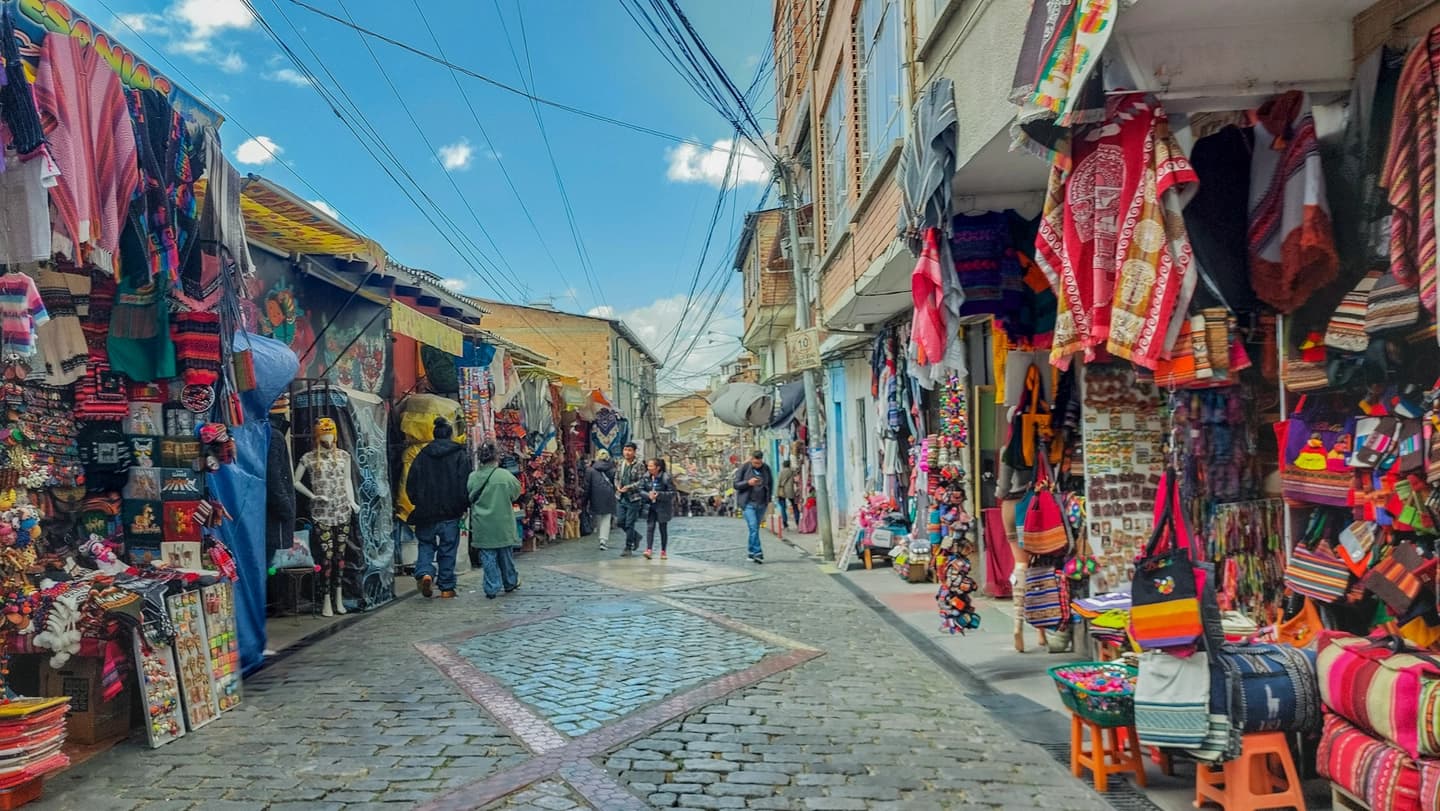
The Witch Market (La Paz) and Plaza Murillo (La Paz) have no entrance fee; you only pay for purchases at the former. Strolling through the streets of Sucre is free access. For guided tours, there is the Free Walking Tour La Paz, which covers the historic center and operates on a voluntary tip basis for the guide, lasting 3-4 hours. There is also the Free Walking Tour Sucre, which explores the historic center and lasts 2-3 hours, also with voluntary tips. For guided tours, Tur.com highlights: 3-day tour of Salar de Uyuni from Uyuni starting at USD 110; 1-day tour of Salar de Uyuni from Uyuni starting at USD 35.