Up to 6 interest-free installments with MercadoPago
logo
logo
  • Near me
Qué hacer en Nazca

Qué hacer en Nazca

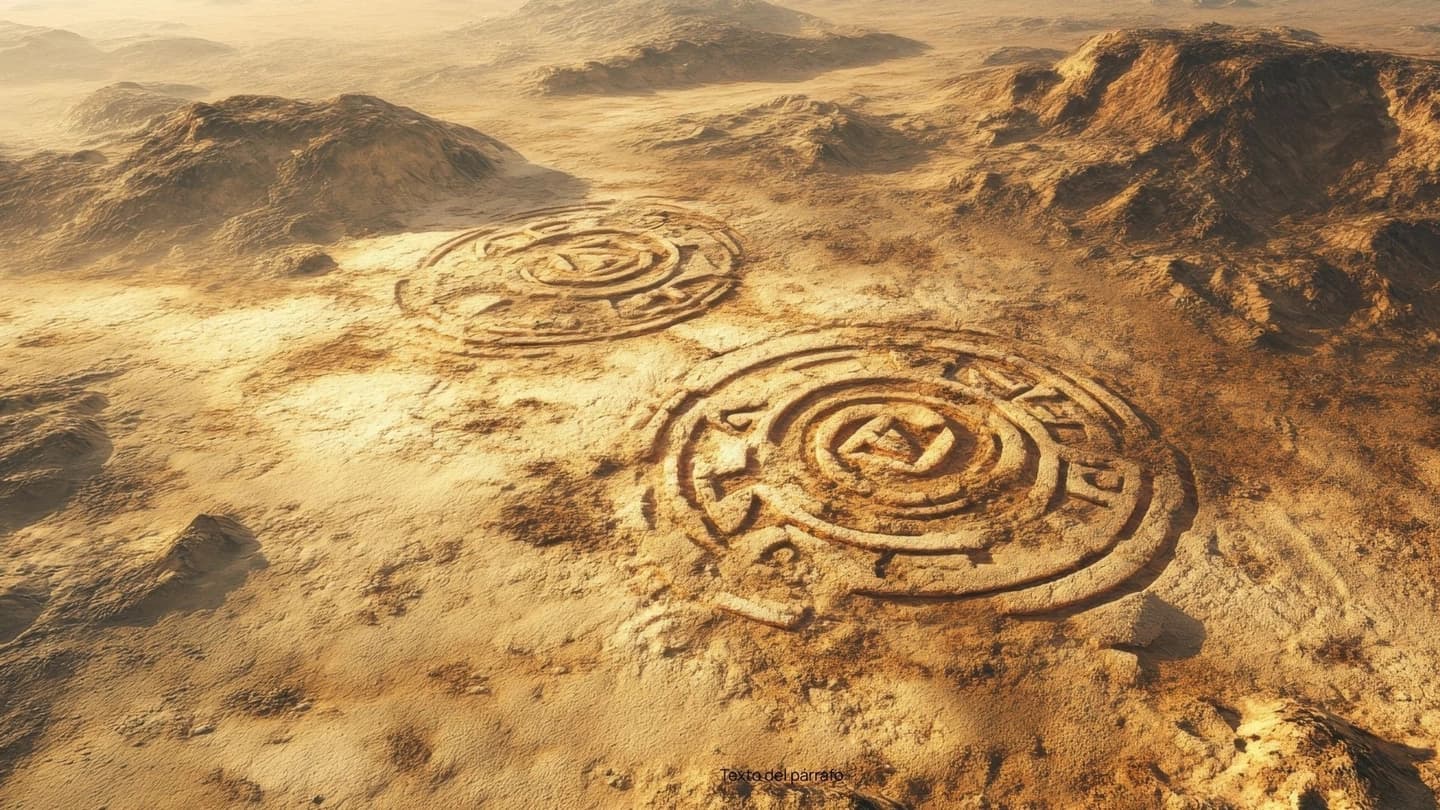
Viaja a Nazca para descubrir el misterio milenario de sus Líneas, inmensos geoglifos solo visibles desde el aire. Experimenta la emoción de sobrevolar el desierto, conectando con una civilización ancestral. Nazca es un destino inolvidable que combina arqueología, historia y adrenalina pura.

Best season

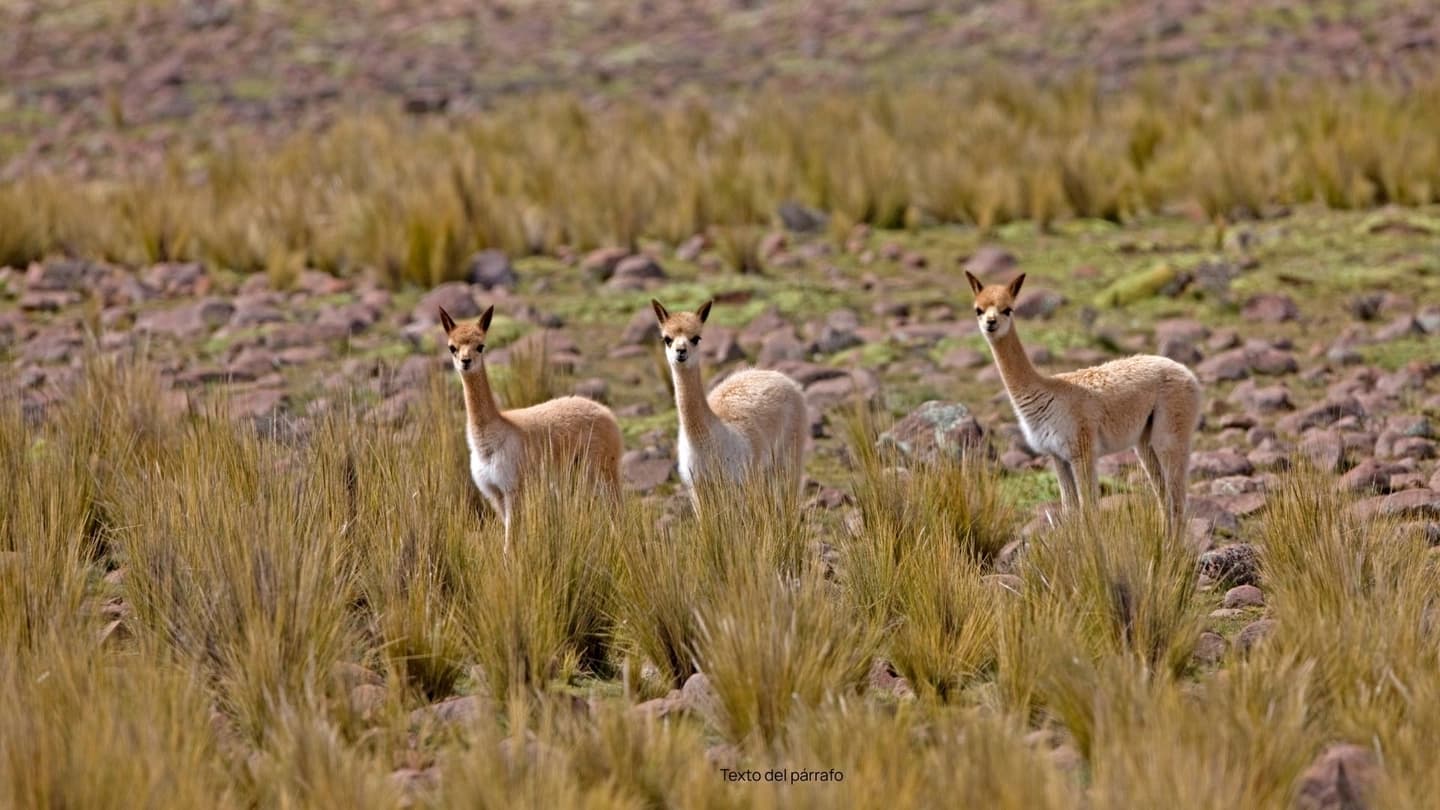
La época ideal para visitar Nazca y garantizar la mejor experiencia, especialmente para sobrevolar las enigmáticas Líneas, es entre los meses de mayo y octubre. Este periodo corresponde a la temporada seca en el desierto, lo que se traduce en cielos más despejados y menor nubosidad, condiciones perfectas para los tours aéreos y cualquier actividad de exploración arqueológica al aire libre. Si bien la temporada alta de turismo en Perú generalmente incluye de diciembre a marzo, cuando las temperaturas son más altas (incluso superando los 30°C), los meses de mayo a octubre ofrecen la mejor visibilidad y un clima templado más agradable, aunque fuera de la temporada seca (diciembre a marzo) puede haber mayor afluencia y temperaturas más elevadas.

Weather

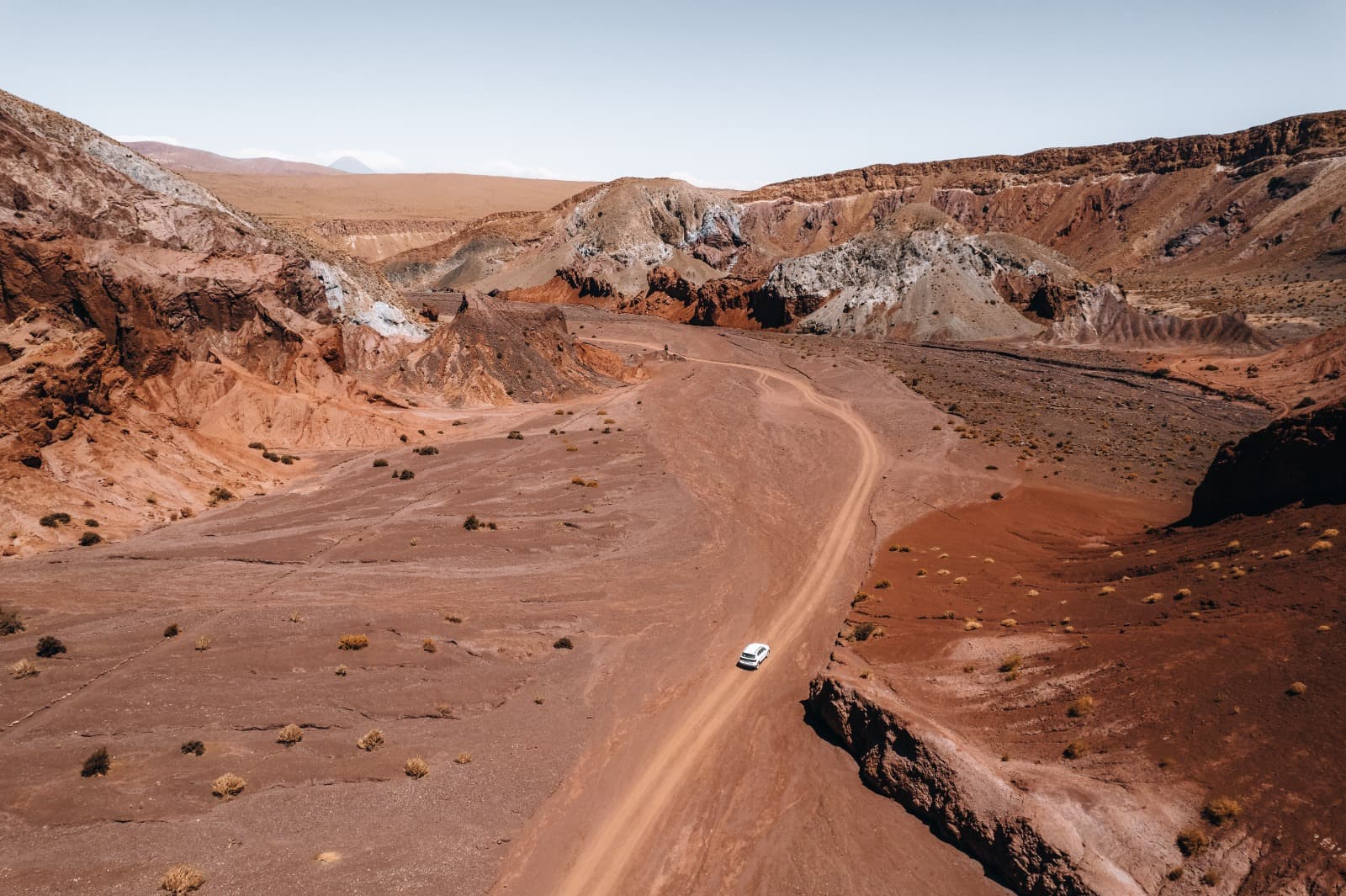
Nazca posee un clima desértico cálido, seco y muy soleado durante todo el año, con escasas precipitaciones. Las temperaturas promedio generalmente oscilan entre 18 °C y 30 °C. Los meses más cálidos son de diciembre a marzo, cuando las temperaturas máximas pueden alcanzar y superar los 30 °C, mientras que las temperaturas mínimas se registran típicamente en los meses de invierno (junio a agosto), descendiendo hasta aproximadamente 10 °C o 12 °C durante la noche.
Frequently asked questions

What should I do or see on my first visit to Nazca?
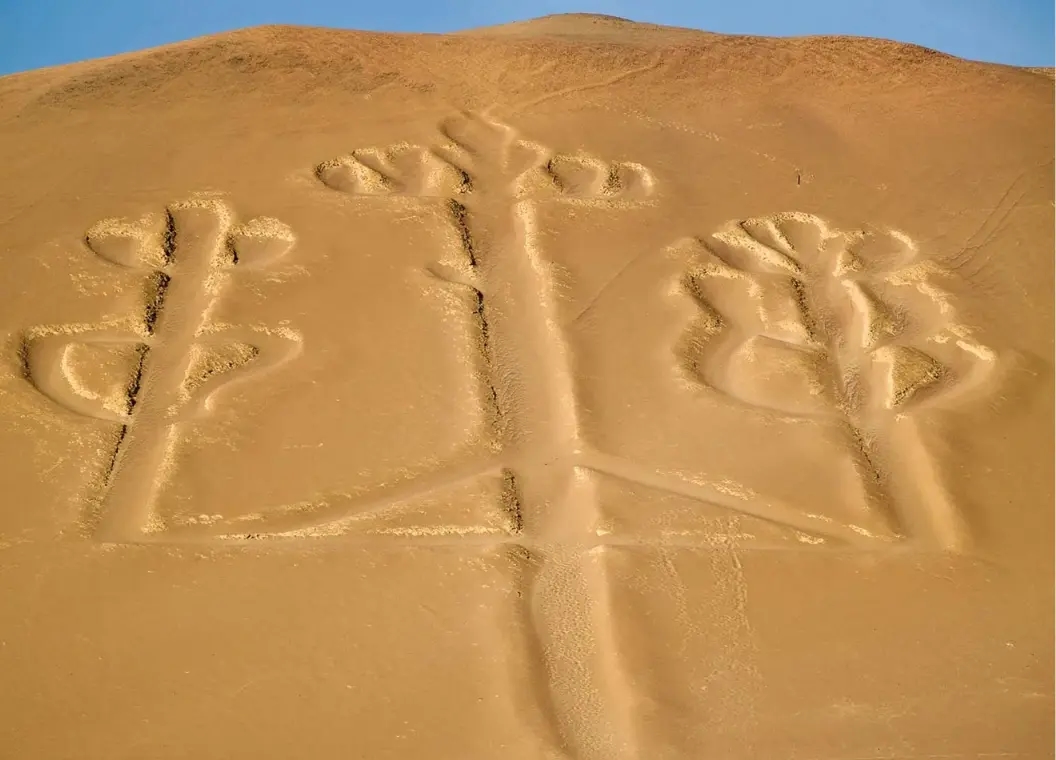
According to tourists who visited Nazca, the must-do activities on a first visit are: 1. See the Nazca Lines, enigmatic large geoglyphs representing figures of animals, plants, and geometric shapes, declared a UNESCO World Heritage Site. They can be appreciated by plane, from the Mirador Tower, or from ground viewpoints. Some figures are hundreds of meters long. 2. Take a Flight over the Nazca Lines, the best way to appreciate the magnitude and detail of the geoglyphs from the air. It offers a unique and unparalleled perspective of the figures. Access is by plane from María Reiche Airport. A 35-minute flight without a central row is recommended for better visibility. 3. Visit the Maria Reiche Planetarium, a center that explains the history and mysteries of the Nazca Lines, with astronomical observations. It helps to understand the context and theories behind the geoglyphs before seeing them. It includes explanations about stars and constellations with a telescope. 4. Explore the Cantalloc Aqueducts, ancient underground hydraulic engineering systems used by the Nazca culture. They demonstrate the advanced technology of the Nazca civilization for obtaining water in the desert. These are functioning underground channels that can be visited as part of tours or independently. The suggested itinerary is: spend the morning on a flight over the Nazca Lines and visit the Maria Reiche Planetarium to understand their context. In the afternoon, explore the Cantalloc Aqueducts. Travel tips include: the best time to fly over the Nazca Lines is between 7:00 AM and 10:00 AM for better light and less haze; book the flight in advance, especially during peak season; consider the Mirador Tower if you don’t want to fly or have a limited budget.
What are the best activities to do in Nazca?
The top-rated activities by tourists in Nazca are: 1. Flight over the Nazca Lines: the best way to appreciate the magnitude and detail of the geoglyphs from the air, offering a unique and unparalleled perspective of the figures. Access is by plane from María Reiche Airport. A 35-minute flight without a central row is recommended for better visibility. 2. Visit to the Nazca Lines: enigmatic large geoglyphs representing figures of animals, plants, and geometric shapes, declared a UNESCO World Heritage Site. They can be appreciated by plane, from the Mirador Tower, or from ground viewpoints. Some figures are hundreds of meters long. 3. Exploration of the Cantalloc Aqueducts: ancient underground hydraulic engineering systems used by the Nazca culture, demonstrating their advanced technology for obtaining water in the desert. These are functioning underground channels. 4. Understanding the context at the Maria Reiche Planetarium: a center that explains the history and mysteries of the Nazca Lines, with astronomical observations. It helps to understand the context and theories behind the geoglyphs. It includes explanations about stars and constellations with a telescope.
What day trips can be taken from Nazca?
From Nazca, the following day trips can be made: 1. Visit to the Palpa geoglyphs: located 50 km north of Nazca, with older and different figures than those of Nazca. The travel time is approximately 1 hour. 2. Tour to Cahuachi: the ancient capital of the Nazca culture, an impressive ceremonial and administrative center. It is about 30 km from Nazca, and the trip takes around 45 minutes. 3. Exploration of the Chauchilla geoglyphs: a pre-Columbian cemetery with mummies and remnants of the Nazca culture. It is located about 30 km southwest of Nazca, with a travel time of approximately 40 minutes. 4. Visit to the Cantalloc Aqueducts: ancient underground hydraulic engineering systems that demonstrate the advanced technology of the Nazca civilization for obtaining water in the desert. They are located about 5 km from Nazca, with a travel time of 15 minutes.
How many days are recommended to visit Nazca?
To visit the main attractions of Nazca, it is recommended to spend between 1 and 2 days. With 1 day, it is possible to take a flight over the Nazca Lines and visit the Maria Reiche Planetarium. If you have 2 days, you can add a visit to the Cantalloc Aqueducts and explore other nearby archaeological sites like Cahuachi or the Palpa geoglyphs.
What is the best time to visit Nazca in terms of prices and weather?
Nazca is located in a desert region with an arid and mild climate year-round. Average temperatures range from 15°C to 25°C. The high season, with the highest influx of tourists, is usually during July and August, coinciding with school vacations in Peru. Accommodation and tour prices may be slightly higher during this time. The low season, with fewer visitors and more affordable prices, is from March to June and from September to November.
Is it expensive to travel to Nazca?
Nazca offers options for different budgets. Reference costs are: hostel accommodation starting at S/ 50 (approximately $14 USD) per person; mid-range hotels starting at S/ 150–S/ 300 (approximately $40–$80 USD) per night; budget lunch (menu) between S/ 15 and S/ 25 (approximately $4–$7 USD). The flight over the Nazca Lines is the main expense, with prices ranging from S/ 250 to S/ 400 (approximately $68–$108 USD) per person, depending on the company and flight duration. A 2-day trip with mid-range accommodation, meals, and the main flight costs around $150–$250 USD per person.
What budget-friendly tours can be done in Nazca?
The Cantalloc Aqueducts and ground viewpoints to observe the Nazca Lines do not have a high entrance fee.