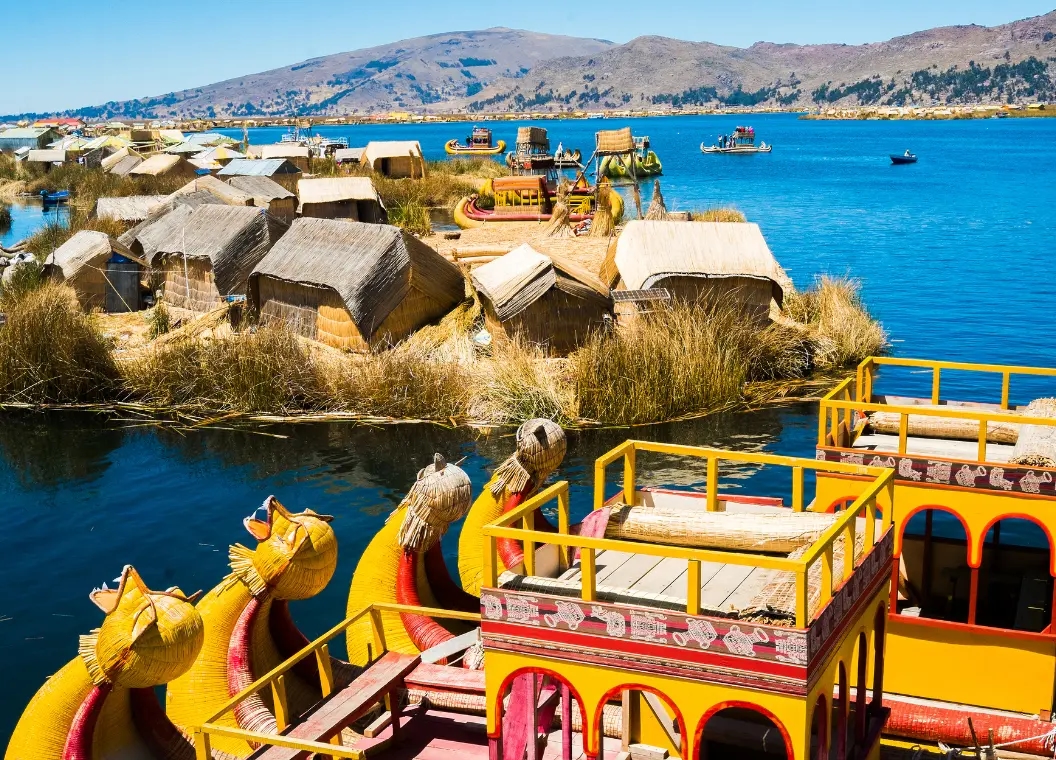
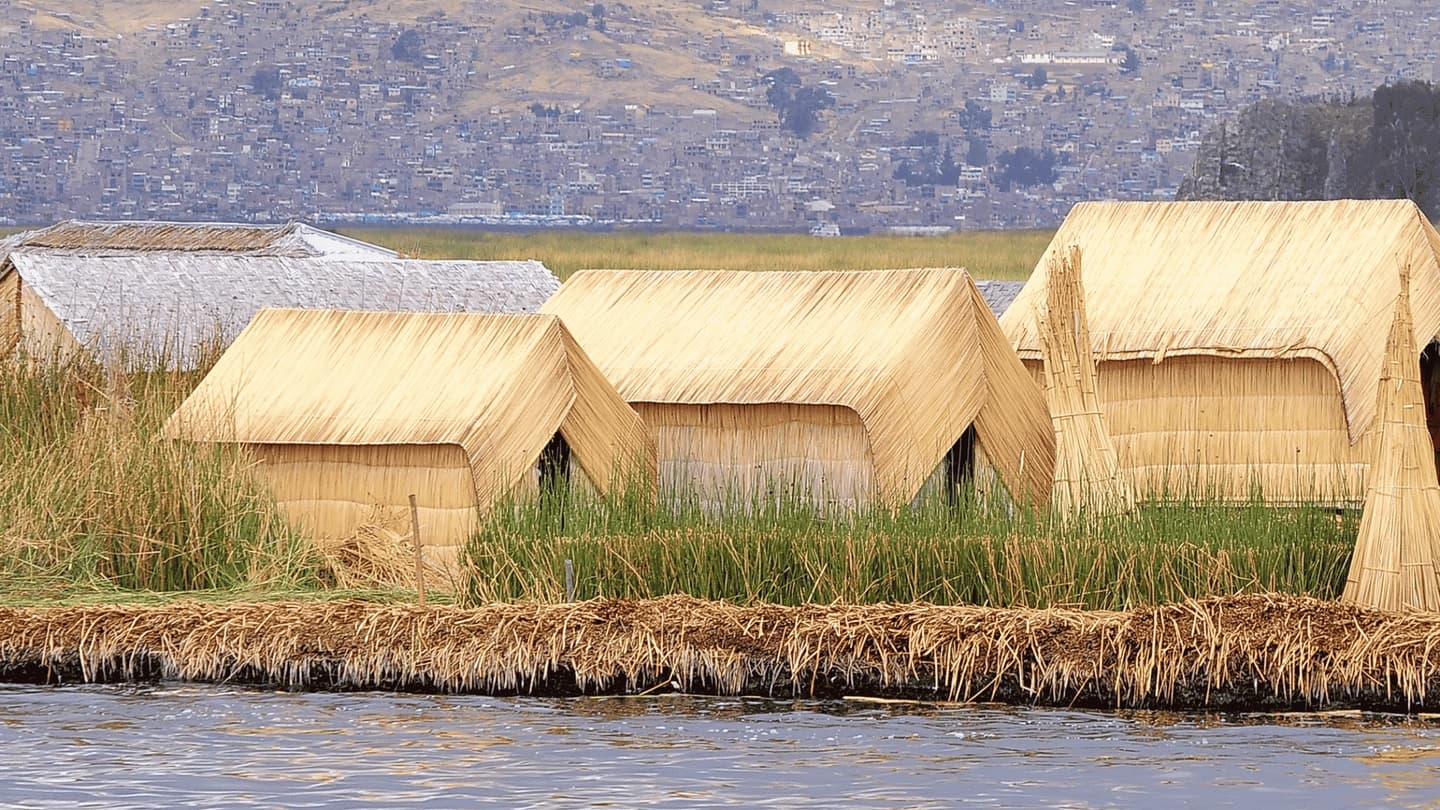
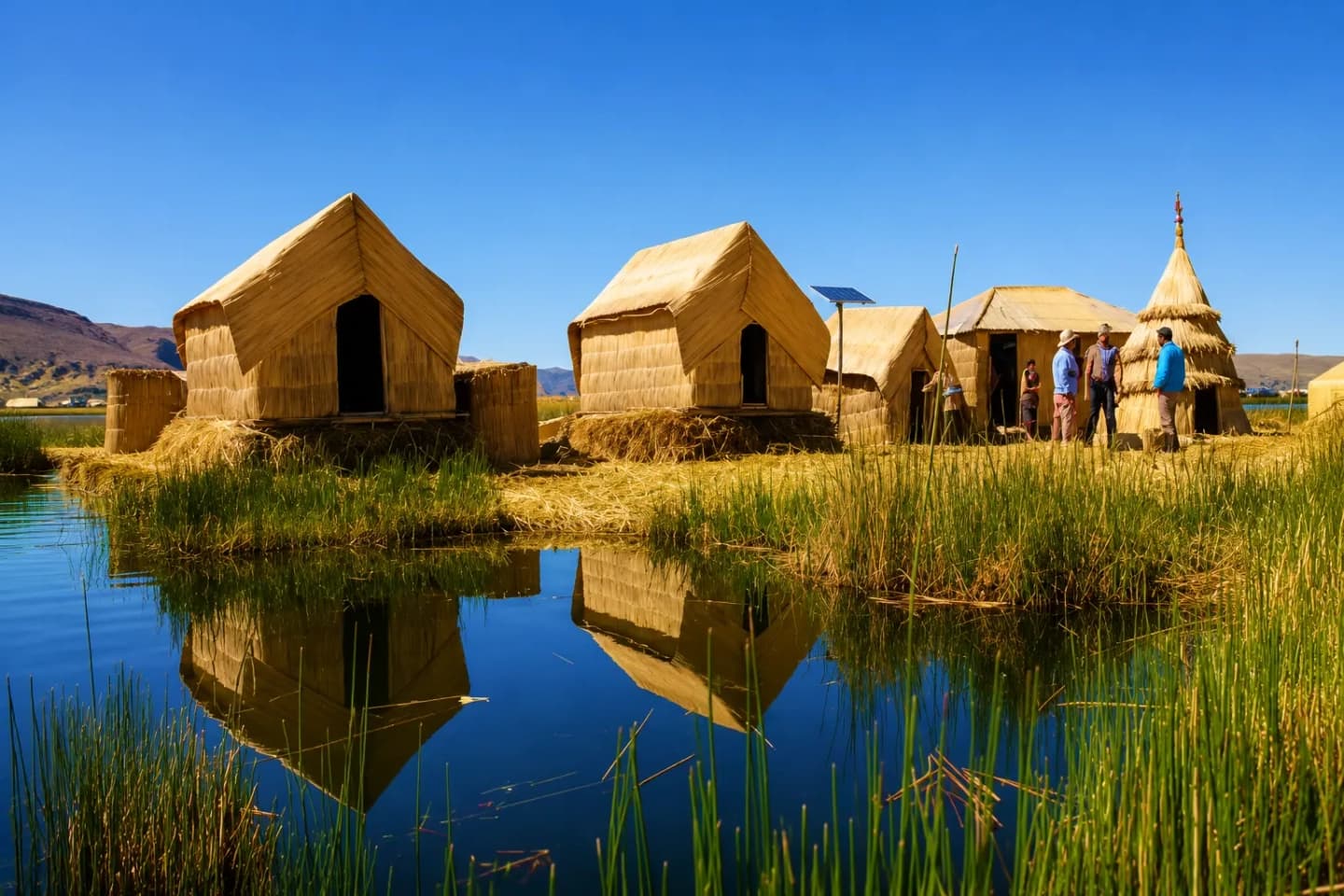
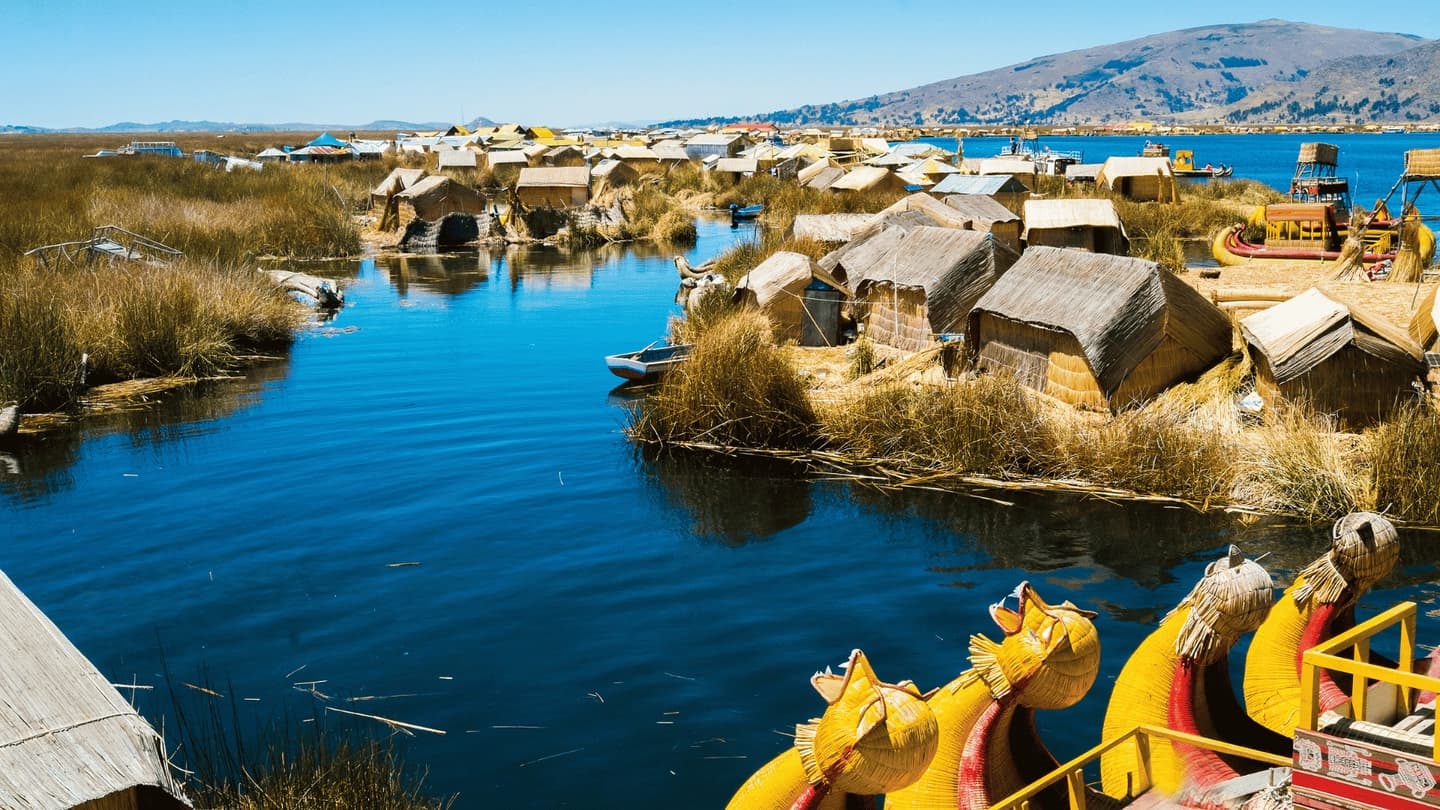
According to tourists who visited Puno, the must-do activities on a first visit are: 1. Visit Lake Titicaca, the highest navigable lake in the world, accessible by boat from the port of Puno. 2. Explore the Floating Islands of the Uros, artificial islands entirely made of totora, inhabited by Quechua and Aymara families. 3. Discover Taquile Island, known for its high-quality textiles and recognized by UNESCO, accessible by boat from Puno. 4. Stroll through the Plaza de Armas of Puno, the heart of the city, surrounded by important historical buildings. 5. Admire the Cathedral of Puno, an imposing cathedral in mestizo Baroque style located in the Plaza de Armas.
The top-rated activities by tourists in Puno are: 1. Sail on Lake Titicaca, the highest navigable lake in the world, enjoying its landscapes and the life on its islands. 2. Visit the Uros Islands, floating islands made of totora, and learn about the way of life of their inhabitants. 3. Explore Taquile Island, discovering textile traditions and community life on this UNESCO-recognized island. 4. Visit the Carlos Dreyer Museum, which exhibits pre-Columbian, colonial, and republican art, as well as folk art. 5. Learn about the Customs Museum, which showcases the history and traditions of the Puno region.
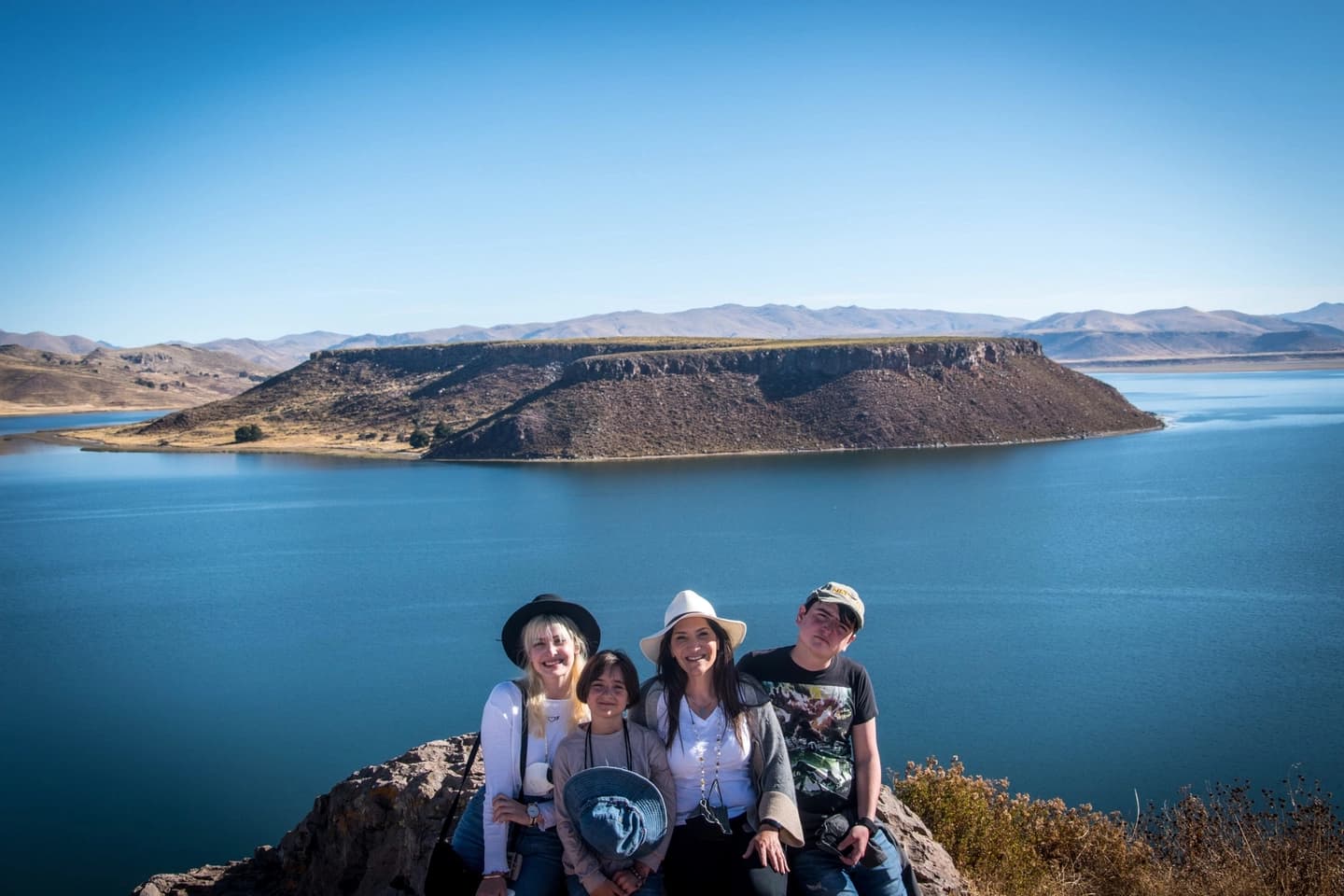
From Puno, the following day trips can be made: 1. Floating Islands of the Uros and Taquile: Approx. 1-2 hours to Uros, 3-4 hours to Taquile. Offers artificial totora islands, the life of the Uros communities, textiles, and Taquile culture. Accessible by boat or tourist launch from Puno. 2. Chullpas of Sillustani: Approx. 1 hour by car/bus. These are pre-Inca funerary towers overlooking Lake Umayo. Accessible via organized tour or private taxi/bus. 3. Amantaní Island: Approx. 3-4 hours by boat. Offers pre-Inca temples, panoramic views, and interaction with local communities, providing a deeper experiential tourism experience. Accessible by tourist boat from Puno. 4. Pucará: Approx. 2 hours by bus. Features archaeological ruins of the Pucará culture and the Lithic Museum. Accessible by bus or organized tour.
To visit the main attractions of Puno, it is recommended to spend between 2 and 3 days. With 2 days, it is possible to visit the main attractions such as Lake Titicaca (Uros and Taquile) and get a first impression of the city. With 3 days, you can add excursions to archaeological sites or enjoy a more relaxed pace. The suggested itinerary is: Day 1: Arrival, acclimatization, and city tour. Day 2: Lake Titicaca (Uros + Taquile). Day 3 (optional): Viewpoints, gastronomy, or cultural route (e.g., Sillustani). Factors to consider include altitude and the need for acclimatization, the distance to the islands and navigation time, interest in exploring nearby archaeological sites, and the desired travel pace.
The high season is from June to August, with dry weather, sunny days, and cold nights (minimum temperature 0°C, maximum 18°C). This is the time with the highest prices and the greatest influx of tourists, although it offers ideal weather for excursions and navigation. The low season is from December to March, with the rainy season, greener landscapes but intermittent rainfall (minimum temperature 5°C, maximum 15°C). This is the time with medium-low prices and fewer tourists, but the rains can affect excursions. The ideal season is May, September, and October, with temperatures between 2°C and 17°C, offering a good balance between pleasant weather and lower tourist influx, with potentially more moderate prices.
Puno has a moderate cost level. The estimated daily budget is: backpacker between $30 and $50 USD (includes basic accommodation, inexpensive local food, public transportation, and shared tours); mid-range between $60 and $100 USD (includes comfortable accommodation, meals at local restaurants, shared tours, and some entrance fees); and comfort between $120 and $200 USD (includes good-level accommodation, meals at various restaurants, private or semi-private tours, and all entrance fees). Reference costs are: average meal in a restaurant between $11 and $19 USD; inexpensive meal between $4 and $7 USD; public transportation between $0 and $1 USD for a short trip; average entrance fee to attractions between $5 and $15 USD per island or attraction.