Río Hurtado: astrotourism, fossils, and nature
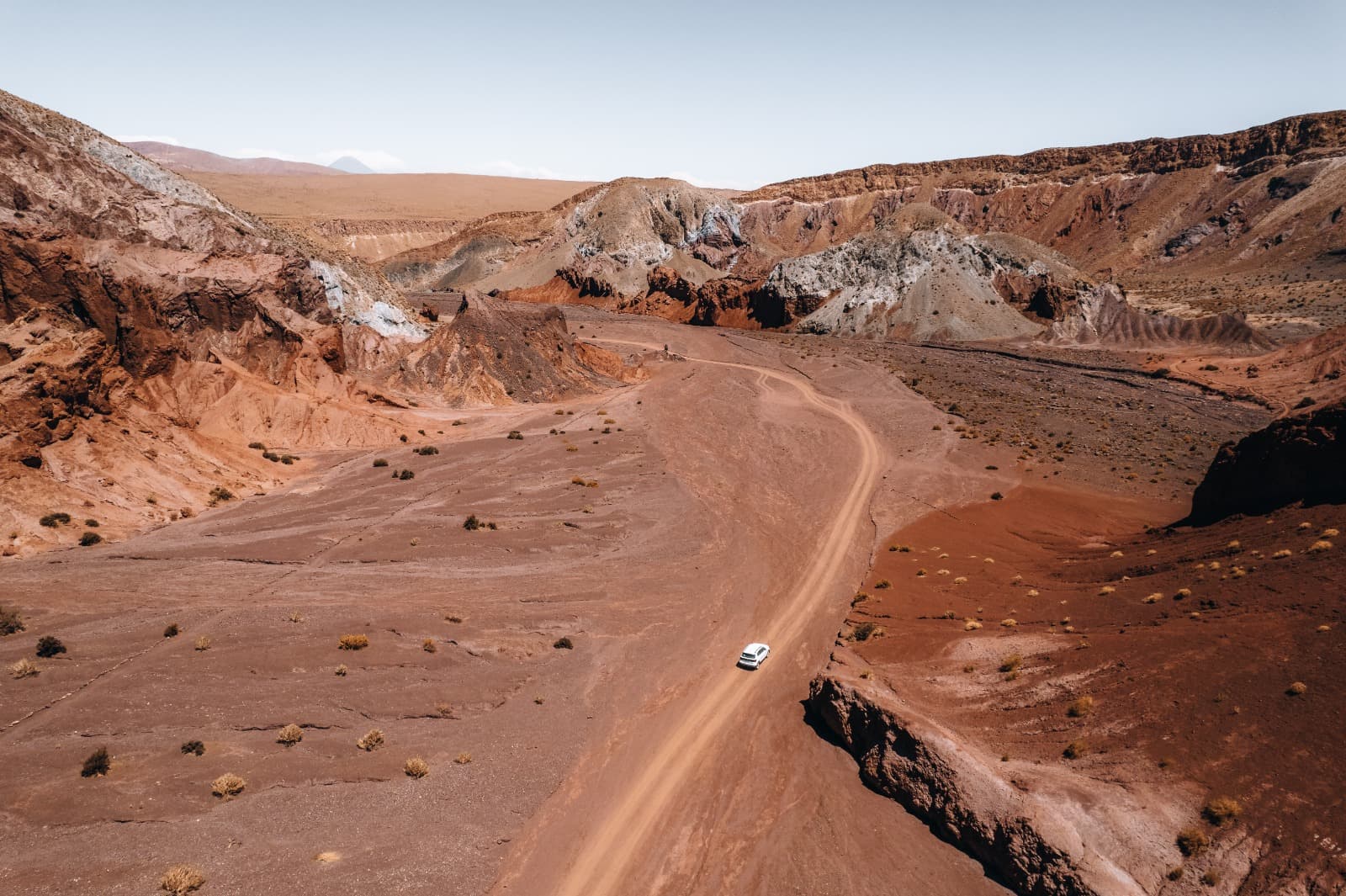
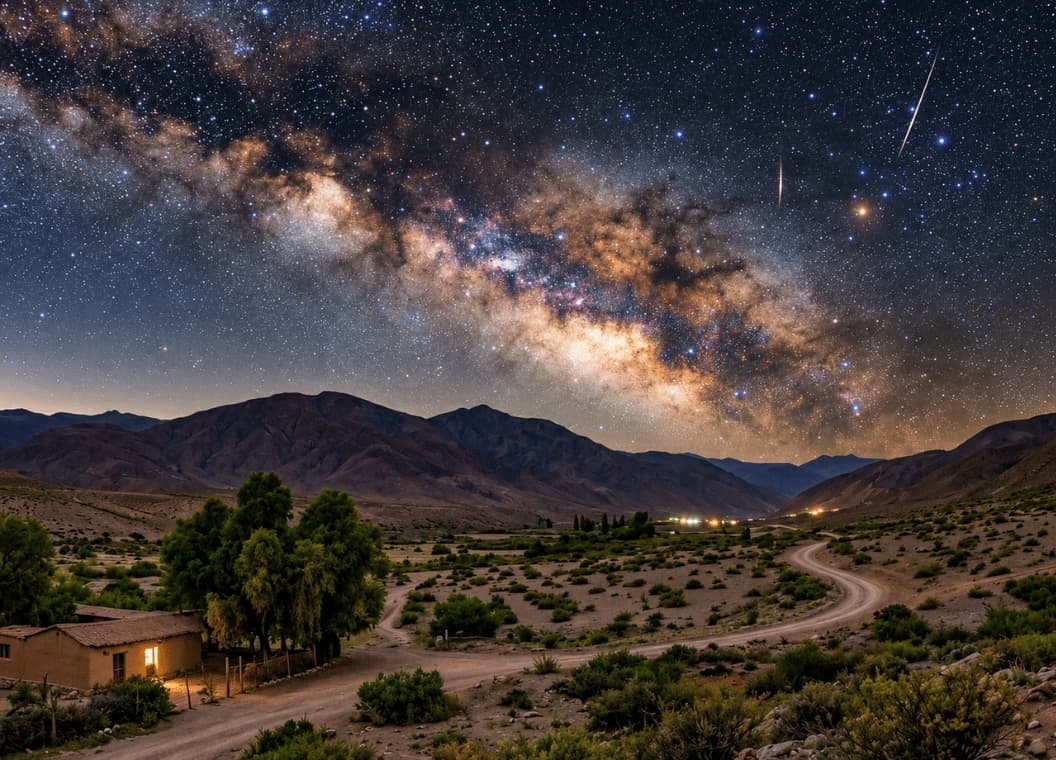
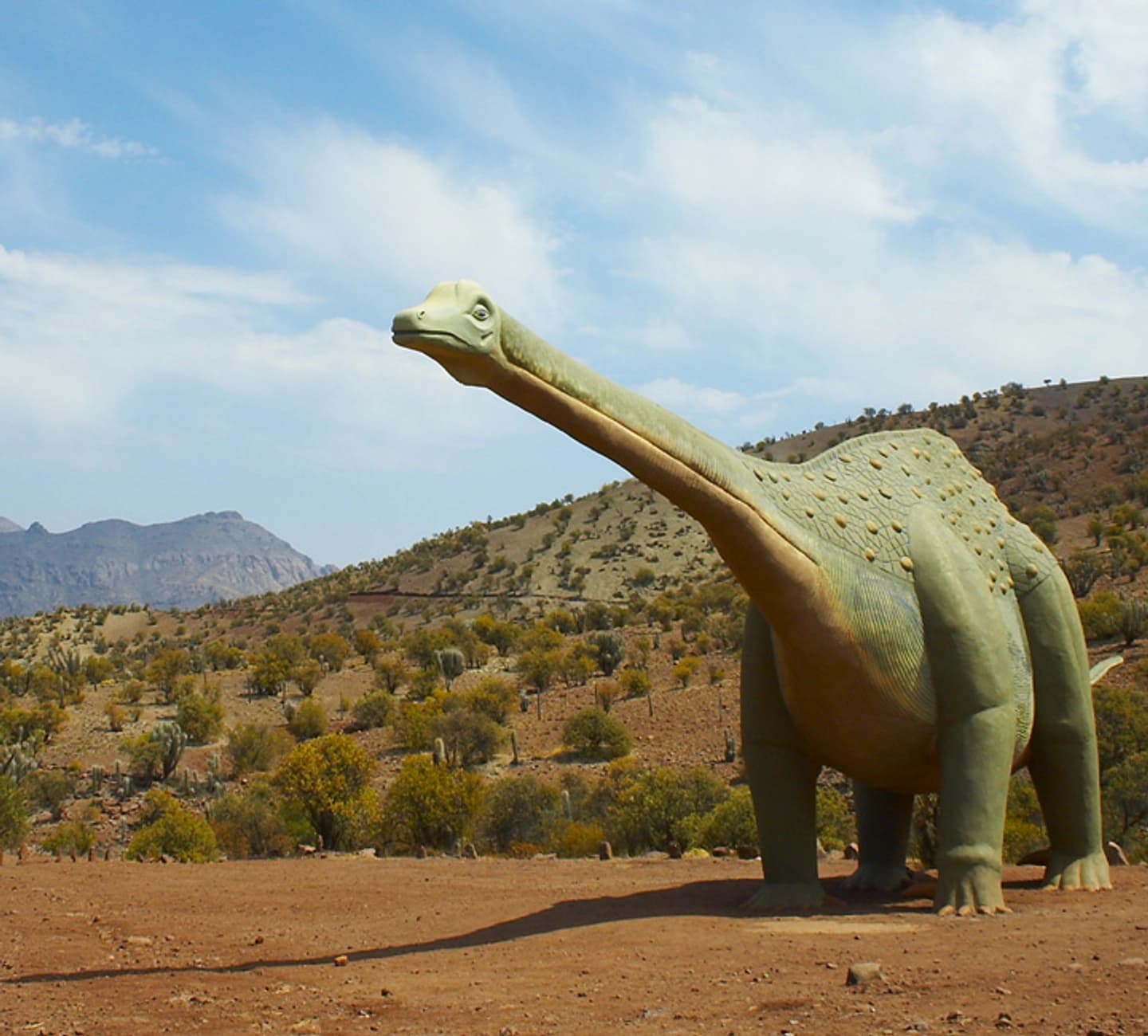
Río Hurtado is a rural commune located in the Limarí province, in the Coquimbo Region of Chile, between the Elqui and Limarí valleys. This pre-Andean destination stands out for its semi-arid landscapes, clear skies, and valuable paleontological and archaeological heritage. Along the valley, the Hurtado River gives life to small towns, orchards, and communities that preserve rural, goat farming, and artisanal traditions. Among its main attractions are fossil remains of dinosaurs and evidence of ancient pre-Hispanic cultures, which allow visitors to connect with the natural and human history of the territory. The low light pollution in some areas also makes Río Hurtado an attractive place for star observation and astrotourism experiences. Its rural roads, mountainous landscapes, and traditional cuisine offer an alternative for those seeking tranquility, nature, and cultural experiences in Chile's Norte Chico.
Activities and tours in Río Hurtado

The best time to visit Río Hurtado is from September to April, during spring, summer, and early autumn. In these months, sunny days and pleasant temperatures prevail, ideal for exploring the valley's villages, enjoying hikes, and discovering its natural and heritage attractions. Clear nights can also offer good conditions for astronomical observation, especially in areas far from artificial lighting. During summer, daytime temperatures can be high, while nights tend to remain cool. For outdoor activities, it is recommended to bring sun protection, enough water, and warm clothing for nighttime outings.
Río Hurtado has a semi-arid pre-Andean climate, characterized by abundant solar radiation, generally scarce precipitation, and a marked temperature difference between day and night. Temperatures usually range between 10 °C and 28 °C, although they can vary depending on the season and altitude. Warm and sunny days prevail during spring and summer, while mornings and nights can be cool, especially in elevated areas. In winter, temperatures drop and precipitation may occur. When exploring the valley, it is recommended to wear comfortable clothing, appropriate footwear, sun protection, and a jacket for temperature changes.