Qué hacer en Vicuña
Descubre Vicuña, el corazón del mágico Valle del Elqui, famoso mundialmente por sus cielos increíblemente despejados y sus observatorios astronómicos. Sumérgete en la ruta del Pisco, explora la historia de Gabriela Mistral y disfruta de un microclima ideal. Visita Vicuña para una experiencia única de conexión estelar y relajación andina.



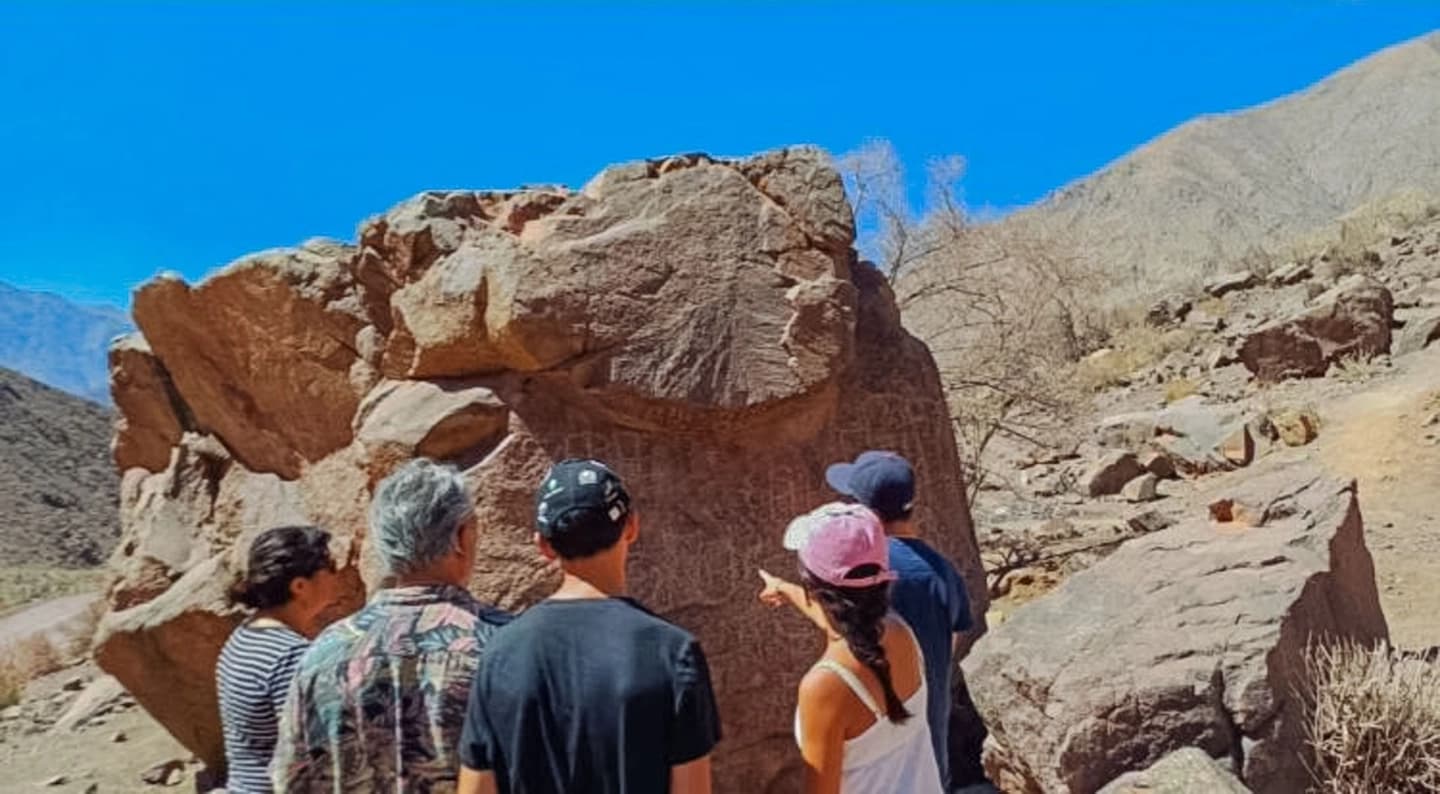
La mejor época para viajar a Vicuña y disfrutar plenamente del Valle del Elqui es durante el verano austral, específicamente de diciembre a marzo. Estos meses ofrecen el clima más cálido y seco, con cielos casi totalmente despejados, lo que es perfecto para el turismo astronómico en sus observatorios de clase mundial, así como para recorrer la Ruta del Pisco y realizar senderismo por los paisajes andinos. Es importante saber que este período coincide con la temporada alta, especialmente en enero y febrero, por lo que es recomendable reservar alojamiento y tours con antelación debido a la mayor afluencia de visitantes.
Vicuña goza de un clima desértico con influencia mediterránea, caracterizado por cielos despejados y una marcada amplitud térmica; su temperatura promedio anual es de aproximadamente 18 °C. Los veranos son calurosos y secos, con máximas que frecuentemente superan los 30 °C, alcanzando picos alrededor de 35 °C en enero y febrero. Los inviernos son suaves y secos; las temperaturas mínimas ocurren en julio, con promedios que oscilan entre 5 °C y 8 °C, aunque ocasionalmente pueden acercarse a 0 °C.
Frequently asked questions
According to tourists who visited Vicuña, the must-do activities on a first visit are:
- Cerro Mamalluca Observatory: Ideal for stargazing, located at 1,100 meters above sea level (access by 4x4 or tour).
- Gabriela Mistral Museum: Dedicated to the life and work of the poetess, at her birthplace (access on foot).
- Capel Tourist Center and Pisco Museum: To learn about the tradition of Chilean pisco and taste it (access by vehicle or tour).
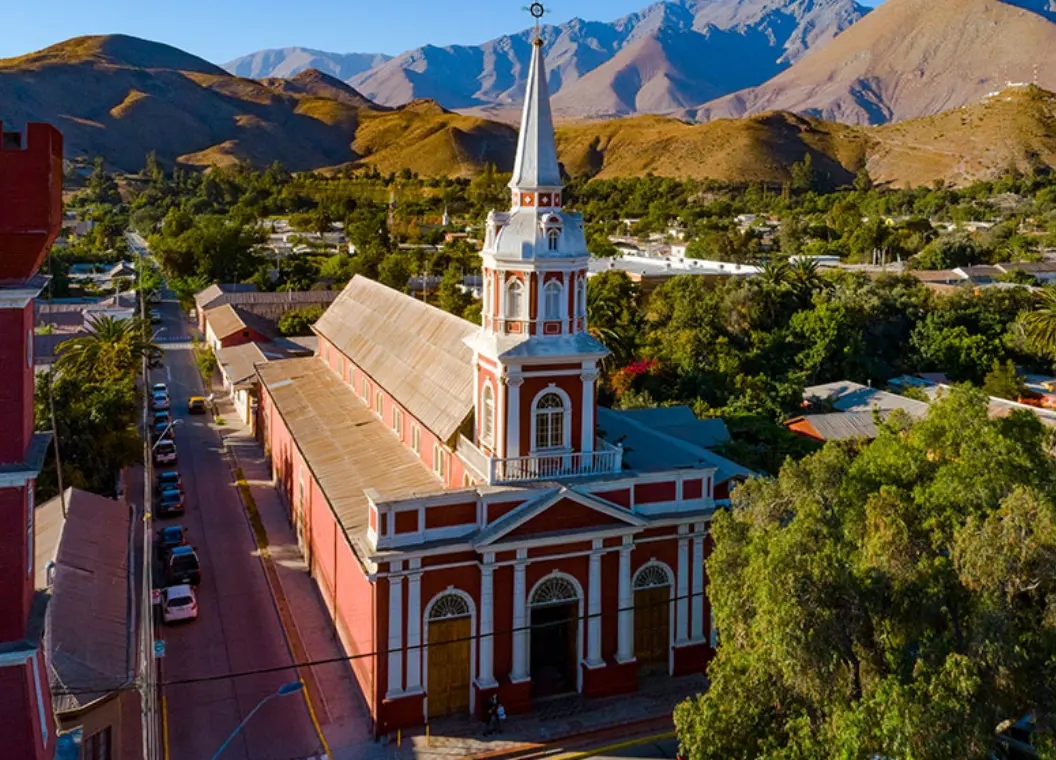
- Immaculate Conception Temple: A historic church with Gabriela Mistral's baptismal font (access on foot).
- Puclaro Reservoir: Offers spectacular landscapes and is ideal for water sports (access by vehicle or tour).
The highest-rated activities by tourists in Vicuña are:
- Astronomical observation: Enjoy the clear skies, one of the best places in the world to see stars (Cerro Mamalluca Observatory, Starlight certified, 2-3 hours).
- Pisco Route: Visit pisco distilleries like Capel, learn about its production, and taste it (half a day).
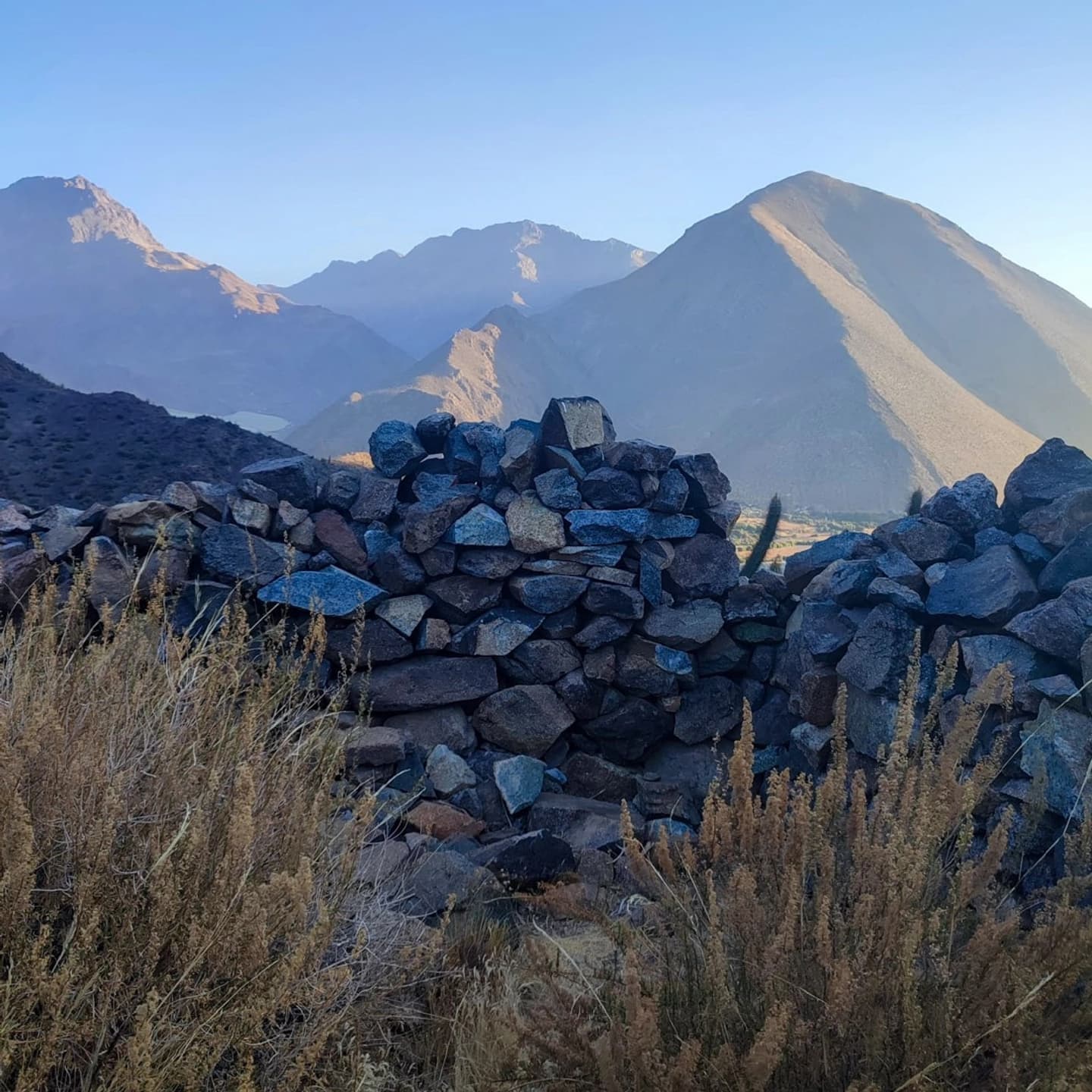
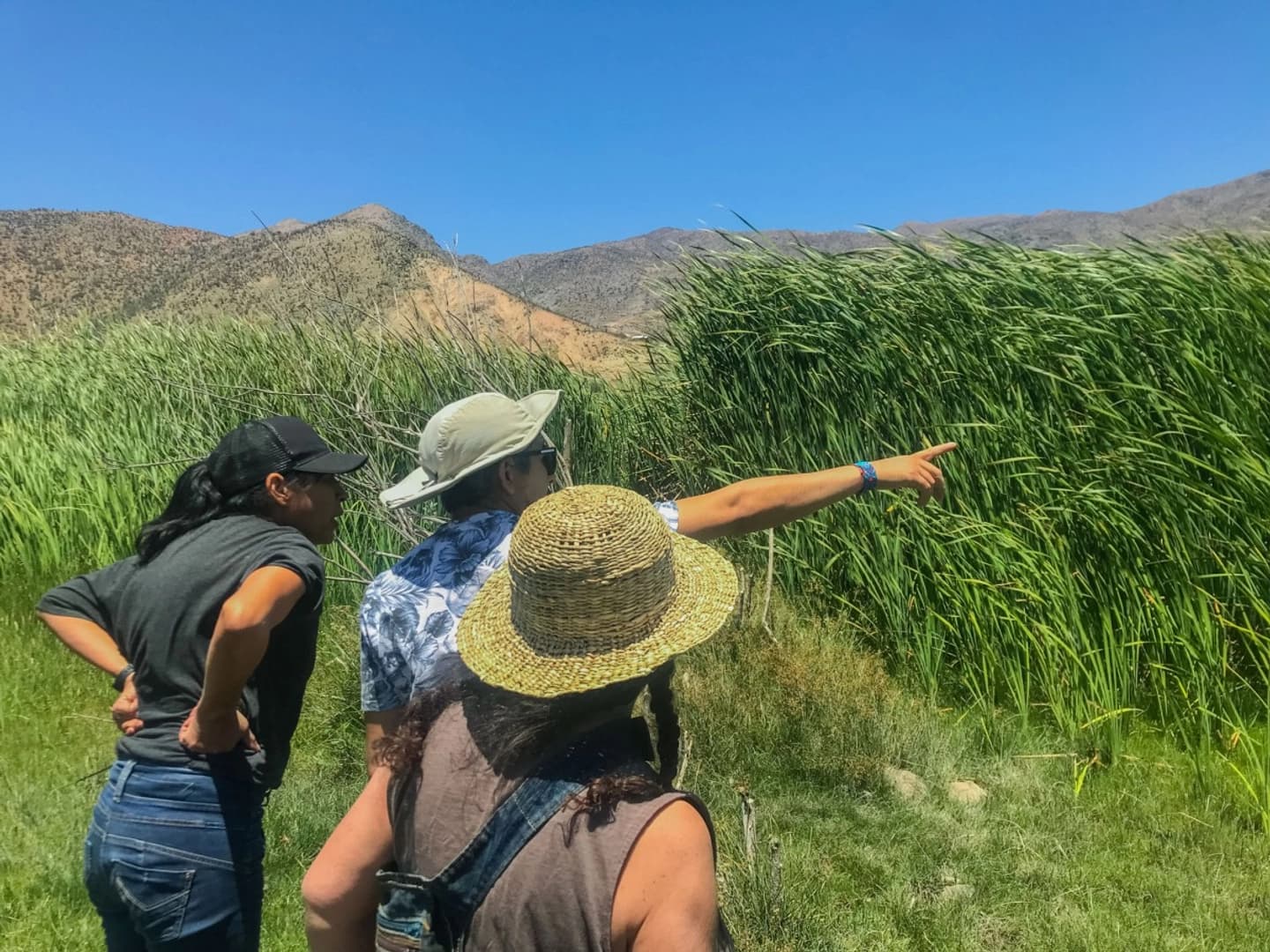
- Hiking in the Elqui Valley: Explore Andean landscapes and native vegetation (routes like Quebrada de Paihuano, duration varies).
- Explore the Bauer Tower: Visit this iconic tower built in 1905 (30 minutes).
From Vicuña, you can take the following day trips:
- El Molle: Less than 30 minutes by car, to see remnants of the El Molle culture and local cuisine.
- Gualliguaica and Puclaro Reservoir: Less than 30 minutes by car, ideal for water sports and landscapes.
- Cerro Tololo Observatory: Approximately 1 hour by car (mountain route), one of the most important observatories in the world.
- San Carlos: Less than 30 minutes by car, a center for producing papaya derivatives and local wines.
It is recommended to spend 2 days to see key points like the Gabriela Mistral Museum, an observatory, and the Pisco Route. Three days provide a more complete experience, including visits to nearby towns and outdoor activities. Four days allow for a thorough exploration of the Elqui Valley and its surroundings at a relaxed pace. The ideal duration depends on the spread of attractions, interest in specific activities like astrotourism or hiking, and the desired travel pace.
The high season is from December to March, with warm and dry weather (15°C-30°C), ideal for astronomy, but with high prices. The low season, from April to November, offers medium-low prices (20-40% cheaper) and fewer tourists, although the weather is cooler (5°C-20°C) and there may be cloudiness. The months of April, May, October, and November are ideal, with pleasant temperatures (10°C-25°C) and moderate prices, offering a good balance between weather and cost.
Vicuña has a moderate cost. An estimated daily budget is: backpacker (USD 30-50), mid-range (USD 70-120), and comfort (USD 150-250). Price references: average meal in a restaurant (USD 16-26), budget meal (USD 5-11); local transportation (USD 1-3); astronomical tours/museums (USD 10-20); budget accommodation (USD 26-47) and mid-range (USD 63-126) per night. A 5-day trip with mid-range accommodation, varied meals, and 2-3 main tours costs between USD 350-600.
You can visit Cerro de la Virgen for free to get panoramic views of the valley and walk around the center of Vicuña, admiring its architecture and the Plaza de Armas. For low-cost tours, the Capel Pisco Tour costs approximately CLP 10,000 (USD 10) and includes a tour, explanation, and tasting. The Mamalluca Observatory Astronomical Tour costs CLP 15,000 (USD 15) and includes observation and astronomical explanation. Budget-friendly alternatives include visiting artisanal pisco distilleries or taking self-guided hikes.