Up to 6 interest-free installments with MercadoPago
logo
logo
  • Near me
Qué hacer en Departamento de La Guajira

Qué hacer en Departamento de La Guajira

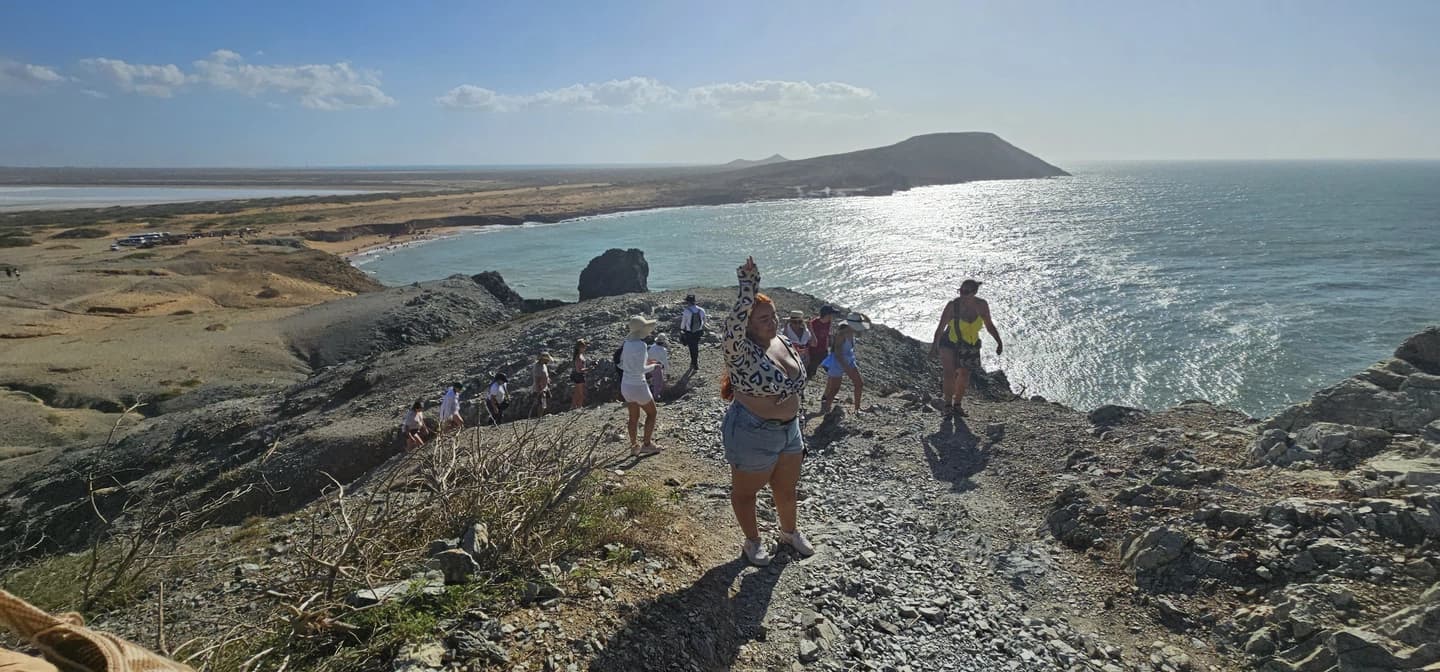
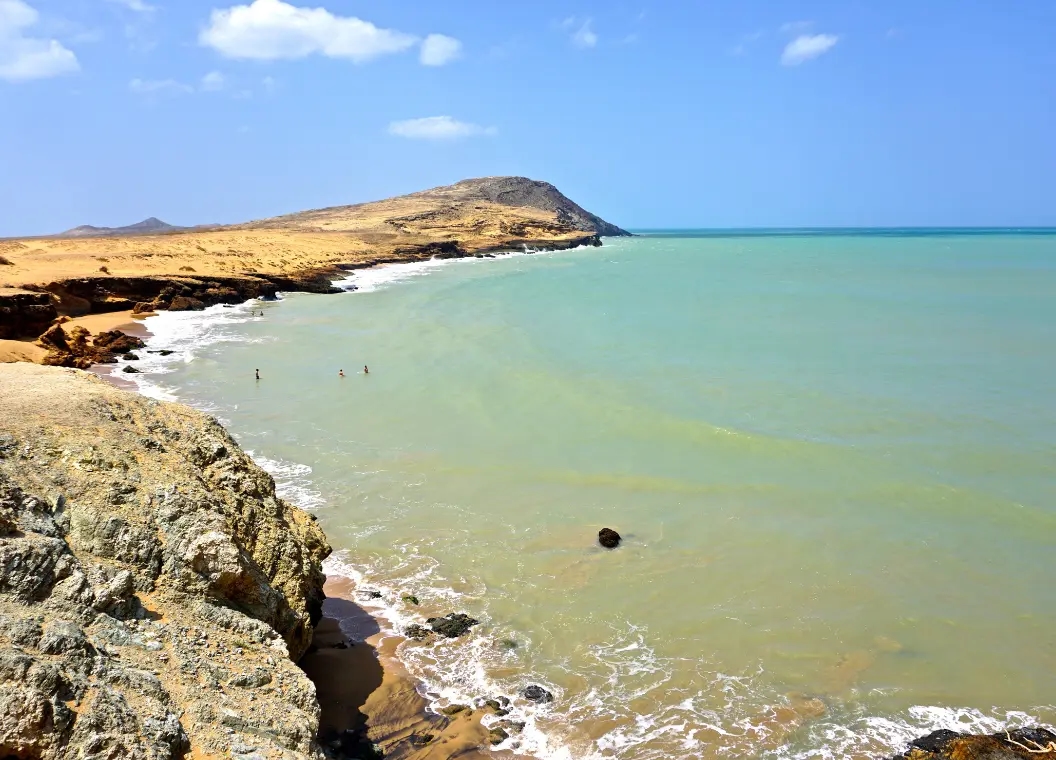
Descubre La Guajira, un destino único donde el desierto se encuentra con el mar Caribe. Desde el Cabo de la Vela hasta Punta Gallinas, maravíllate con paisajes surrealistas como las Dunas de Taroa. Sumérgete en la rica cultura Wayúu, practica deportes acuáticos y vive una aventura épica en el punto más septentrional de Sudamérica.

Best season

La mejor época para visitar el Departamento de La Guajira es durante la temporada seca, que abarca principalmente de diciembre a abril. Estos meses ofrecen el clima más estable, ideal para disfrutar de las playas, explorar el desierto en Cabo de la Vela y Punta Gallinas, y realizar el avistamiento de flamencos, ya que son los meses secos. Es importante tener en cuenta que los meses de diciembre, enero, junio y julio son considerados temporada alta, al igual que Semana Santa, lo que significa una mayor afluencia de turistas y precios más altos. Los meses intermedios como marzo y mayo suelen ofrecer un buen equilibrio entre clima favorable y menos aglomeraciones.

Weather

El clima en el Departamento de La Guajira es predominantemente árido y seco, con altas temperaturas a lo largo del año. La temperatura promedio anual oscila típicamente entre 25°C y 30°C. Las temperaturas máximas son constantes, pero suelen alcanzar su pico entre marzo y agosto, superando frecuentemente los 35°C y llegando a veces hasta los 40°C en la zona peninsular. Las temperaturas mínimas rara vez descienden de los 20°C, ocurriendo estas mínimas más frescas durante la noche, especialmente entre diciembre y enero.
Frequently asked questions

What should I do or see on my first visit to the Department of La Guajira?
According to tourists who visited the Department of La Guajira, the must-see attractions on a first visit are: 1. <a href="https://www.tur.com/en/departamento-de-la-guajira-42/3-dias-cabo-de-la-vela-y-punta-gallinas-desde-palomino-2264" target="_blank" rel="noopener">Cabo de la Vela</a>: An iconic destination where the desert meets the Caribbean Sea, ideal for exploring surreal landscapes. It can be accessed by 4x4 vehicle from Uribia. 2. <a href="https://www.tur.com/en/departamento-de-la-guajira-42/3-dias-cabo-de-la-vela-y-punta-gallinas-desde-palomino-2264" target="_blank" rel="noopener">Punta Gallinas</a>: The northernmost point of South America, featuring stunning landscapes of dunes that reach the sea. It can be accessed by 4x4 vehicle and boat from Bahía Hondita. 3. Wayúu Culture: Immerse yourself in the traditions, crafts, and way of life of the indigenous Wayúu people by visiting local rancherías. 4. Taroa Dunes: Impressive sand dunes that descend to the Caribbean Sea, perfect for sandboarding.
What are the best activities to do in the Department of La Guajira?
The top-rated activities by tourists in the Department of La Guajira are: 1. Explore <a href="https://www.tur.com/en/departamento-de-la-guajira-42/3-dias-cabo-de-la-vela-y-punta-gallinas-desde-palomino-2264" target="_blank" rel="noopener">Cabo de la Vela</a>, an emblematic place with unique desert and marine landscapes. It is recommended to go in a 4x4 vehicle with a local guide. 2. Visit <a href="https://www.tur.com/en/departamento-de-la-guajira-42/3-dias-cabo-de-la-vela-y-punta-gallinas-desde-palomino-2264" target="_blank" rel="noopener">Punta Gallinas</a>, the northern tip of South America, to admire the Taroa Dunes that reach the sea. 3. Immerse yourself in Wayúu Culture by visiting local communities and purchasing their crafts. 4. Enjoy adventure activities like sandboarding at the Taroa Dunes.
What day trips can be taken from the Department of La Guajira?
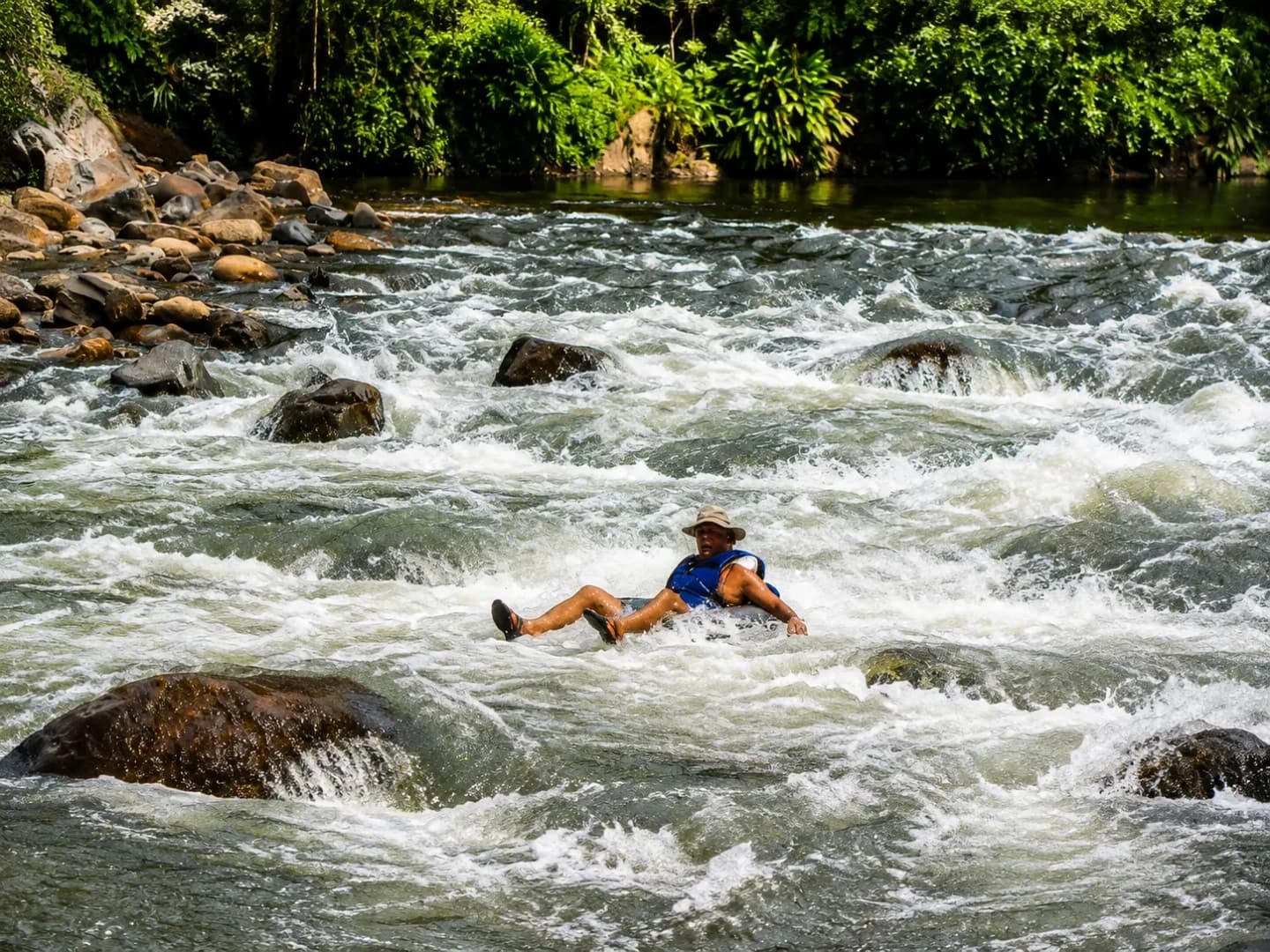
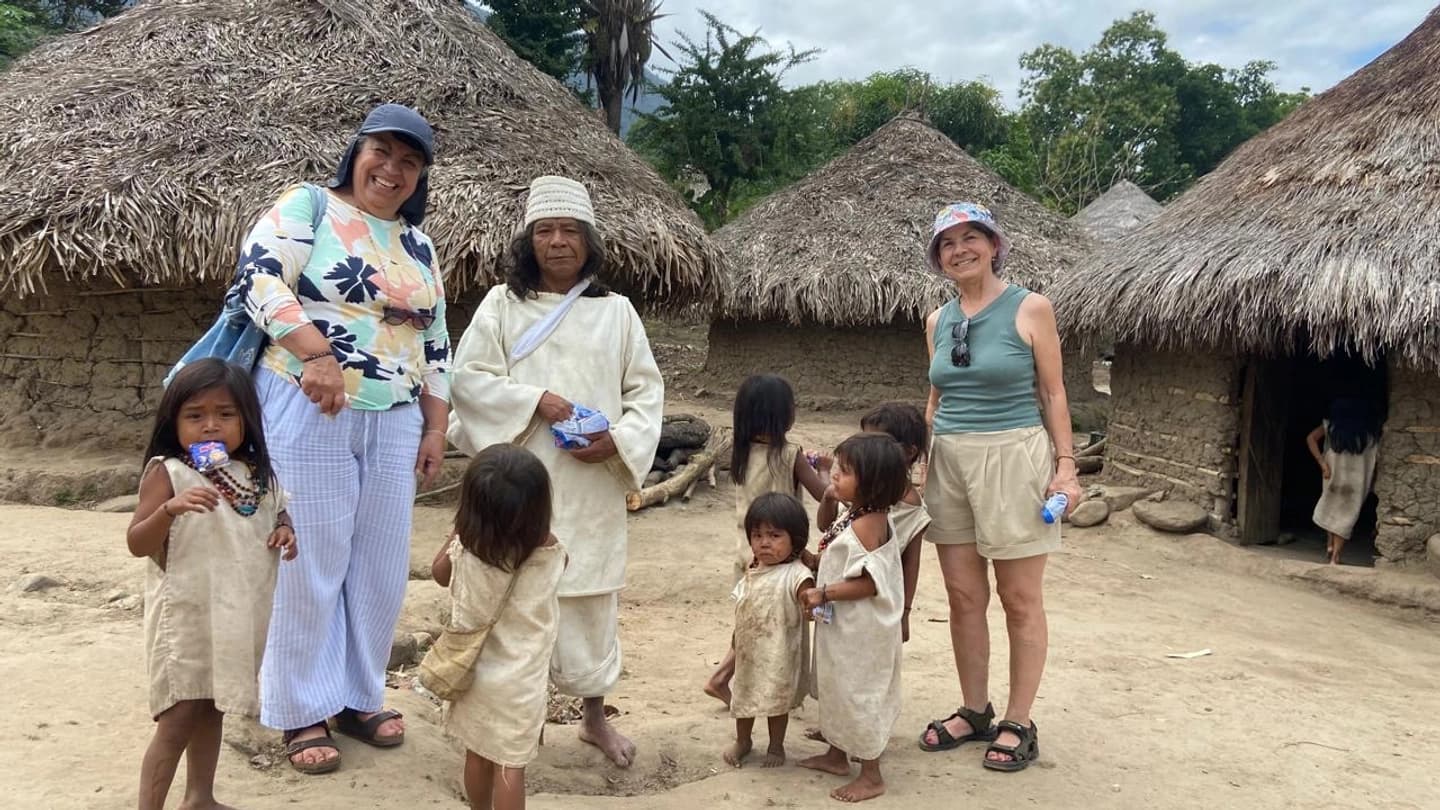
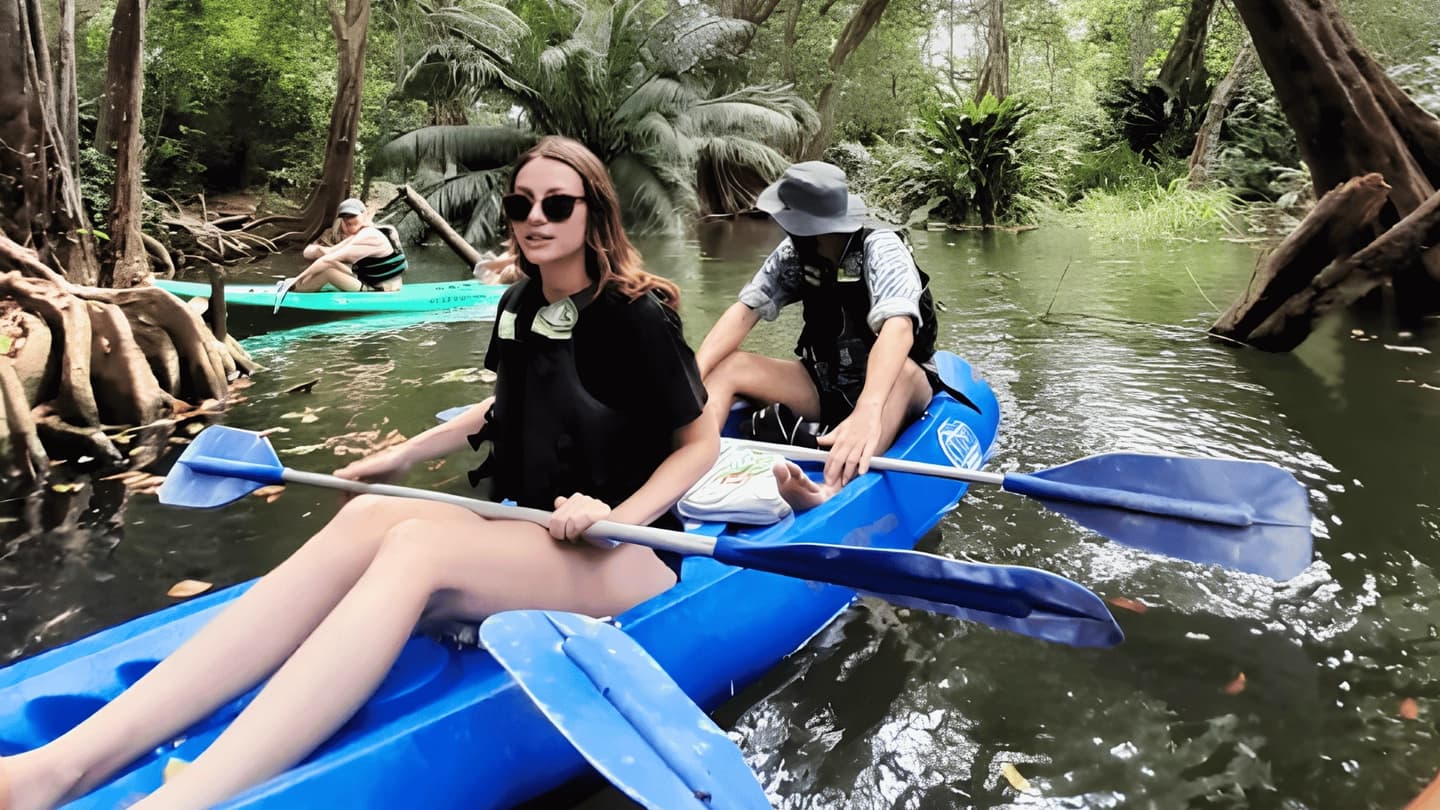
From the Department of La Guajira, the following day trips can be taken: 1. <a href="https://www.tur.com/en/departamento-de-la-guajira-42/3-dias-cabo-de-la-vela-y-punta-gallinas-desde-palomino-2264" target="_blank" rel="noopener">3-Day Tour to Cabo de la Vela and Punta Gallinas from Palomino</a>: An extensive journey through the region's icons. 2. <a href="https://www.tur.com/en/departamento-de-la-guajira-42/tubing-rio-palomino-visita-indigena-ancestral-2262" target="_blank" rel="noopener">Tubing on the Palomino River with Indigenous Visit from Palomino</a>: A recreational and cultural experience on the river. 3. <a href="https://www.tur.com/en/departamento-de-la-guajira-42/tour-parque-tayrona-cabo-san-juan-5416" target="_blank" rel="noopener">Cultural Tour to Tungueka and Kogui Community</a>: To get a close look at the life of indigenous communities. 4. <a href="https://www.tur.com/en/departamento-de-la-guajira-42/tour-kayak-rio-san-salvador-5417" target="_blank" rel="noopener">Kayaking on the San Salvador River</a>: A water activity in a natural setting.
How many days are recommended to visit the Department of La Guajira?
It is recommended to spend between 2 and 3 days to visit the main attractions of the Department of La Guajira. A suggested itinerary includes dedicating time to <a href="https://www.tur.com/en/departamento-de-la-guajira-42/3-dias-cabo-de-la-vela-y-punta-gallinas-desde-palomino-2264" target="_blank" rel="noopener">Cabo de la Vela</a> and <a href="https://www.tur.com/en/departamento-de-la-guajira-42/3-dias-cabo-de-la-vela-y-punta-gallinas-desde-palomino-2264" target="_blank" rel="noopener">Punta Gallinas</a>, with visits to the Taroa Dunes and encounters with Wayúu culture. It is advisable to start the journey from Riohacha to Uribia and continue in a 4x4 vehicle. Having this type of transportation and a local guide is essential, as the routes are not marked and there is no mobile coverage.
What is the best time to visit the Department of La Guajira in terms of weather?
The Department of La Guajira has an arid and hot climate year-round. Average temperatures range from 28°C to 34°C. There is no significant rainy season, allowing for visits to the region at any time. However, the dry season, which generally runs from December to April, may be more pleasant for outdoor activities, although the sun is intense. It is important to wear light clothing, sunscreen, a hat, and stay hydrated constantly.
Is it expensive to travel to the Department of La Guajira?
Travel costs to the Department of La Guajira can vary. The main transportation is usually by bus or plane to Riohacha. To move around the peninsula, renting a 4x4 vehicle with a driver is essential and can cost around 300,000 COP (approximately 75 USD) per day. Accommodation in rancherías or basic eco-hotels can range from 50,000 COP to 150,000 COP (approximately 12-38 USD) per night. Local food is affordable, with main dishes priced between 15,000 COP and 30,000 COP (approximately 4-7 USD).
What budget-friendly tours or free activities can be done in the Department of La Guajira?
Enjoying the beaches and natural landscapes of <a href="https://www.tur.com/en/departamento-de-la-guajira-42/3-dias-cabo-de-la-vela-y-punta-gallinas-desde-palomino-2264" target="_blank" rel="noopener">Cabo de la Vela</a> and <a href="https://www.tur.com/en/departamento-de-la-guajira-42/3-dias-cabo-de-la-vela-y-punta-gallinas-desde-palomino-2264" target="_blank" rel="noopener">Punta Gallinas</a>, although they require specialized transportation, has no entrance fee. Exploring Wayúu culture by visiting communities (it is recommended to bring a small gift or buy crafts) is an enriching and low-cost experience. Walking along the coasts and watching the sunset in places like Mayapo are also free activities. For guided tours, Tur.com highlights: 1. <a href="https://www.tur.com/en/departamento-de-la-guajira-42/3-dias-cabo-de-la-vela-y-punta-gallinas-desde-palomino-2264" target="_blank" rel="noopener">3-Day Tour to Cabo de la Vela and Punta Gallinas from Palomino</a> 2. <a href="https://www.tur.com/en/departamento-de-la-guajira-42/tubing-rio-palomino-visita-indigena-ancestral-2262" target="_blank" rel="noopener">Tubing on the Palomino River with Indigenous Visit from Palomino</a> 3. <a href="https://www.tur.com/en/departamento-de-la-guajira-42/tour-parque-tayrona-cabo-san-juan-5416" target="_blank" rel="noopener">Cultural Tour to Tungueka and Kogui Community</a>.