What to do in Mato Grosso do Sul
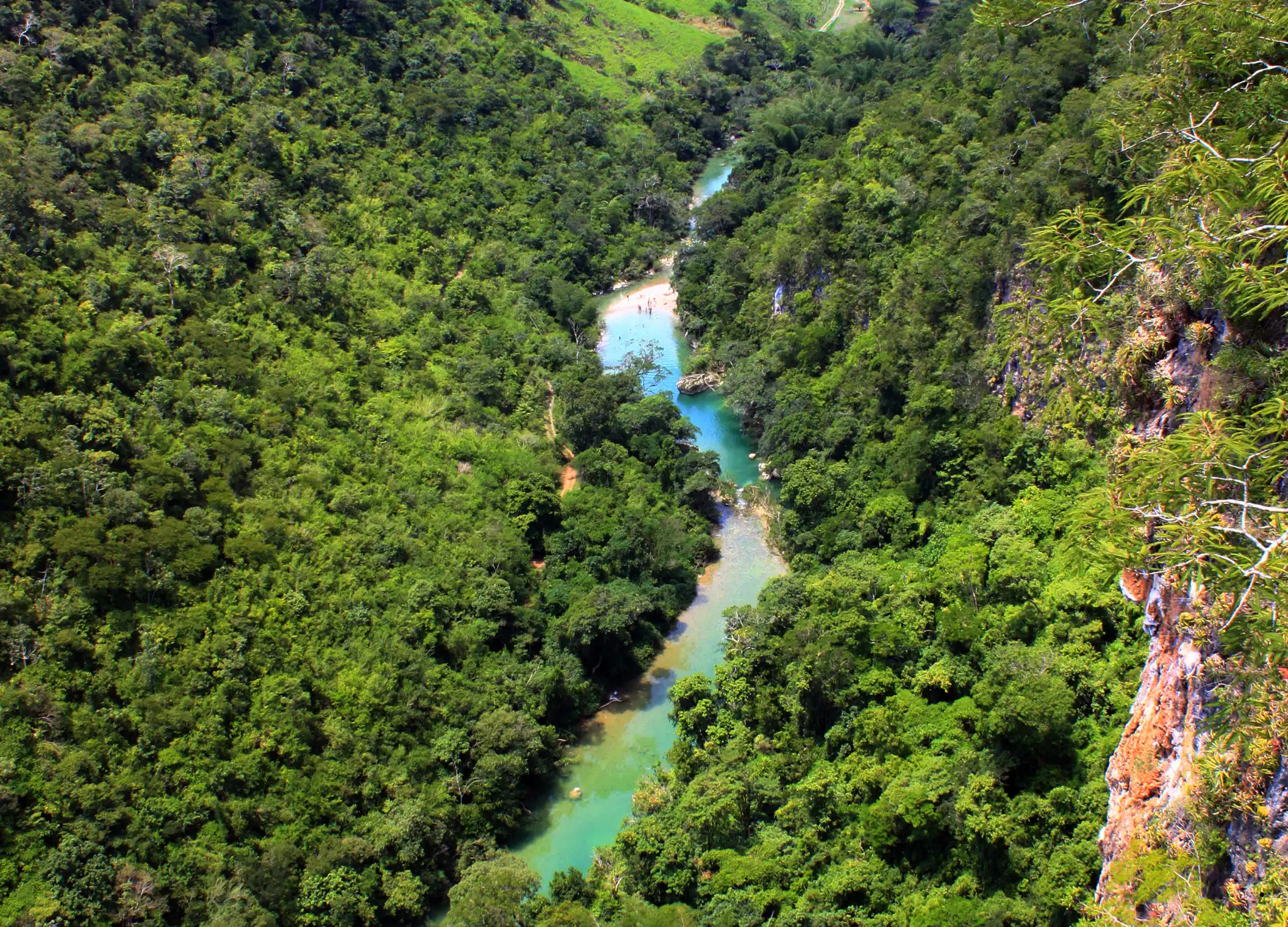
Discover Mato Grosso do Sul, a state in the central-west of Brazil globally recognized for its amazing biodiversity and natural landscapes. Explore the Pantanal, one of the largest wetlands on the planet, ideal for spotting jaguars, birds, and wildlife in their natural habitat. Also be amazed by Bonito, the epicenter of ecotourism in the region, famous for its ultra-clear rivers where you can float alongside colorful fish, and its impressive caves. An adventure and pure nature experience, ideal for travelers seeking authentic ecotourism, photographic safaris, and a deep connection with the environment.
The best activities and experiences in Mato Grosso do Sul
The best time to visit Mato Grosso do Sul is from May to September, during the dry season. The weather is cooler and water levels drop, concentrating wildlife around the Pantanal rivers, making it easier to spot jaguars and birds, as well as ensuring incredibly clear waters for snorkeling in Bonito. Note that the high season coincides with school holidays in July and the summer months (December to February). In summer, rains flood the Pantanal transforming the landscape but making land transport difficult and clouding the rivers of Bonito, so traveling in the dry season requires booking accommodation and tours well in advance.
The Mato Grosso do Sul region has a predominantly tropical climate, characterized by having two very well-defined seasons: a warm and rainy summer, and a dry and cool winter. In general, average temperatures range between 15°C and 33°C throughout the year. The hottest months correspond to the period from September to November, before the heaviest rains, with October being the time when the highest average maximum temperatures are recorded, usually around 33°C or higher. Conversely, the coolest period is experienced during winter, between June and August, with July having the lowest average minimum temperatures, which usually drop to 15°C at night, although the arrival of cold fronts from the south can cause the thermometer to drop abruptly.