Qué hacer en La Paz
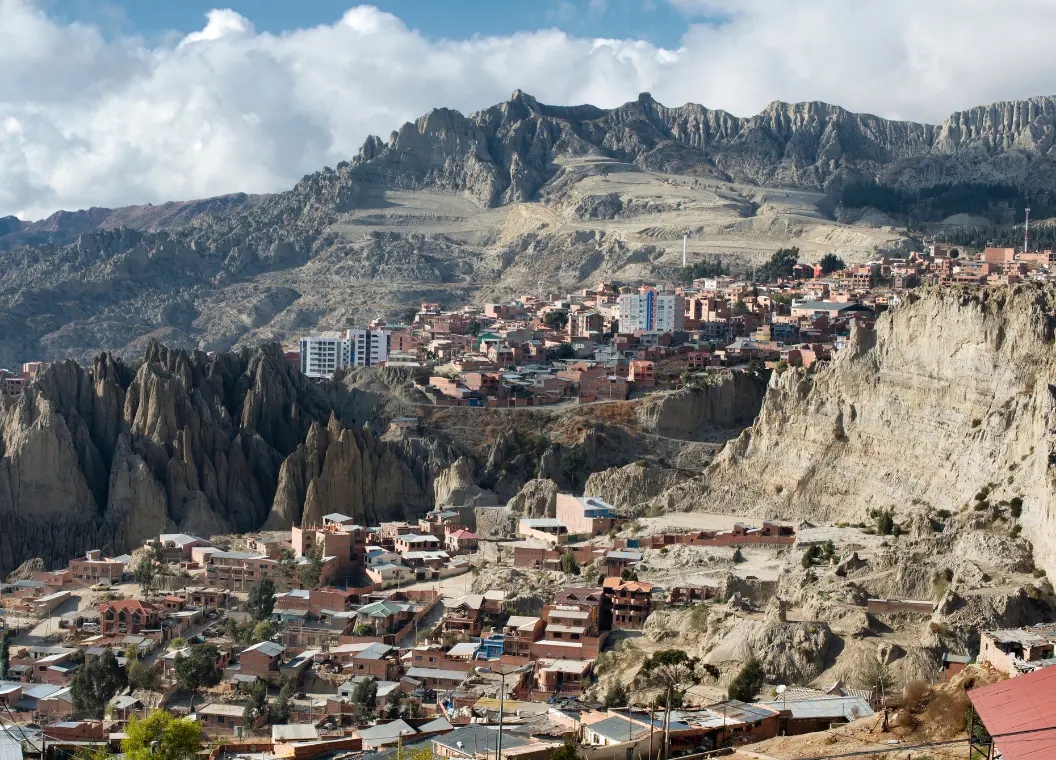
Descubre La Paz, la capital más alta, donde la cultura andina cobra vida. Deslízate en el teleférico para vistas inigualables y explora el místico Mercado de las Brujas. Visita el surrealista Valle de la Luna. Una ciudad vibrante entre montañas que promete una aventura cultural y visual única.





La mejor época para visitar La Paz, Bolivia, es durante la temporada seca, que se extiende de mayo a octubre. Estos meses son ideales porque el clima es más frío pero soleado, lo que se traduce en cielos despejados y vistas espectaculares del Illimani, además de facilitar el recorrido por la ciudad y la realización de actividades al aire libre como el senderismo en el Valle de la Luna. Coincidentemente, muchos viajeros prefieren este período por el buen clima, por lo que se considera la temporada alta en términos de afluencia turística, aunque la afluencia es más manejable que otros destinos; aun así, es recomendable reservar alojamiento y tours con antelación, especialmente para las fiestas locales importantes.
El clima en La Paz es templado de altura, con veranos cortos, frescos y nublados, e inviernos cortos, muy fríos y secos. La temperatura general durante el año varía de -2 °C a 15 °C. Las temperaturas máximas promedio de 15 °C se alcanzan en diciembre y septiembre, mientras que las mínimas promedio de -2 °C se registran en julio y junio.
Frequently asked questions
According to tourists who visited La Paz, the must-see attractions are:
- Mi Teleférico: a network of cable cars that offers spectacular panoramic views of the city and the mountains. It's the most scenic way to get around.
- Plaza Murillo: the civic and historical center, surrounded by the Cathedral, the Government Palace, and the Legislative Assembly.
- Valley of the Moon: a desert landscape with unique clay and sandstone geological formations.
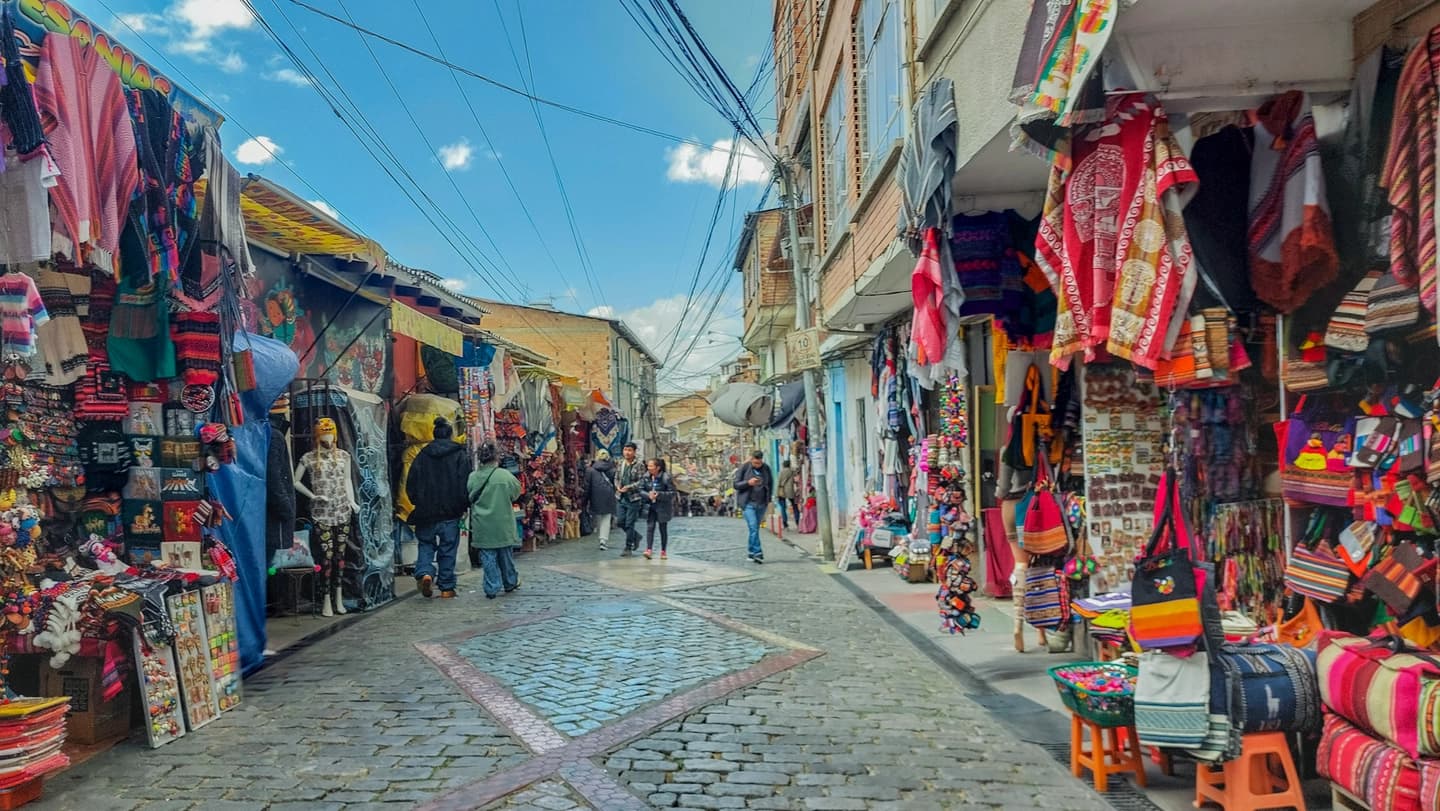
- Witches' Market: a traditional market where herbs, amulets, and ancestral medicine objects are sold.
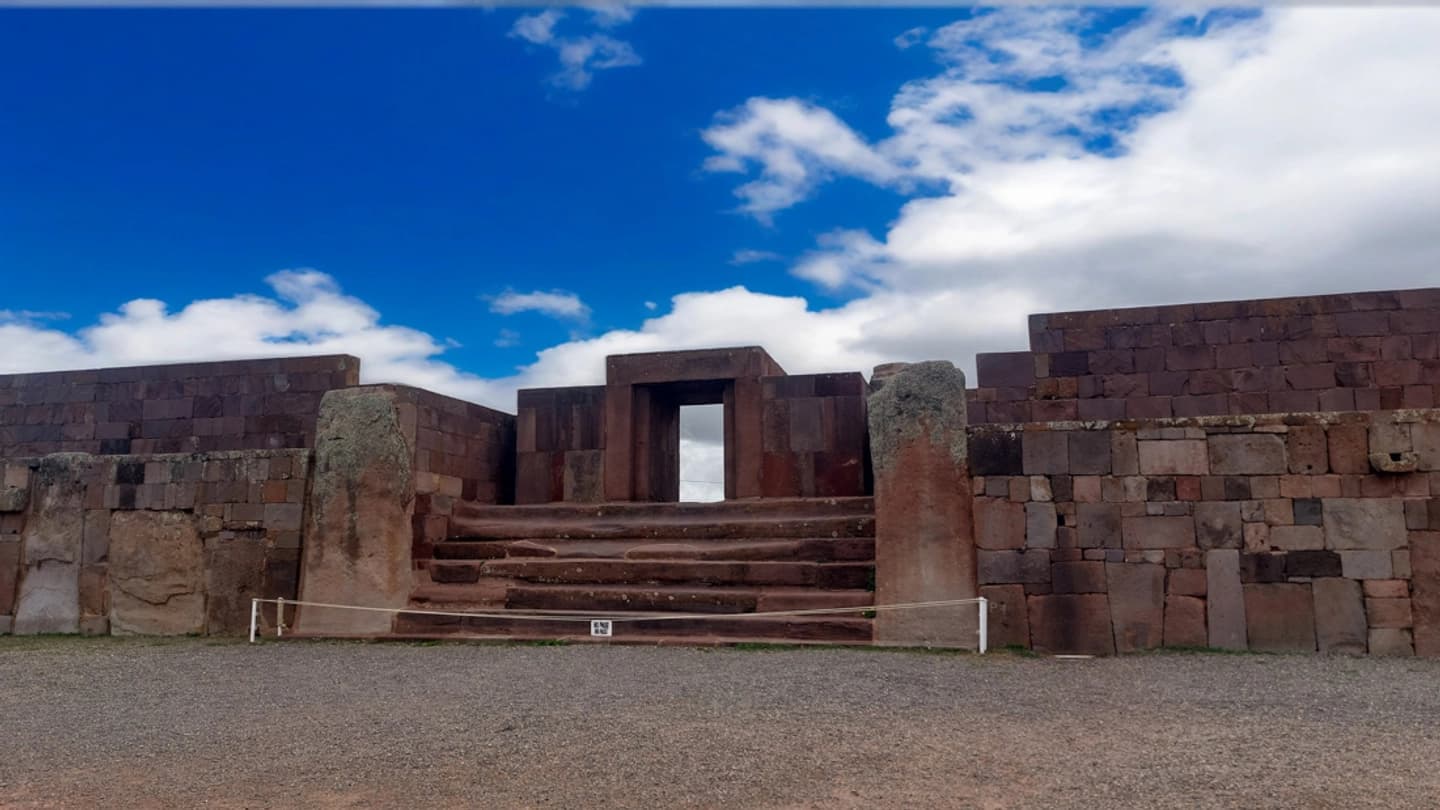
- Tiwanaku: the most important pre-Columbian archaeological site in Bolivia, a UNESCO World Heritage Site.
The top-rated activities by tourists in La Paz are:
- Biking down the Death Road: an adventure ride of approximately 64 km with a significant drop in elevation.
- Trekking in the Royal Mountain Range: hiking and mountaineering on peaks like Huayna Potosí (6,088 m) and Illimani.
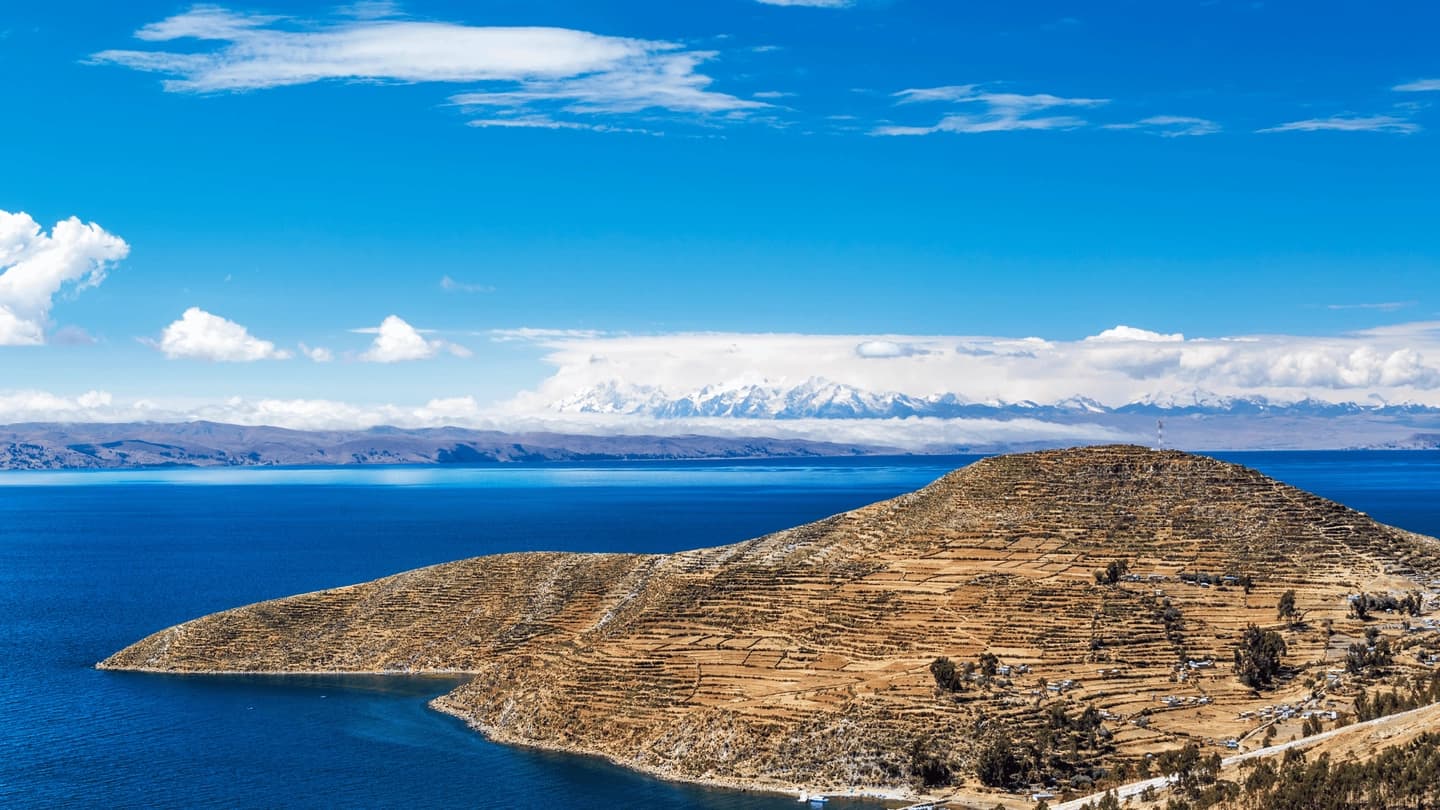
- Exploring Lake Titicaca and its islands: visiting the highest navigable lake in the world (3,810 m), including excursions to the Island of the Sun.
- Rock and snow climbing in the Royal Mountain Range: specialized activities on nearby glaciers and mountains, with medium to high difficulty.
From La Paz, the following day trips can be made:
- Tiwanaku: 72 km away (1.5 hours by bus), a pre-Columbian archaeological site, cradle of Andean civilizations and a UNESCO World Heritage Site.
- Valley of the Moon: 10 km away (30 minutes by public transport or taxi), a desert landscape with unique clay and sandstone geological formations.
- Copacabana and Lake Titicaca (Island of the Sun): 150 km away (3.5-4 hours by bus), the highest navigable lake in the world, filled with Andean legends.
- Coroico: 110 km away (3 hours by bus or car), a town in the Yungas with a subtropical climate, green landscapes, and waterfalls.
It is recommended to spend between 3 and 5 days visiting La Paz. A minimum visit of 3 days allows you to see the essentials of the city and take a nearby excursion. With 5 days, you can explore the city more leisurely, visit Tiwanaku, the Valley of the Moon, and have an experience at Lake Titicaca. A stay of 7 days or more allows for including adventure activities like the Death Road or trekking in the Royal Mountain Range, as well as exploring the Yungas. Altitude and distances are factors to consider.
The high season is July-August (dry, sunny, and cold, 0-15°C), with high prices and more visitors. The low season is December-March (rainy, 5-18°C), with lower prices (up to 30% cheaper) and fewer tourists. The ideal season is April-May and September-October, with mild temperatures (2-17°C), dry weather, lower crowds, and moderate prices, offering a good balance between weather and cost.
Traveling to La Paz has a moderate cost. A daily budget for backpackers is $25-40 USD, for a mid-range level $50-80 USD, and for comfort $100-150 USD. A meal at an average restaurant costs $6-10 USD, while an economical meal costs $2-4 USD. Public transport is very cheap ($0-0.72 USD per trip). Budget accommodation per night ranges from $7-15 USD, and mid-range from $29-72 USD. A 5-day budget is around $250-400 USD per person. It's more affordable than other South American capitals.
You can enjoy La Paz economically by exploring on foot the Killi Killi Viewpoint, which offers free panoramic views, and strolling through the Old Town (Calle Jaén) with its colonial architecture. The Free Walking Tours, based on voluntary tips, cover the historic center. The cable car Mi Teleférico is an affordable way to get spectacular views of the city, with a very low cost per trip. For guided tours, Tur.com highlights:
- Cultural tour of La Paz with cable car and traditional markets
- Guided excursion to the ruins of Tiwanaku from La Paz
- Cholitas wrestling match.