According to tourists who visited Rapa Nui, the must-see attractions are:
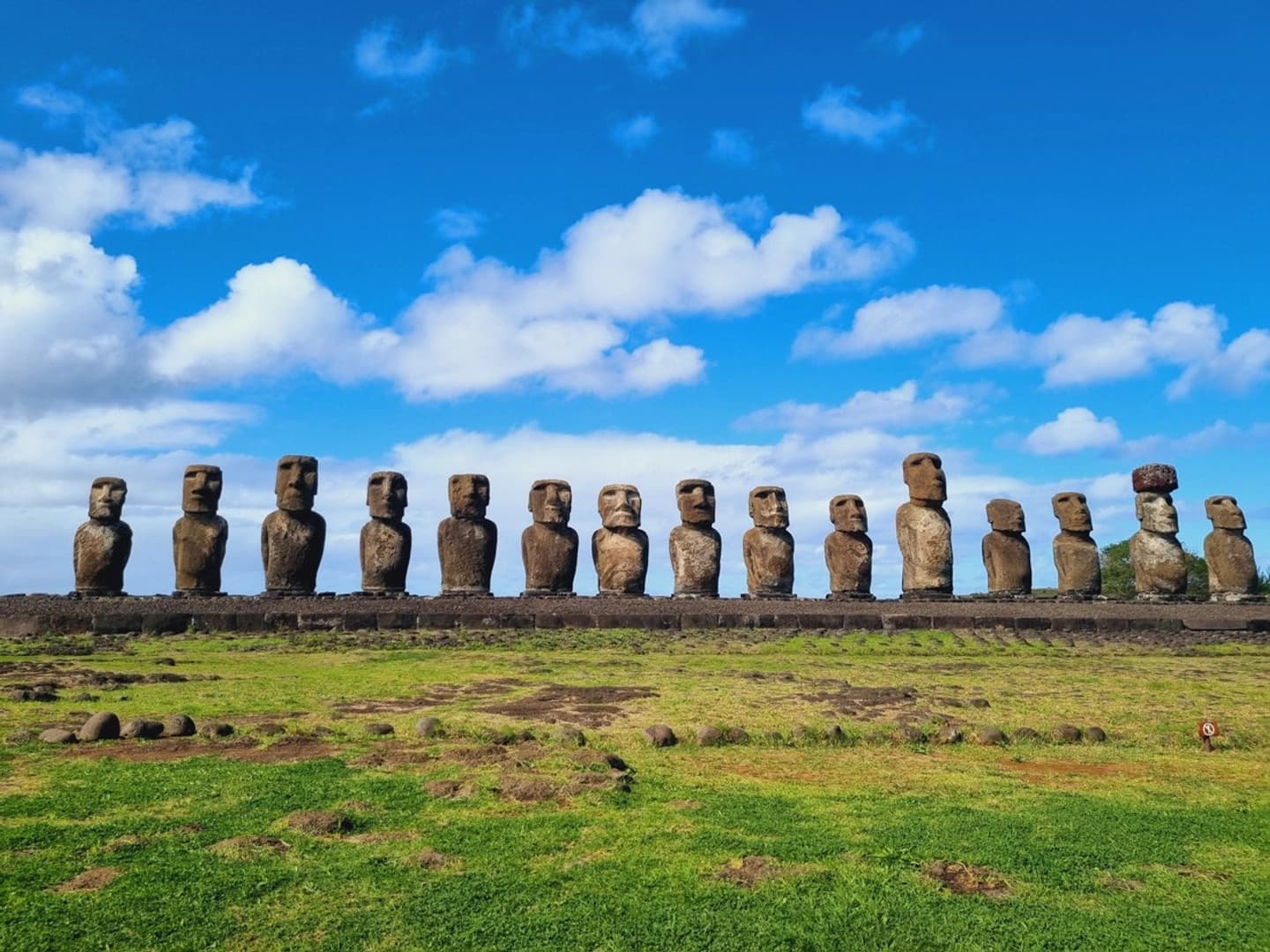
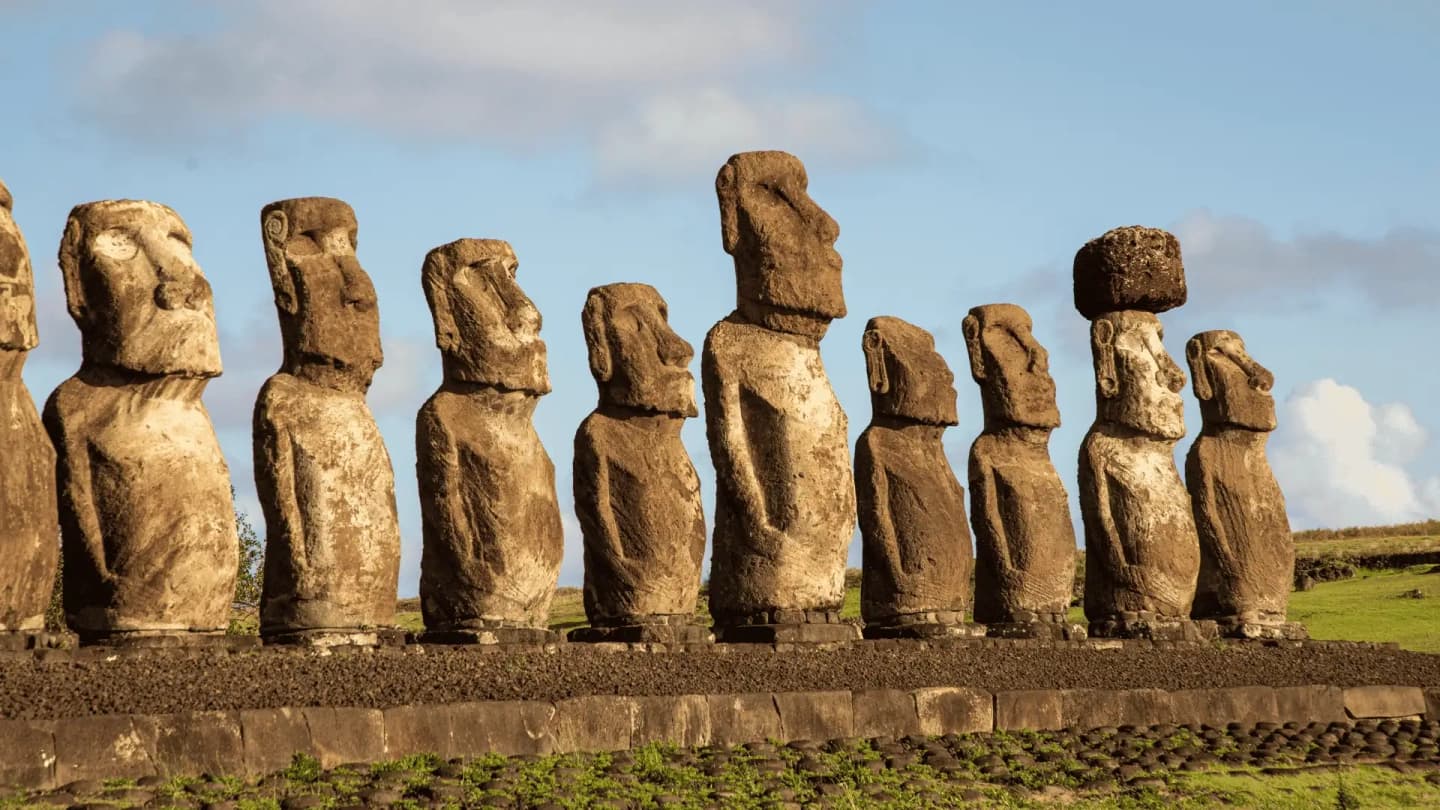
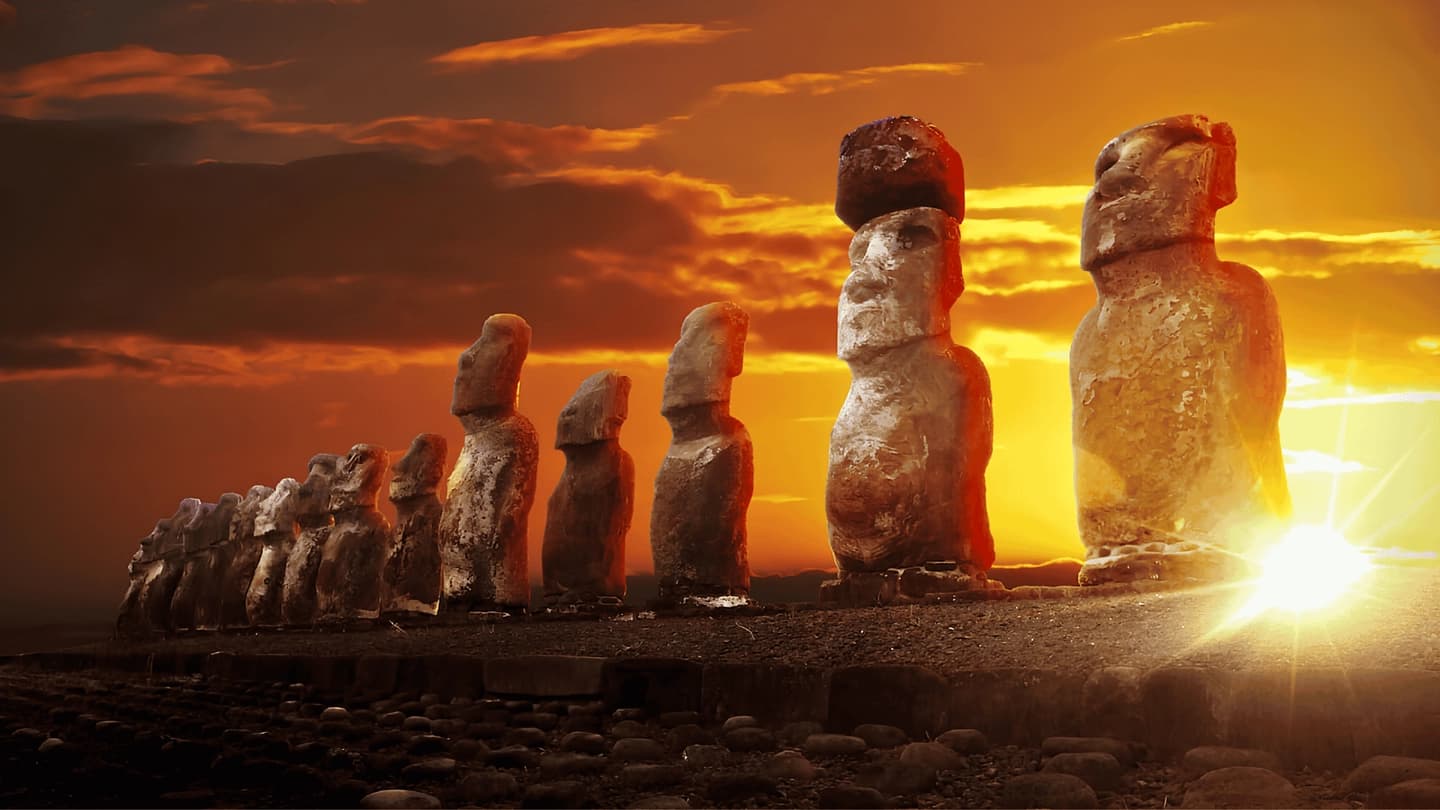
1. Ahu Tongariki: The largest altar with 15 moáis facing the ocean (access by tour or personal vehicle).
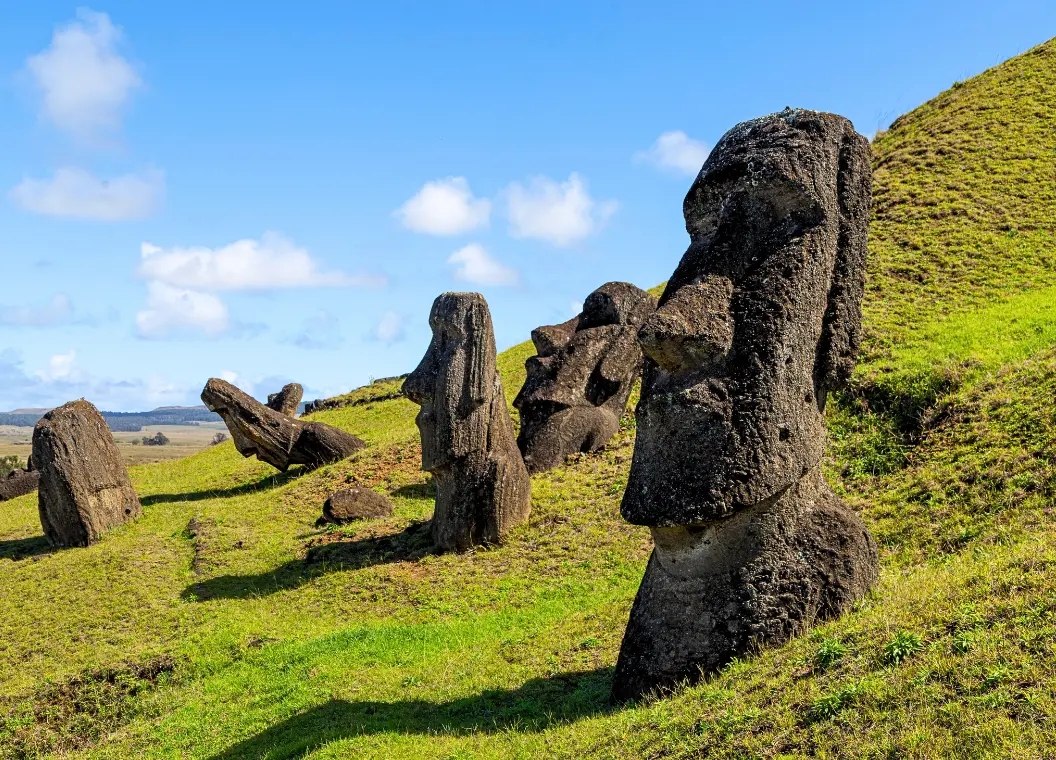
2. Rano Raraku: The 'moai factory' with 400 statues in progress (access by tour).
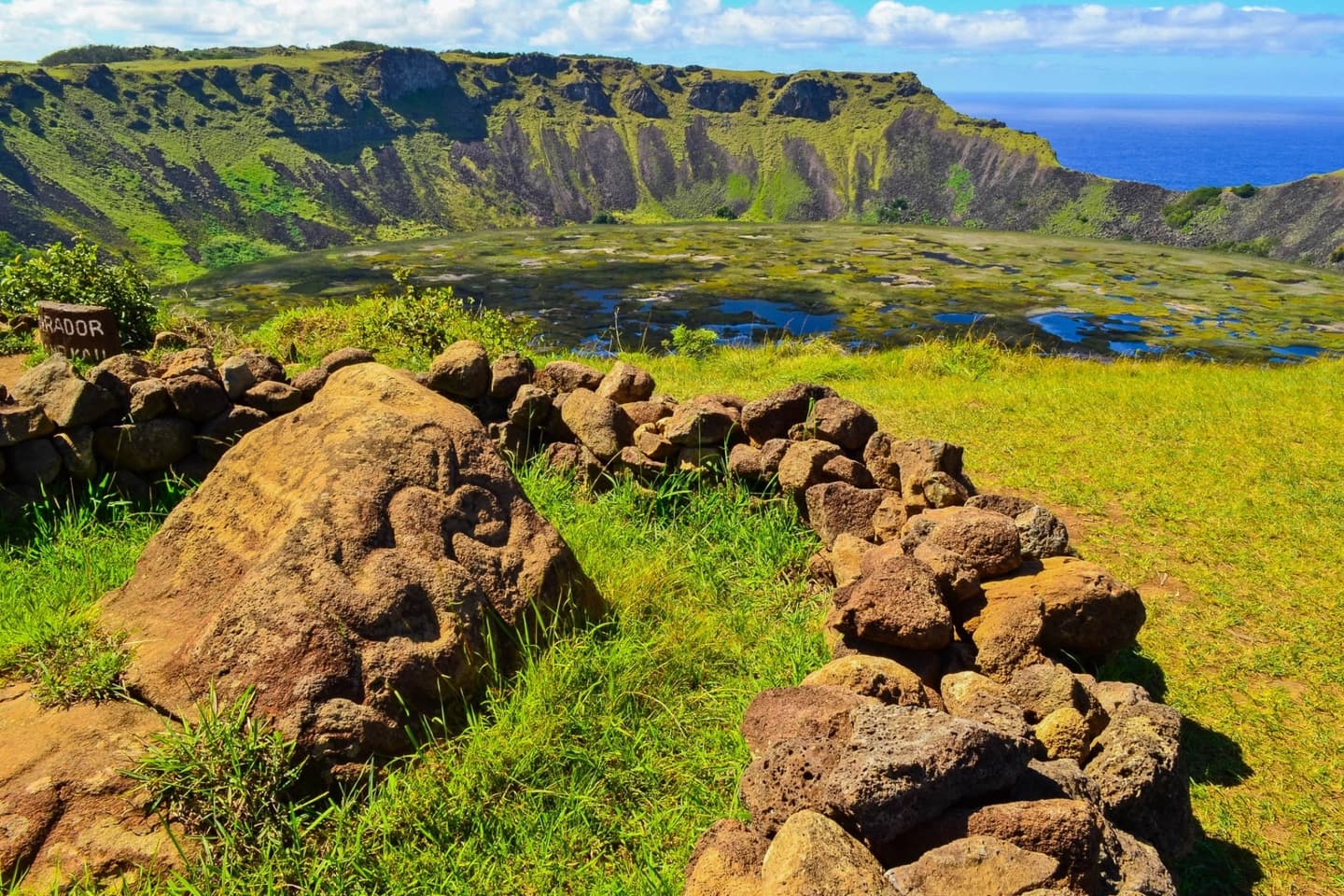
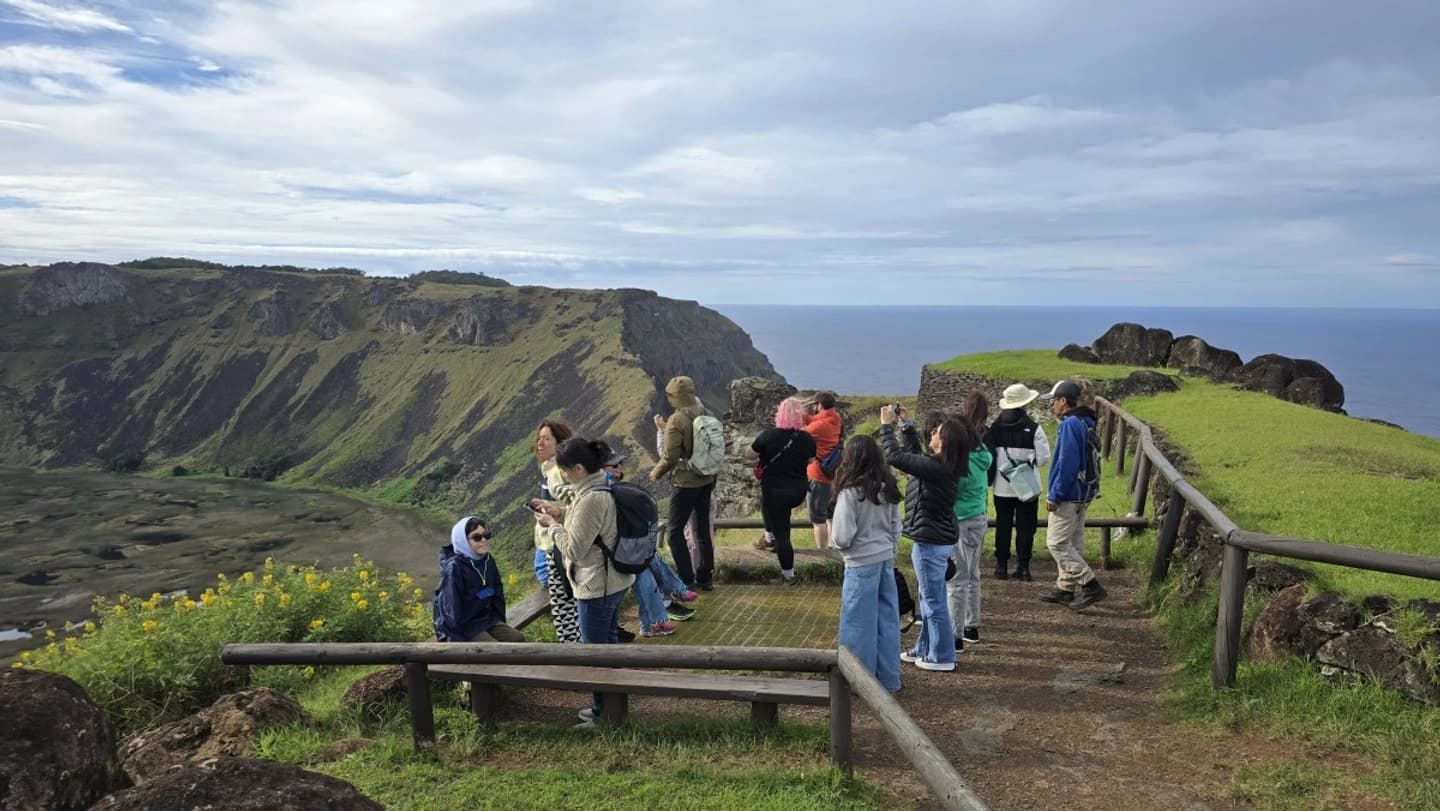
3. <a href="https://www.tur.com/en/rapa-nui-225/la-leyenda-del-hombre-pajaro-25450-1851" target="_blank" rel="noopener">Rano Kau</a> Volcano: Crater with a lagoon and panoramic views (free access to the viewpoint, tour to Orongo).
4. Anakena Beach: A paradise beach with white sand and moáis (access by personal vehicle or tour).
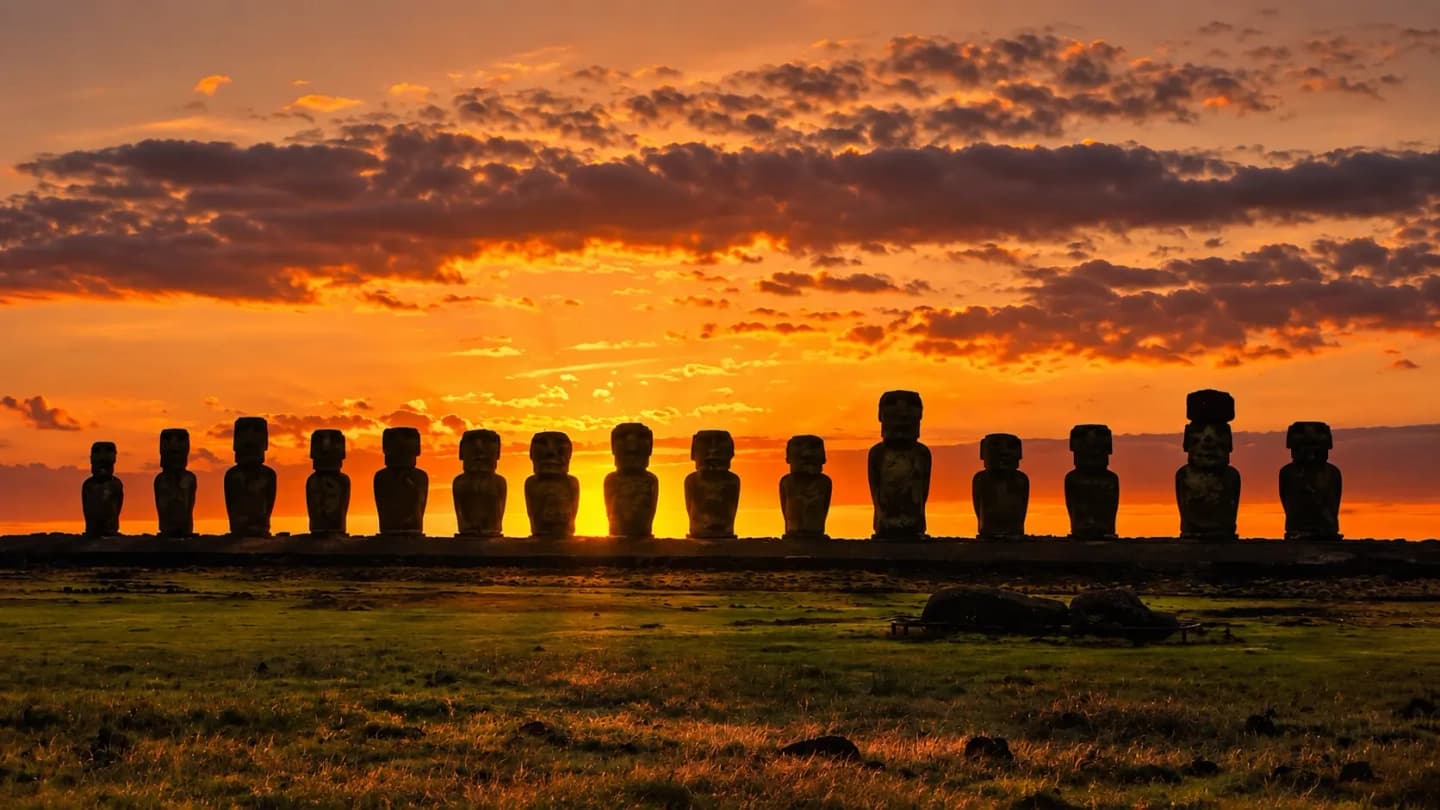
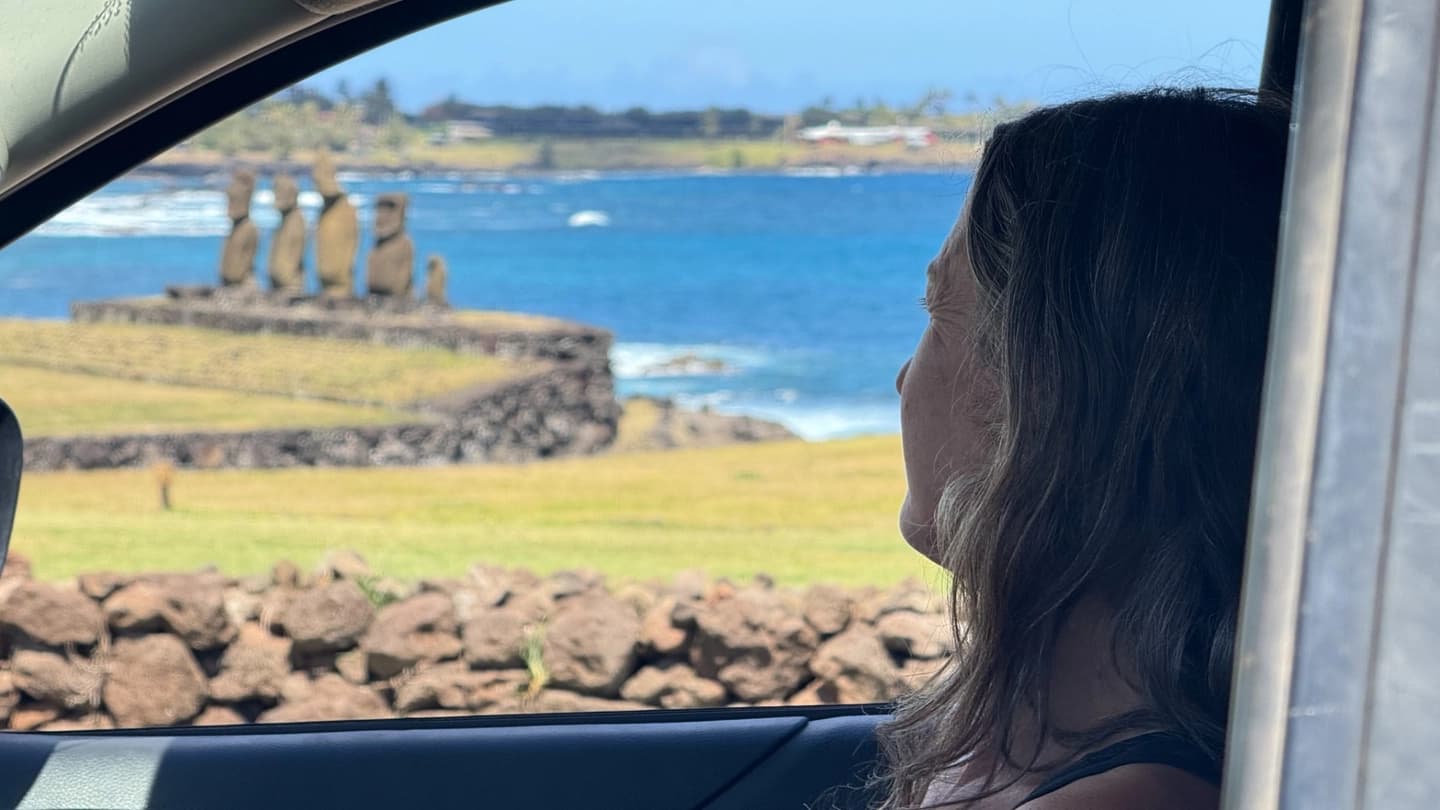
5. Tahai: Archaeological complex with three moai platforms, ideal for sunset (free access).
The highest-rated activities by tourists in Rapa Nui are:
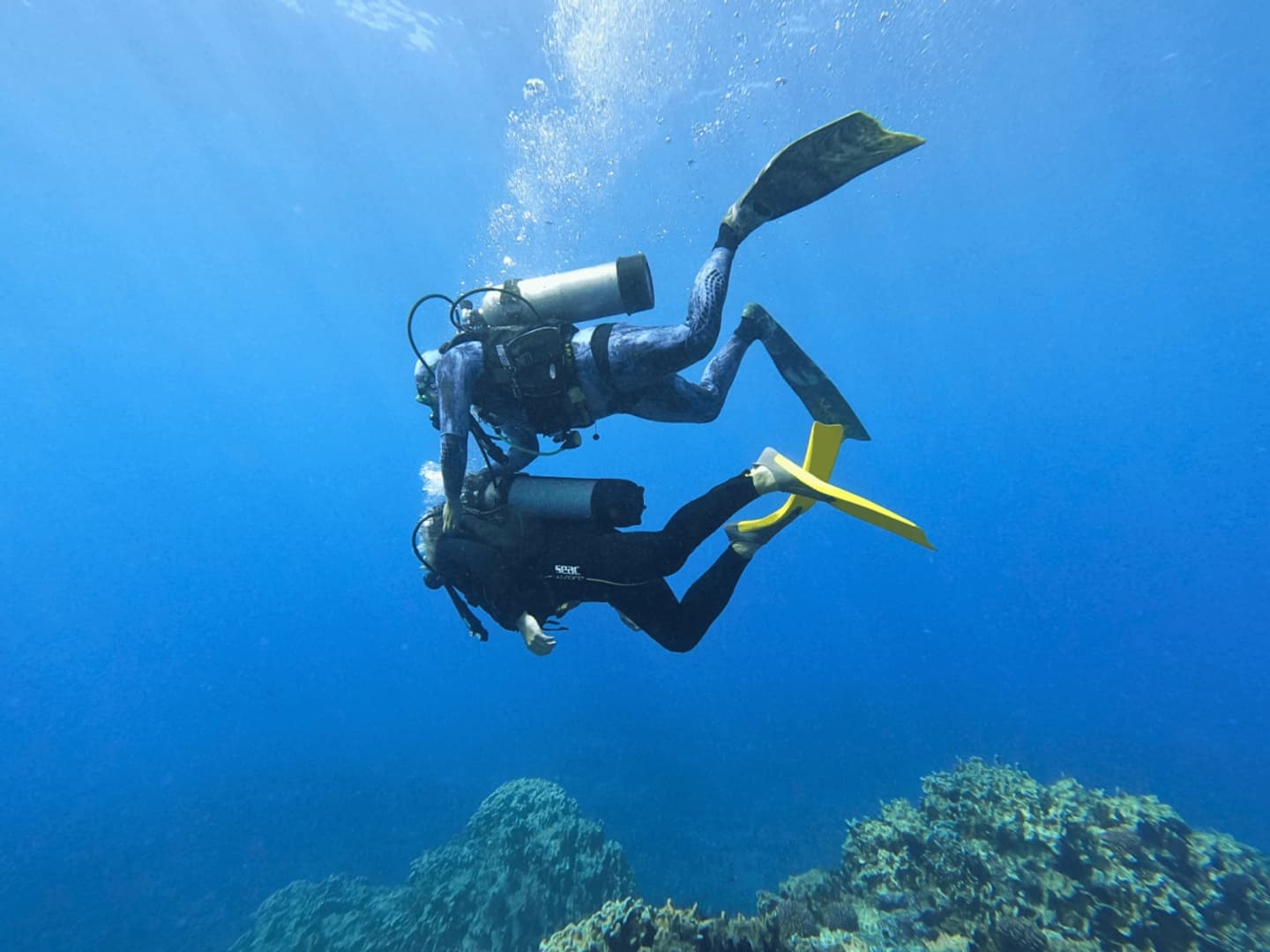
1. Diving and Snorkeling: Explore crystal-clear waters with visibility of up to 60 meters, a favorite spot for diving.
2. Trekking to Terevaka Volcano: Climb to the highest point on the island (511 meters) for 360-degree panoramic views.
3. Guided horseback riding: Explore the island on horseback, connecting with landscapes and local communities.
4. Visiting the beaches: Enjoy Anakena and Ovahe, perfect for swimming and relaxing.
5. Attending a Rapa Nui dance show: Experience local culture with traditional dances and music.
From Rapa Nui, the following day trips can be made:
1. Easter Island (internal tour): A full day to visit the main archaeological sites such as Rano Raraku, Ahu Tongariki, <a href="https://www.tur.com/en/rapa-nui-225/la-leyenda-del-hombre-pajaro-25450-1851" target="_blank" rel="noopener">Rano Kau</a>, Orongo, and Anakena Beach (163 km of travel).
2. Hanga Roa: Half a day or a full day to explore the town, the fishing cove, the market, and museums.
3. Rapa Nui National Park: 1-2 days to see the moáis, ahu, volcanoes, and the ceremonial village of Orongo, declared a UNESCO World Heritage Site.
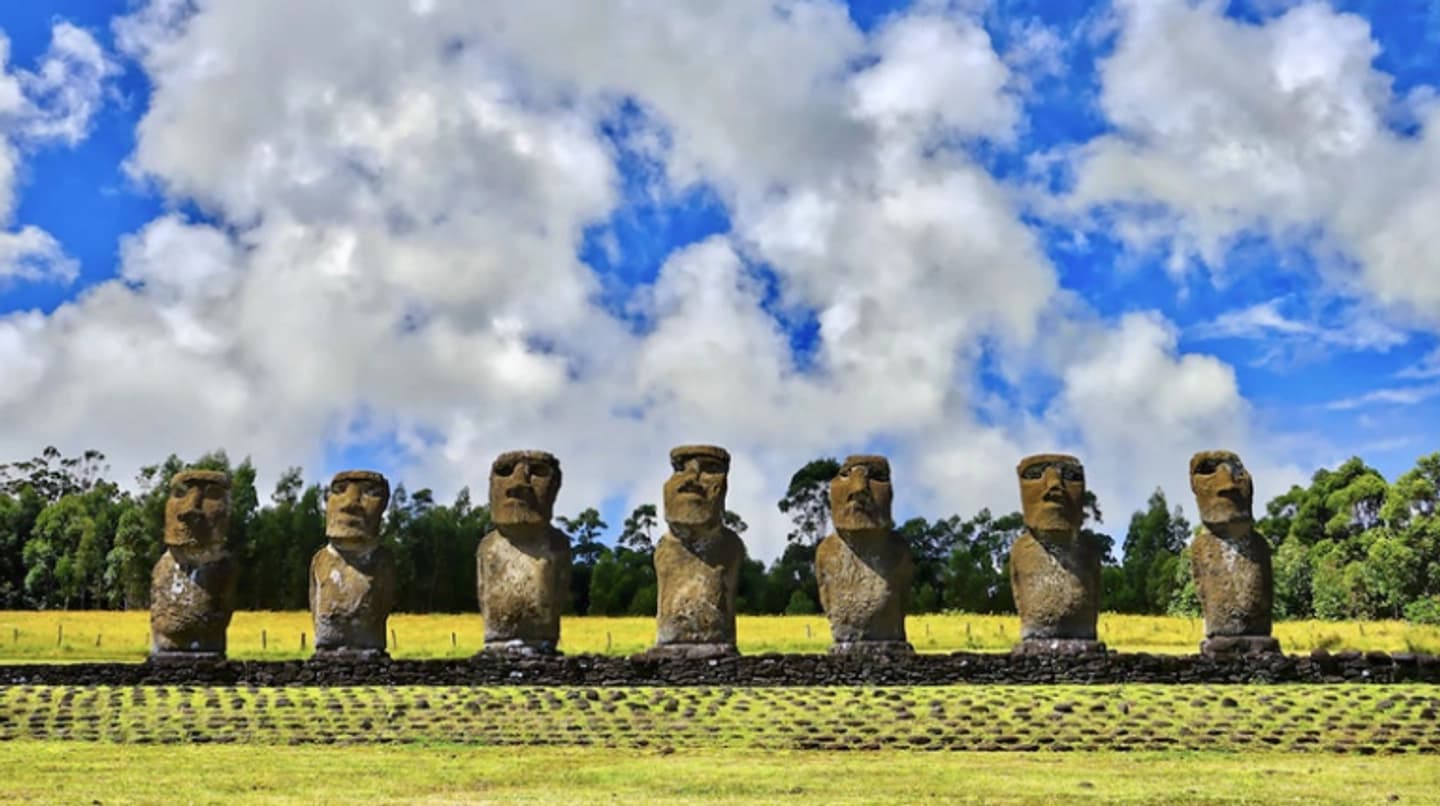
It is recommended to spend 3 days to see the key points, 5 days are ideal for exploring at a leisurely pace and enjoying activities, and 7 days allow for a deeper immersion. A 5-day visit could be organized with Day 1 for arrival and Hanga Roa, Day 2 for the Archaeological Tour (Rano Raraku, Tongariki, Anakena), Day 3 for <a href="https://www.tur.com/en/rapa-nui-225/la-leyenda-del-hombre-pajaro-25450-1851" target="_blank" rel="noopener">Rano Kau</a>, Orongo, and Ahu Akivi, Day 4 for beaches and water activities, and Day 5 for free exploration and farewell. Consider the size of the island and the need for guided tours.
The high season (September-March) offers warm weather (20-28°C) but high prices. The low season (April-August) has cooler temperatures (16-22°C) and prices 20-30% lower, with fewer tourists. The ideal months are September, October, March, and April, which provide a good balance of pleasant weather (20-26°C), fewer crowds, and moderate prices, avoiding summer peaks and winter rains.
Traveling to Rapa Nui is considered expensive due to its isolation. An estimated daily budget is USD 70-100 for backpackers, USD 150-250 for a mid-range level, and USD 300-500 for comfort. Reference costs are: average restaurant meal USD 32-53, entrance to the National Park USD 57, budget accommodation per night USD 63-105. A budget for 5 days at a mid-range level is around USD 750-1250. Save money by shopping at supermarkets, using public transportation or bicycles, and traveling in the low season.
You can enjoy Rapa Nui affordably by visiting free places like the sunset at Tahai and strolling through Hanga Roa, its cove, and market. You can also take self-guided tours along nearby trails or rent a bicycle for USD 16 a day. For guided tours, Tur.com highlights:
1. Rapa Nui Tour: The Moai Route
2. Rapa Nui Tour: The Essentials
3. Snorkeling in Rapa Nui