Up to 6 interest-free installments with MercadoPago
logo
logo
  • Near me
Qué hacer en Santa Marta

Qué hacer en Santa Marta
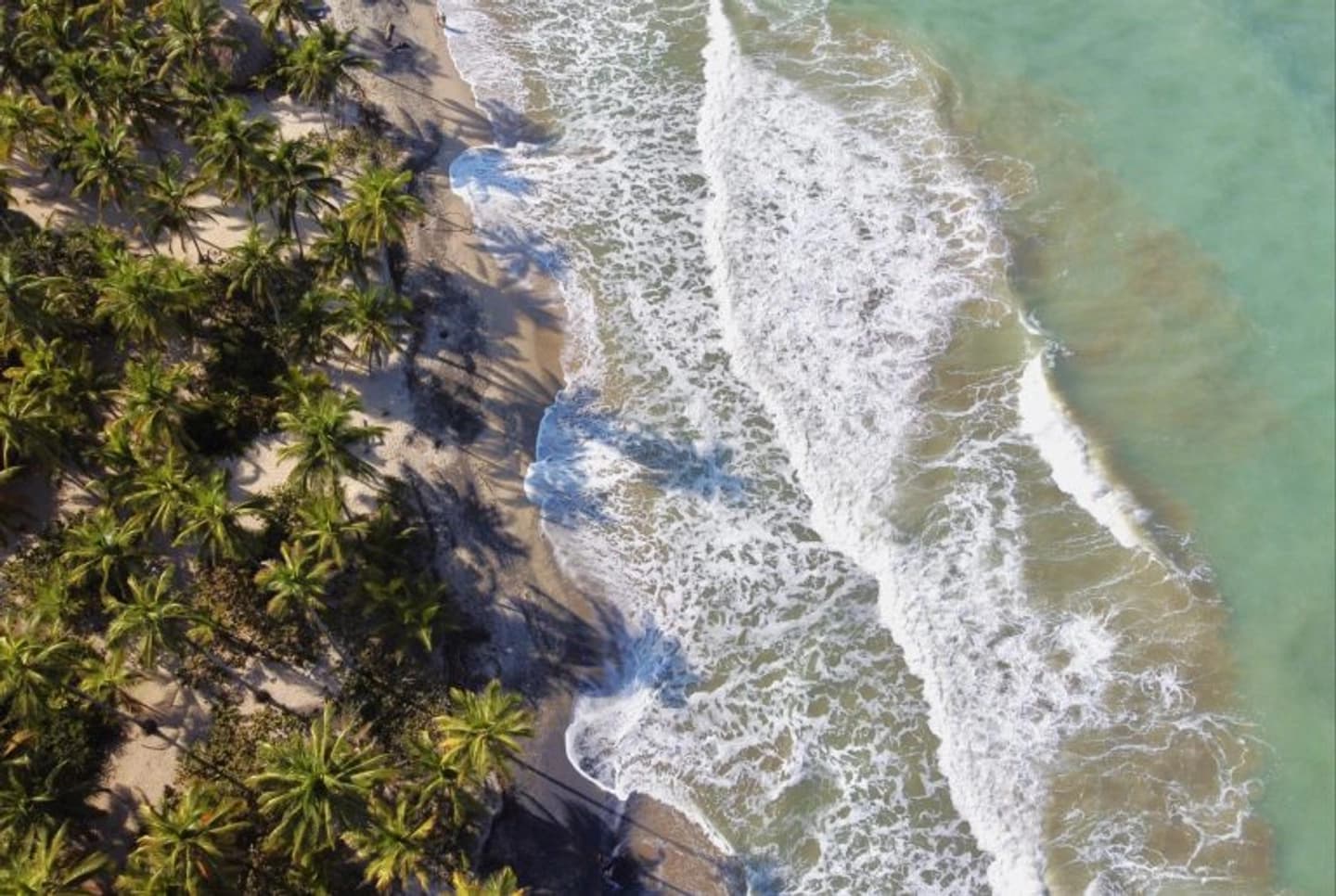
Descubre Santa Marta, donde la majestuosa Sierra Nevada se funde con el Caribe. Explora el Parque Tayrona, sumérgete en playas de ensueño y revive la historia colonial. Es un destino único que ofrece la perfecta combinación de aventura, misticismo natural y cultura vibrante, ideal para una experiencia inigualable en Colombia.

Best season

La mejor época para experimentar Santa Marta y la Sierra Nevada es durante la temporada seca, que va de diciembre a abril. Estos meses son perfectos para disfrutar de un clima seco y soleado, ideal para actividades al aire libre como relajarse en sus playas, hacer senderismo y caminatas en el místico Parque Tayrona, especialmente hacia Cabo San Juan, y recorrer con calma el centro histórico. Es importante tener en cuenta que gran parte de este periodo (especialmente diciembre, enero y Semana Santa) constituye la temporada alta, lo que significa una mayor afluencia de turistas en destinos populares como el Tayrona y precios que pueden ser más elevados. Para quienes buscan buen clima con menos gente, los días entre abril y mayo, justo después de Semana Santa, son una excelente alternativa.

Weather

El clima general de Santa Marta es tropical semiárido, caracterizado por temperaturas cálidas y relativamente estables, oscilando la temperatura promedio entre 24 °C y 31 °C. Las temperaturas máximas, que suelen rondar los 31 °C a 32 °C, se alcanzan con mayor frecuencia entre marzo y mayo, mientras que las temperaturas mínimas rara vez descienden por debajo de los 24 °C, ocurriendo estas en los meses de diciembre y enero.

Frequently asked questions

What should I do or see on my first visit to Santa Marta?
According to tourists who visited Santa Marta, the must-do activities on a first visit are: 1. Visit the Quinta de San Pedro Alejandrino, a historic estate where Simón Bolívar passed away, featuring beautiful botanical gardens. Access by land transportation. 2. Explore the Tairona Gold Museum (Casa de la Aduana), which showcases the goldsmithing and culture of the indigenous people of the Sierra Nevada. Accessible on foot from the historic center. 3. Visit the Santa Marta Cathedral Basilica, the oldest cathedral in Colombia, with its iconic white façade. Accessible on foot from the historic center. 4. Enjoy Parque de los Novios, the social heart of the center, ideal for lunch and soaking up the lively atmosphere. Accessible on foot from the historic center. 5. Relax at Playa El Rodadero, the most famous and crowded beach, with easy access to Playa Blanca. Access by land transportation. 6. Admire the sunset from the Malecón de Bastidas, with the Morro de Santa Marta in the background. Access by land transportation.
What are the best activities to do in Santa Marta?
The top-rated activities by tourists in Santa Marta are: 1. Visit the Quinta de San Pedro Alejandrino, a historic and sacred place essential for understanding Colombia's history. 2. Explore the Tairona Gold Museum, which offers an incredible insight into Tairona ancestral culture and is a gem of the historic center. 3. Visit the Santa Marta Cathedral Basilica, an architectural and historical landmark just steps away from the Gold Museum. 4. Enjoy Parque de los Novios, a vibrant meeting point and an excellent place to experience local life and try the cuisine. 5. Relax at Playa El Rodadero, the main urban beach, perfect for enjoying the Caribbean Sea. 6. Enjoy the sunset at the Malecón de Bastidas, which offers spectacular sunset views and is a pleasant stroll at the end of the day.
What day trips can be taken from Santa Marta?
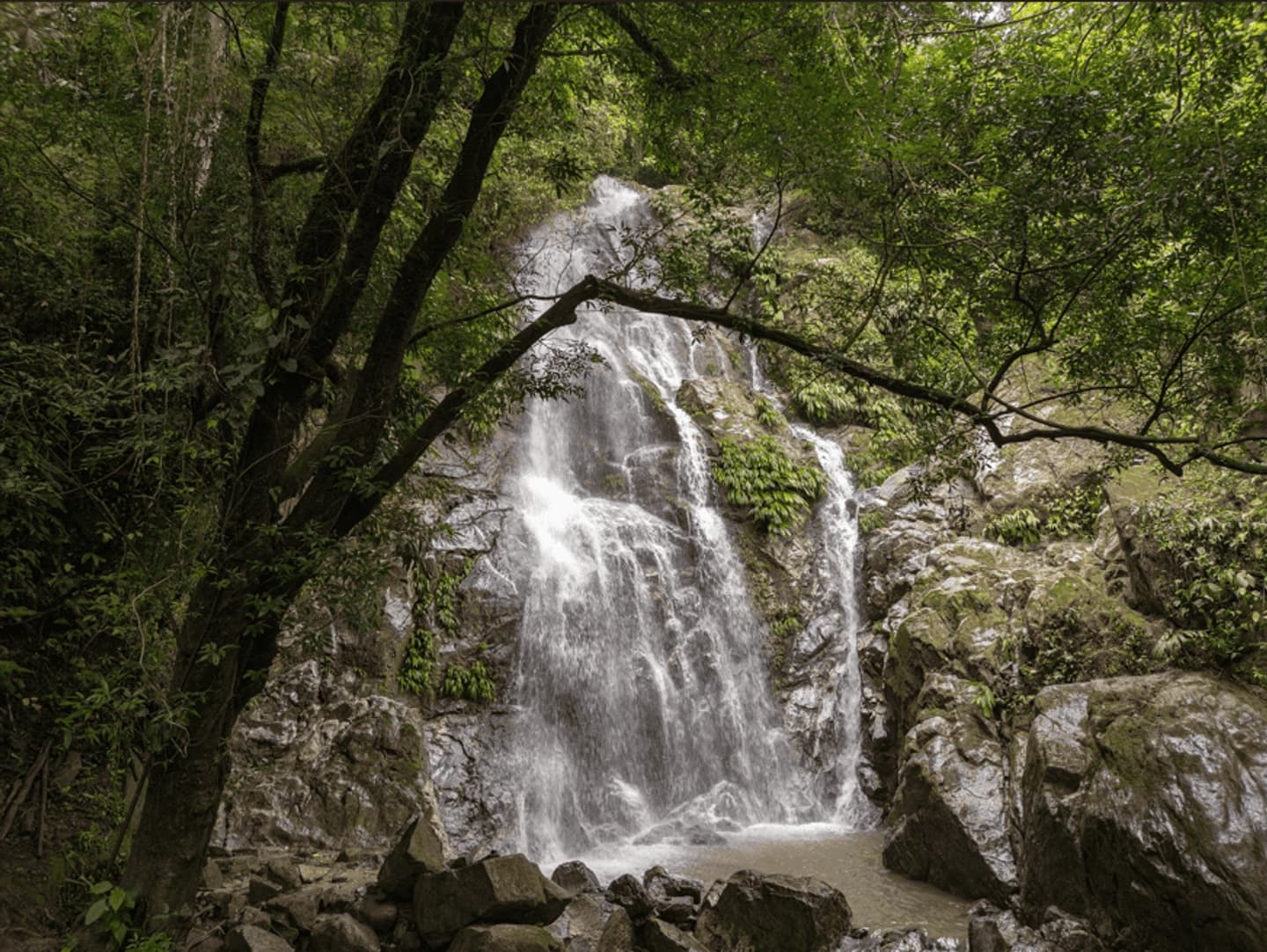
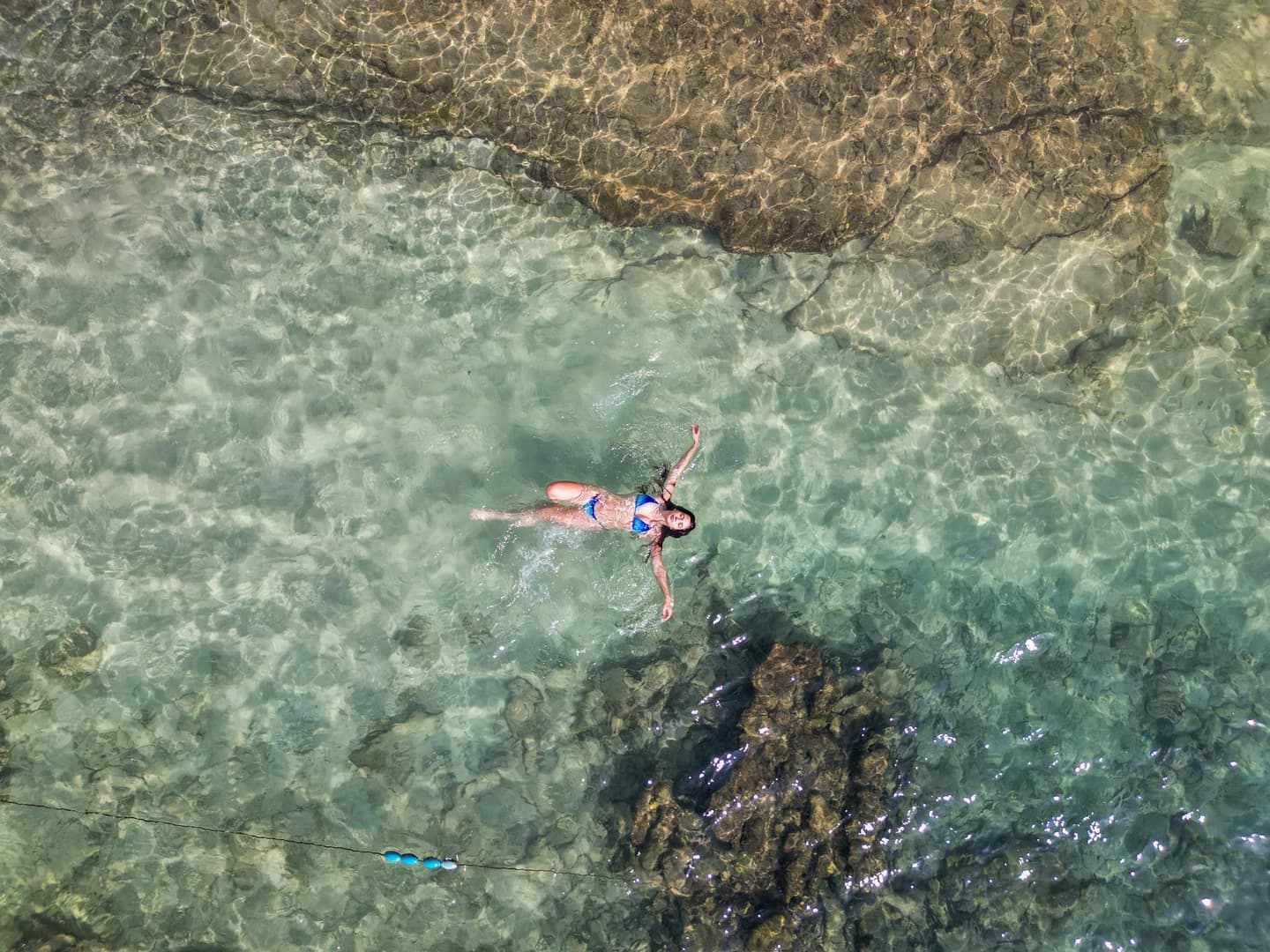
From Santa Marta, the following day trips can be made: 1. Tayrona National Natural Park: Approximately 1 hour of travel, featuring paradise-like beaches and ecological trails. 2. Minca: Approximately 1 hour of travel, a coffee town in the Sierra Nevada with waterfalls and birdwatching. 3. Ciudad Perdida: Requires at least 4 days of hiking, an ancient indigenous city in the Sierra Nevada. 4. Isla de la Aguja: Approximately 2 hours of travel by boat, ideal for snorkeling and diving in crystal-clear waters. 5. Quebrada Valencia: Approximately 1 hour of travel, with multiple waterfalls and natural pools.
How many days are recommended to visit Santa Marta?
To visit the main attractions of Santa Marta and its surroundings, it is recommended to spend between 3 and 4 days. With 3 days, you can dedicate one day to the city (Quinta de San Pedro Alejandrino, Gold Museum, Cathedral, Parque de los Novios, Malecón), another day to Tayrona Park, and a third day to Minca or a trip to a nearby beach. With 4 days, you can complement your visit with a trip to Isla de la Aguja or enjoy the city's attractions and surroundings at a more leisurely pace.
What is the best time to visit Santa Marta in terms of prices and weather?
The high season in Santa Marta is from December to March, coinciding with summer, with temperatures between 28°C and 32°C. This period is the most expensive and has the highest influx of tourists. The best price-weather ratio is found from April to June and from September to November, with pleasant temperatures between 26°C and 30°C and fewer tourists. Accommodation prices can be up to 20% lower. The rainy season is from August to November, but the rainfall is usually intermittent.
Is it expensive to travel to Santa Marta?
Santa Marta offers a variety of prices. Reference costs are: hostel accommodation starting from COP 40 (approximately $10 USD) per person; mid-range hotels from COP 150–COP 300 (approximately $38–$75 USD) per night; budget lunch (daily menu) between COP 20 and COP 30 (approximately $5–$8 USD); and local transportation (bus or taxi) starting from COP 2 (approximately $0 USD) per trip. A 4-day trip with mid-range accommodation, meals, and main excursions ranges from $250–$400 USD per person, depending on the season and chosen activities.
What budget tours can be done in Santa Marta?
Budget tours that can be done in Santa Marta include walks through the historic center, visits to public beaches like El Rodadero, and visits to the Malecón de Bastidas, which have no entrance fee.