Qué hacer en Uyuni
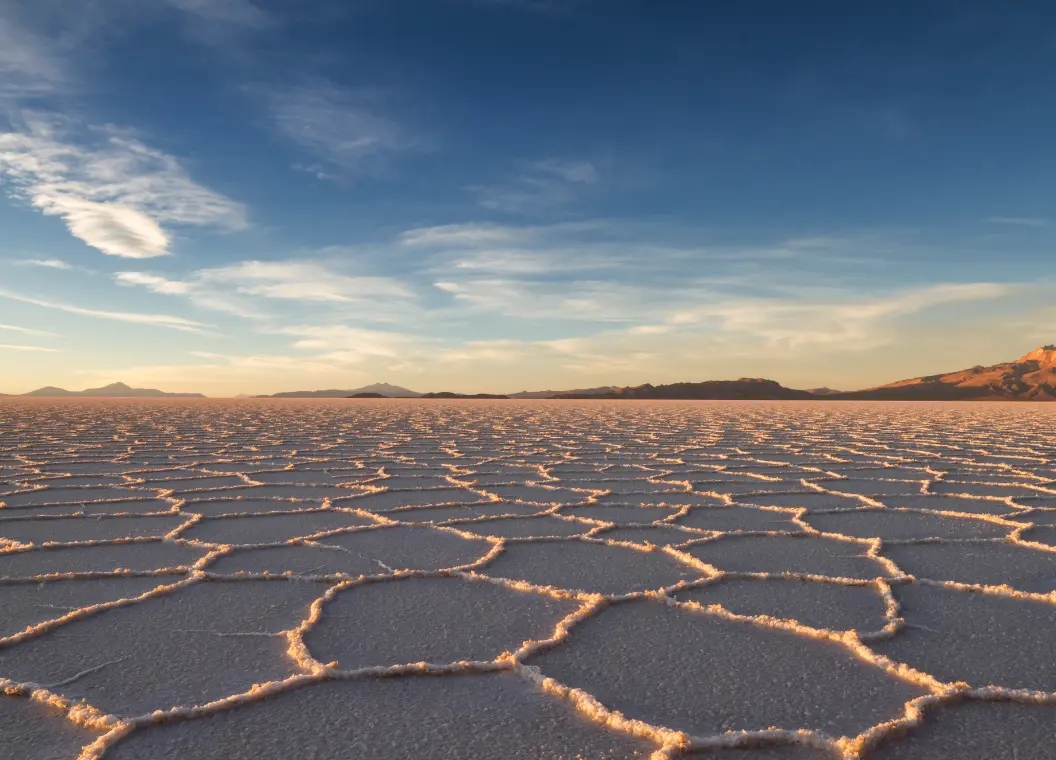
Viaja a Uyuni y presencia el espectáculo surrealista del Salar, el espejo de sal más grande del mundo. Descubre islas de cactus gigantes y lagunas vibrantes llenas de flamencos en el altiplano andino. Esta aventura fotográfica y natural es una inmersión inolvidable que transformará tu perspectiva del planeta.

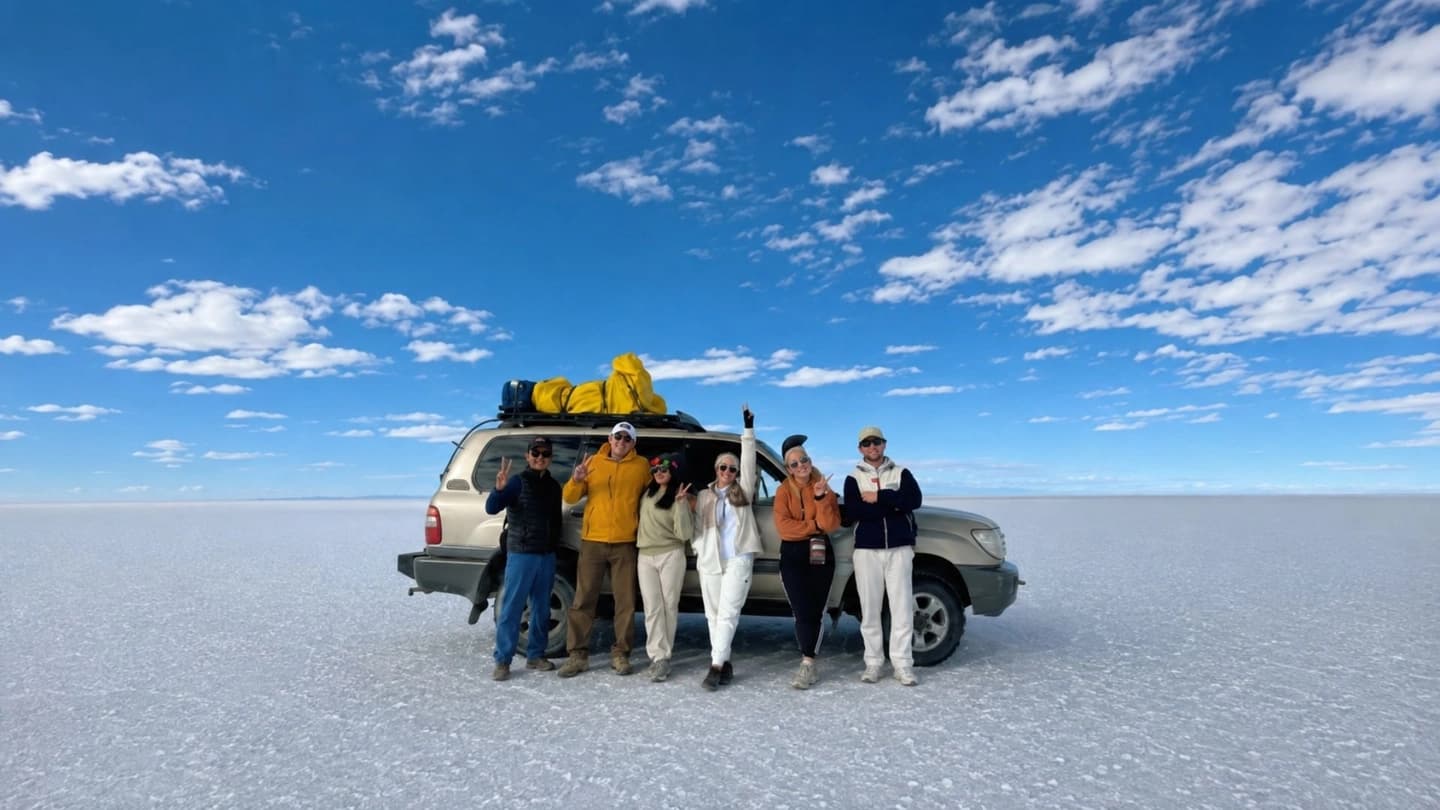

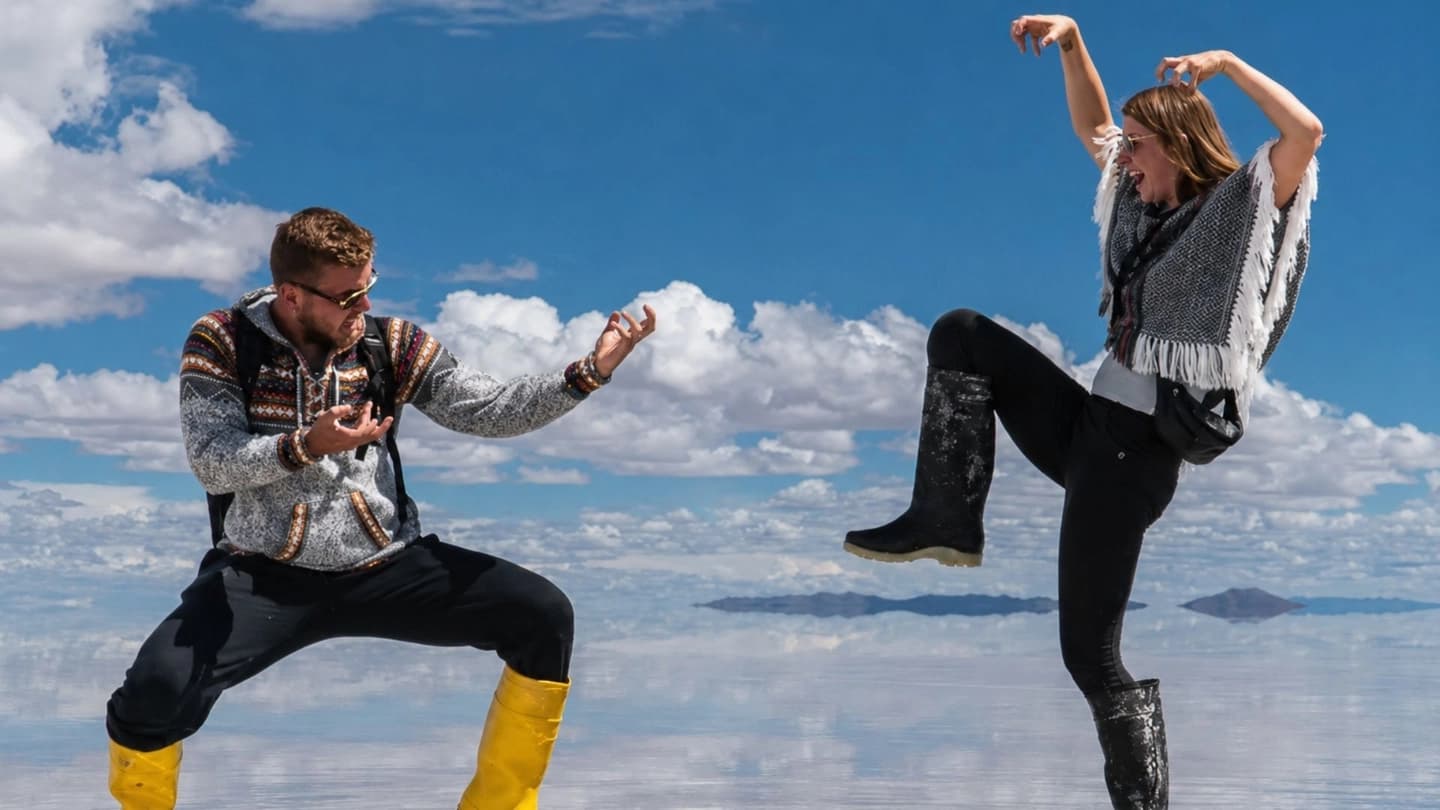
La mejor época para visitar el Salar de Uyuni depende de la experiencia que busques. Si deseas presenciar el espectacular "efecto espejo," que transforma el salar en el reflejo más grande del mundo, el período ideal es la época de lluvias, específicamente entre enero y marzo. Estos meses coinciden con la temporada alta, por lo que, si bien el paisaje es surrealista y perfecto para la fotografía, debes esperar una mayor afluencia de turistas y precios más altos. Por otro lado, si prefieres la temporada seca para recorrer el salar en su totalidad, llegar a la Isla Incahuasi y disfrutar del senderismo en el altiplano andino con cielos más despejados, el periodo de abril a diciembre es más adecuado y ofrece menor cantidad de visitantes.
El clima de Uyuni es desértico de altura (altiplano andino), caracterizado por ser frío y seco con una marcada oscilación térmica diaria. La temperatura promedio anual oscila generalmente entre 5°C y 12°C. Los meses más cálidos, de noviembre a marzo, alcanzan máximas promedio de 20°C a 22°C (particularmente en diciembre y enero). Los meses más fríos son durante el invierno (junio a agosto), cuando las temperaturas mínimas descienden drásticamente, llegando a estar consistentemente bajo cero, con registros que a menudo alcanzan -5°C a -10°C.
Frequently asked questions
According to tourists who visited Uyuni, the must-see attractions on a first visit are:
- The Salar de Uyuni, the largest salt flat in the world, featuring surreal landscapes and a mirror effect during the rainy season. Accessible by 4x4 vehicles.
- Incahuasi Island, an island in the middle of the salt flat covered with giant cacti, offering panoramic views. Accessible via a 4x4 tour.
- The Train Cemetery, a site with remnants of old locomotives, perfect for photography. Accessible via a 4x4 tour.
- The Town of Uyuni and its Local Market, to experience local life and buy handicrafts. Accessible on foot.
The highest-rated activities by tourists in Uyuni are:
- Star photography on the salt flat, enjoying a spectacular night sky without light pollution.
- Trekking in the Tunupa area, with hikes and stunning viewpoints of the salt flat.
- Visit to Colchani, a salt mining village where you can learn about the salt extraction process and buy handicrafts.
- Explore the Valley of Rocks, admiring unusual rock formations created by erosion.
- Witness the mirror effect of the Salar de Uyuni during the rainy season.
From Uyuni, you can take the following day trips:
- Salar de Uyuni (1-day tour): Includes the salt flat, Incahuasi Island, and the Train Cemetery. Conducted in 4x4 vehicles and lasts all day.
- Siloli Desert and the Stone Tree: Approximately a 2-hour one-way trip, visiting the iconic Stone Tree and highland landscapes. Ideal for adventurers and photographers.
- Colored Lagoons: Generally part of longer tours, but some can be visited on extended full-day tours. Includes Laguna Colorada and Laguna Verde, and flamingos.
Three days are recommended to visit Uyuni. One day is enough to see the highlights of the Salar de Uyuni, including Incahuasi Island and the Train Cemetery. However, to thoroughly explore the landscapes of the Bolivian highlands, such as the colored lagoons, deserts, geysers, and hot springs in the Eduardo Avaroa Reserve, at least two additional days are needed. Acclimatization to the altitude and the desired travel pace are also factors to consider for a complete experience.
The best time to visit Uyuni is from May to October, during the dry season, with clear skies ideal for photography and exploration. Prices are moderate. The rainy season (January-March) offers the spectacular mirror effect on the salt flat, but prices are high and access may be limited. The months of April, November, and December are transitional, with variable weather, fewer tourists, and medium prices, making it a good option if you're looking for a balance between weather and cost.
Traveling to Uyuni has a moderate cost. A daily budget for backpackers ranges from USD 40 to 70, covering basic accommodation, local food, and transportation. For an average traveler, the daily cost is USD 80 to 150, including comfortable accommodation and full-day tours. Reference costs are: average restaurant meal USD 7-14, budget meal USD 4-7, entry to Incahuasi Island USD 8-10, budget accommodation per night USD 14-28, and mid-range accommodation per night USD 42-84. A 5-day trip can cost between USD 200 and 500.
You can explore the Town of Uyuni and its Local Market for free, strolling through the streets and observing the community dynamics. The Train Cemetery, located just outside Uyuni, is an economical visit. The entry to Incahuasi Island costs approximately 30 BOB (USD 8). The half-day tour to the Siloli Desert and the Stone Tree is priced at around USD 50. For guided tours, Tur.com highlights: