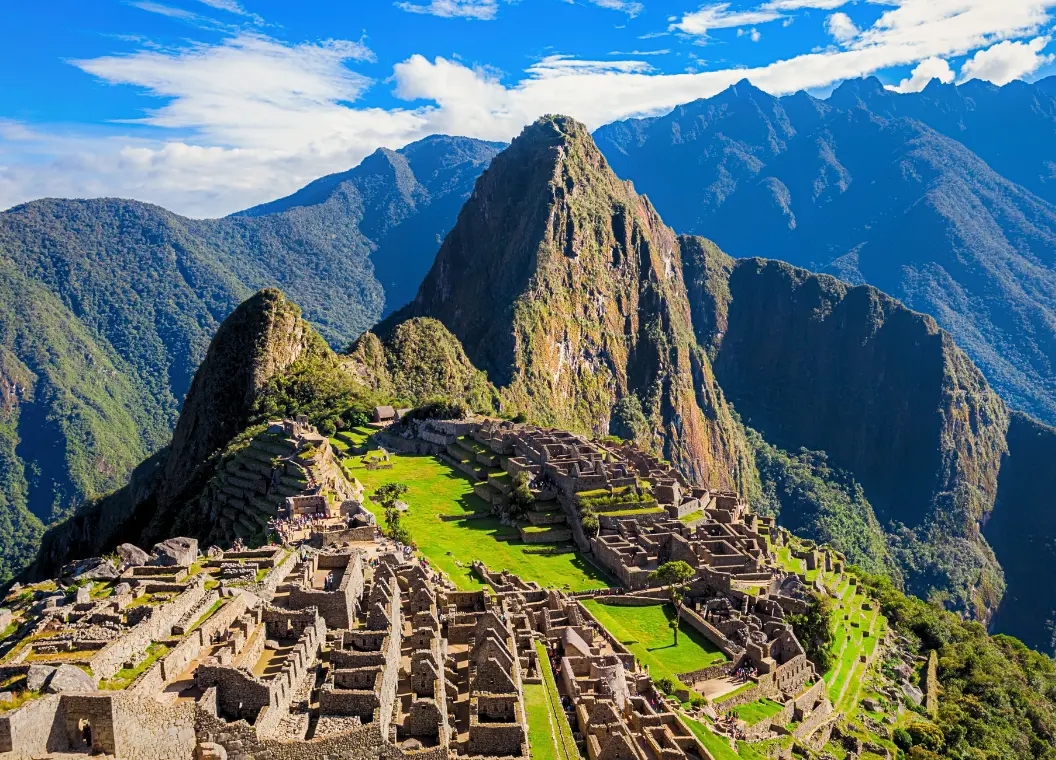
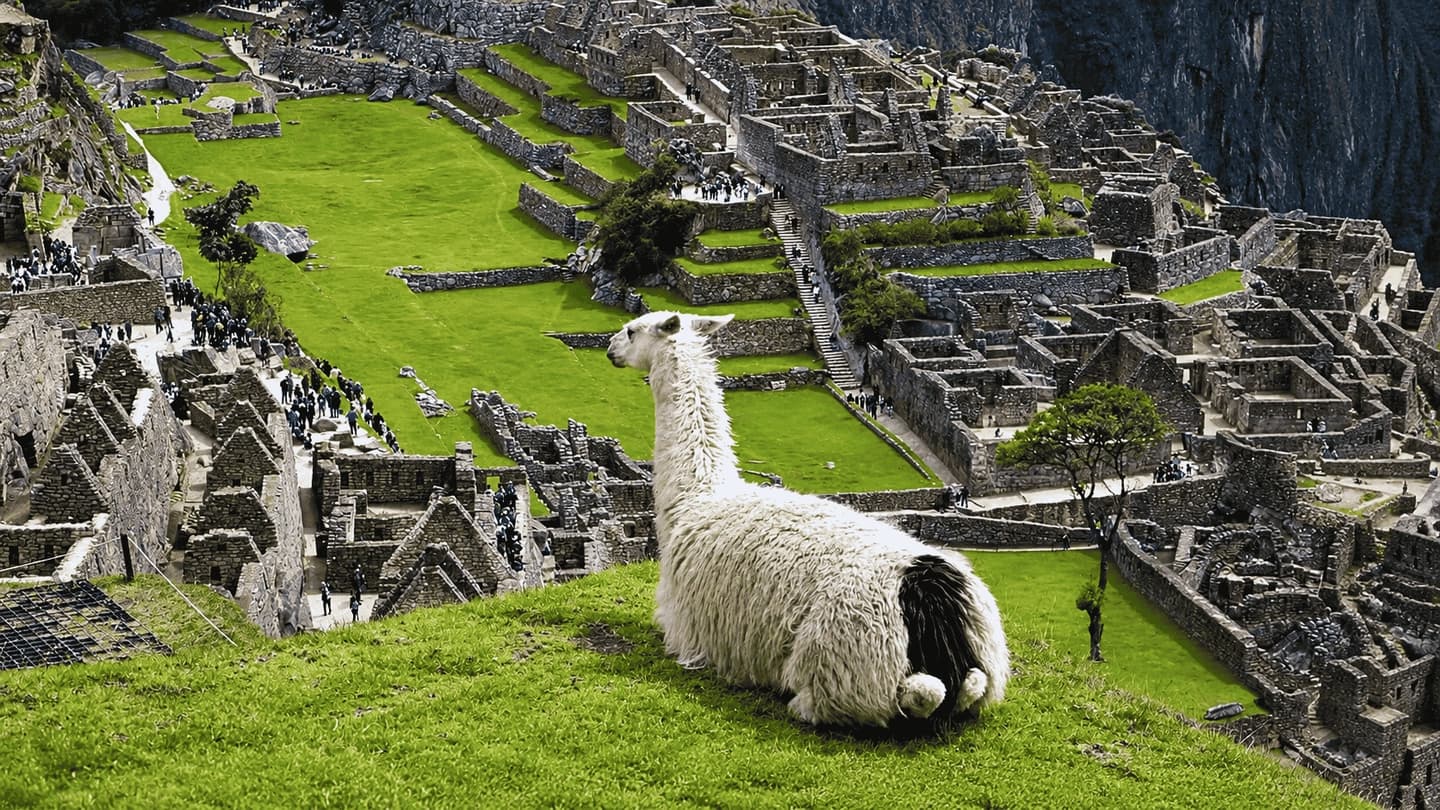
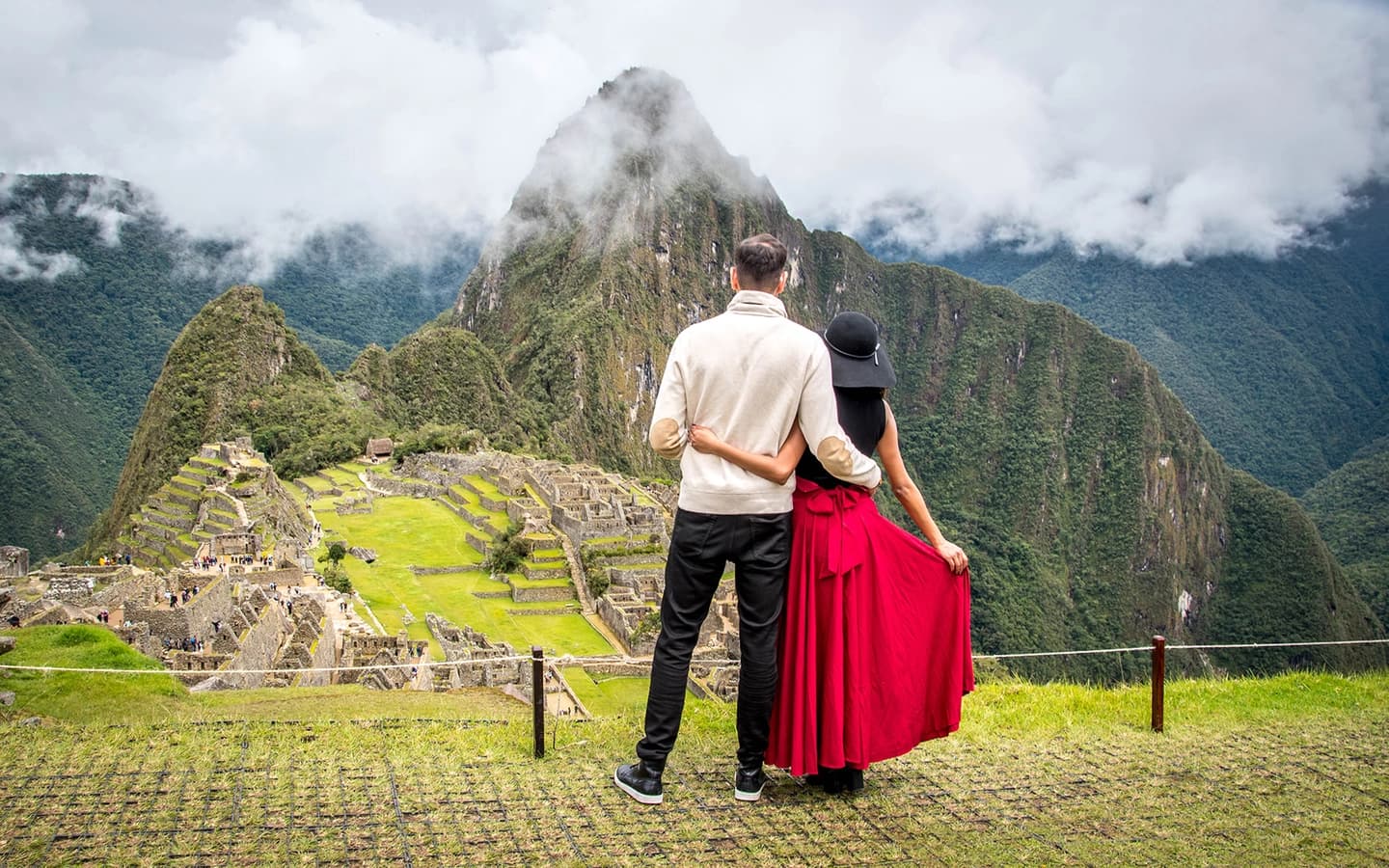
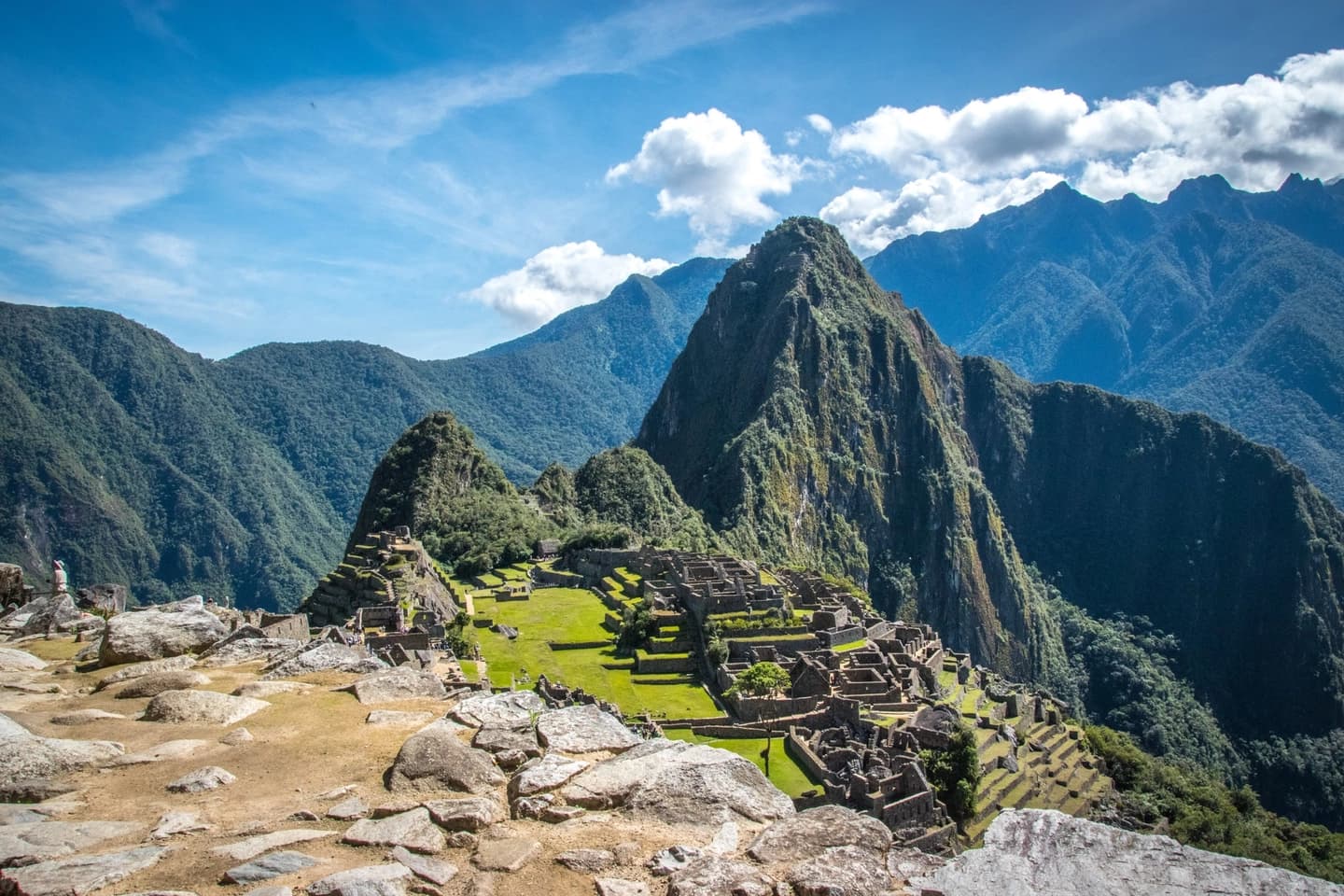
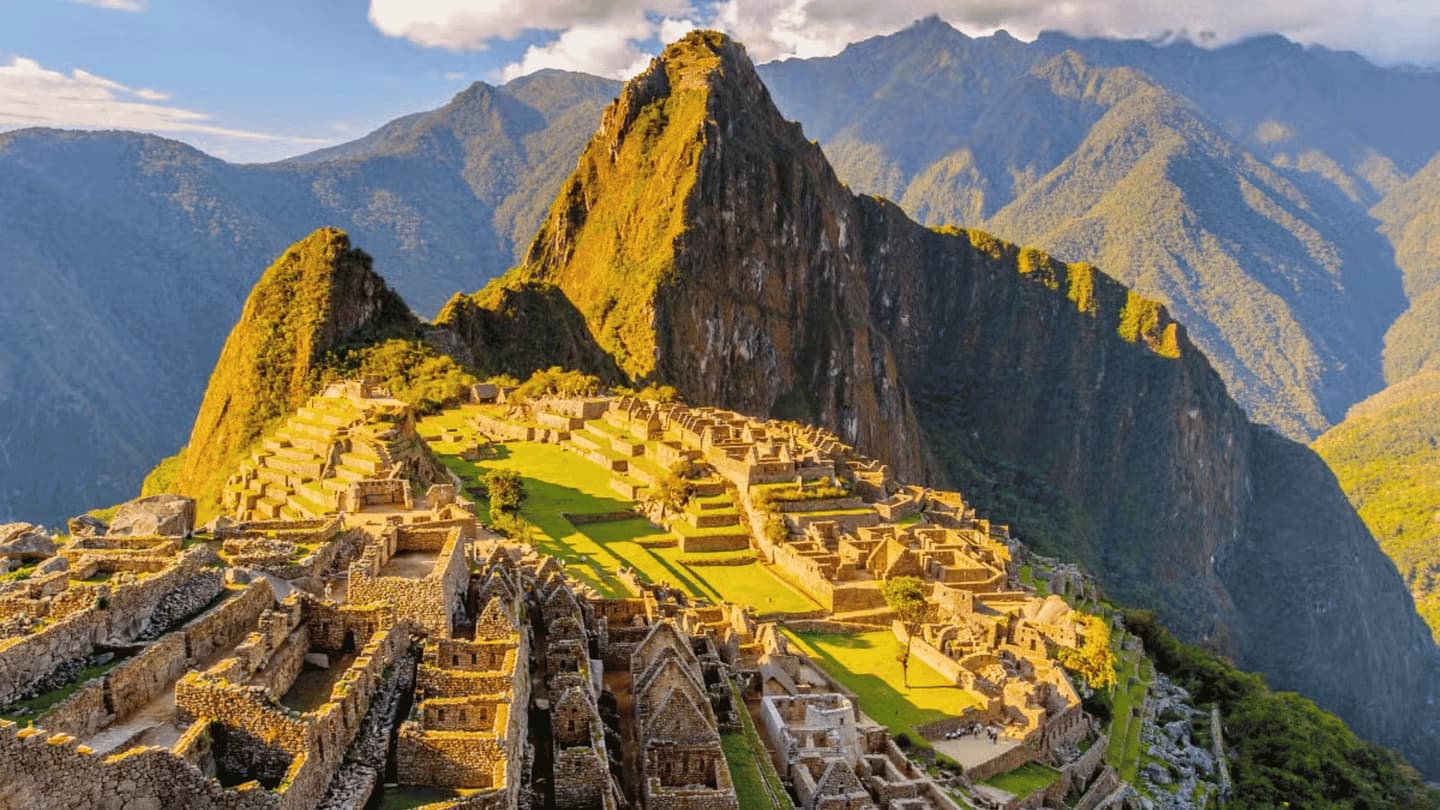
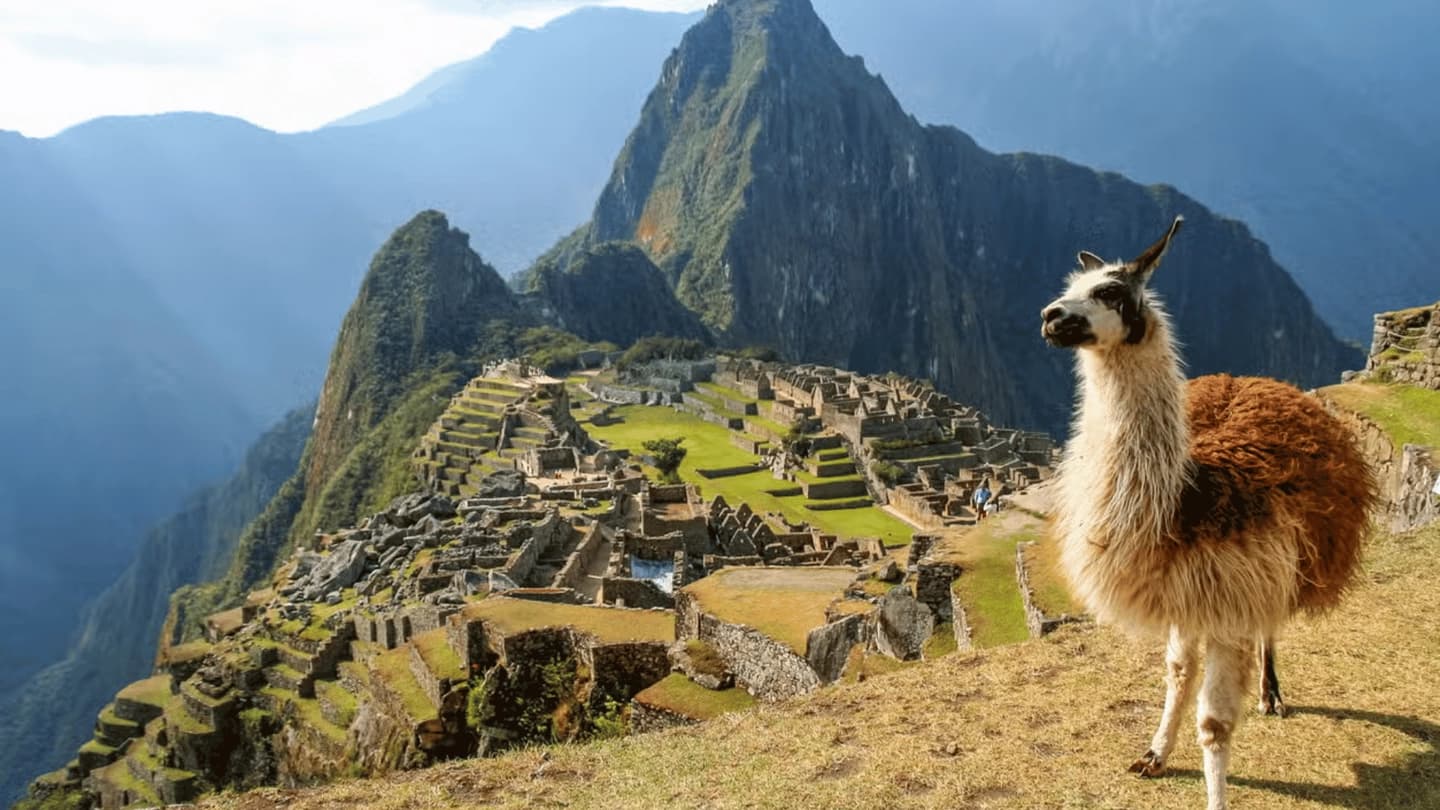
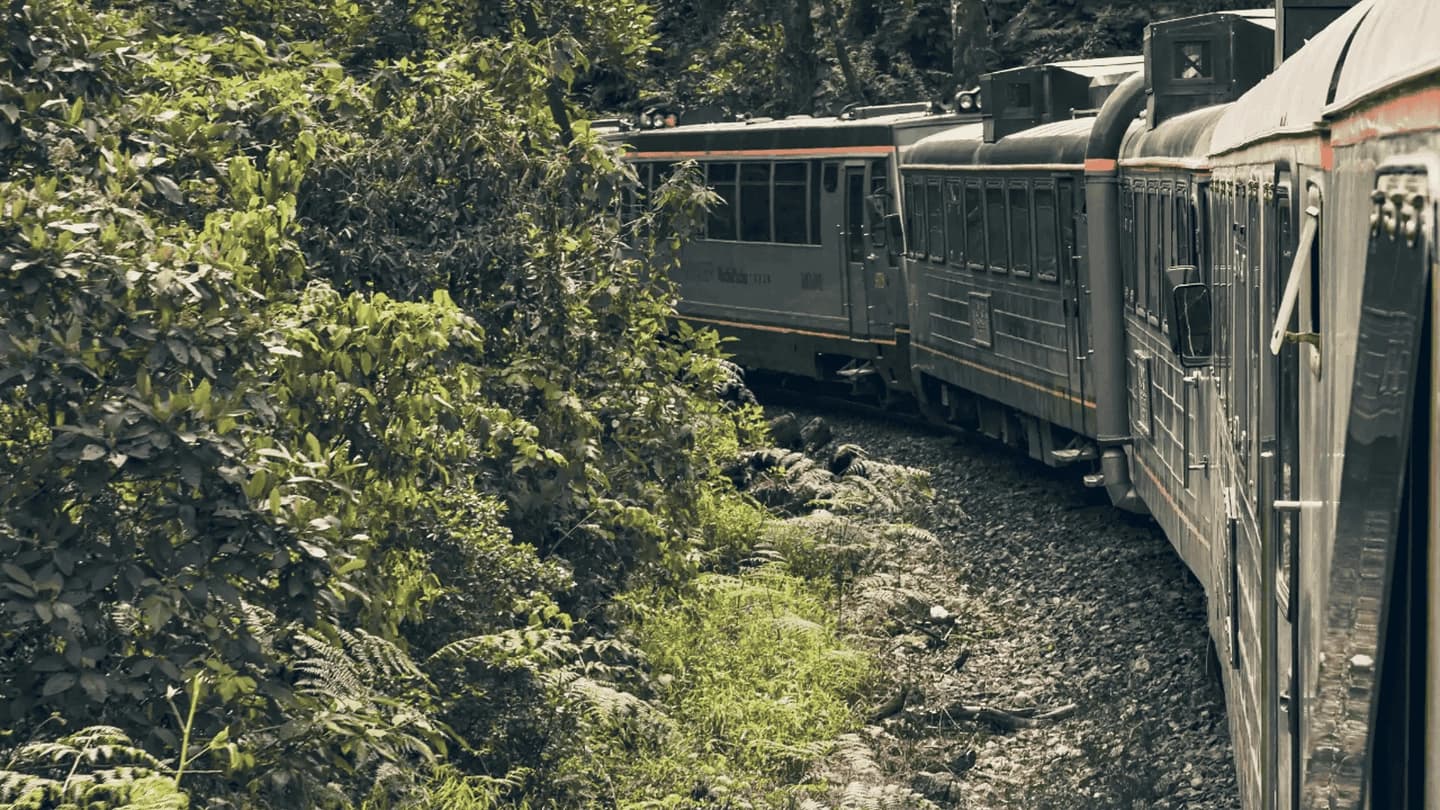
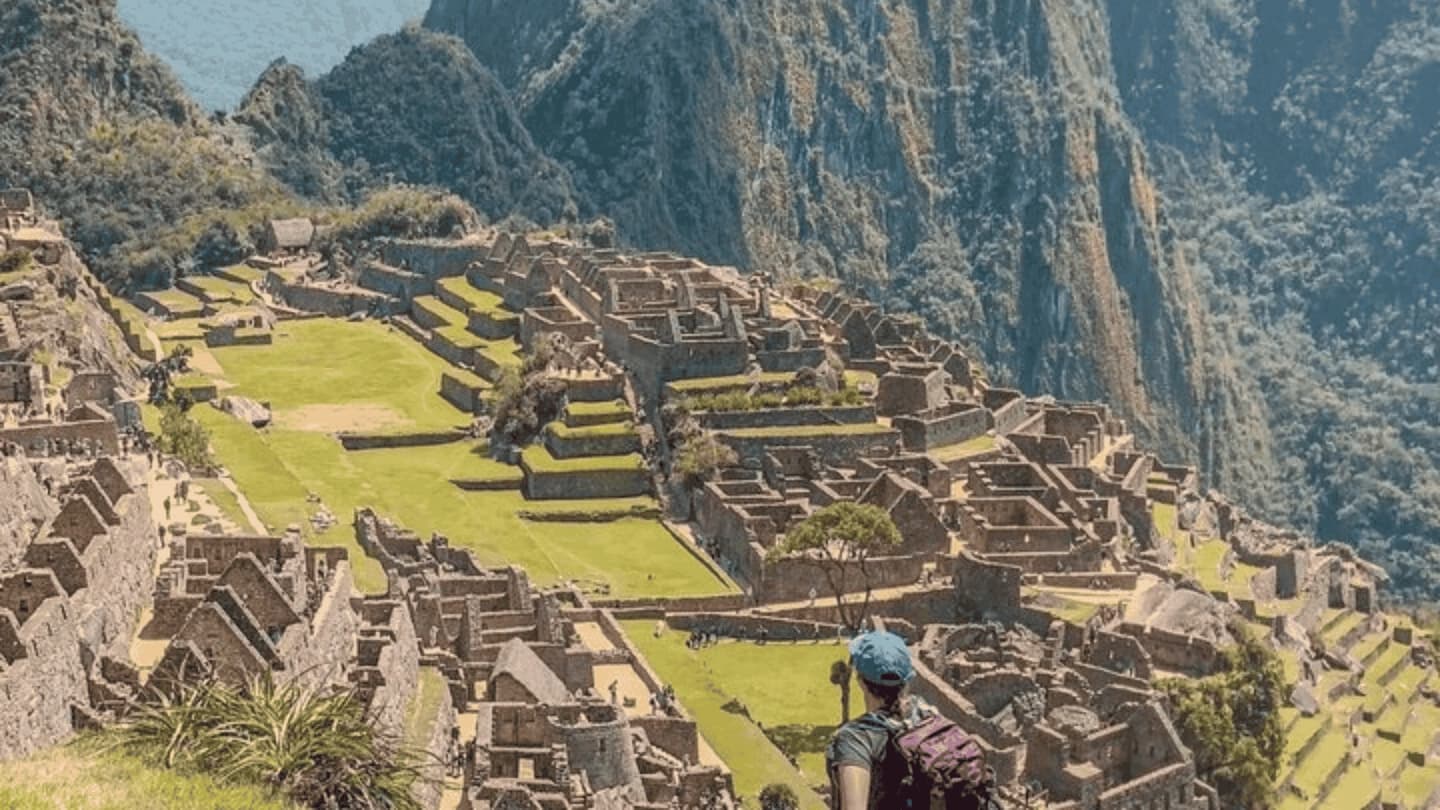
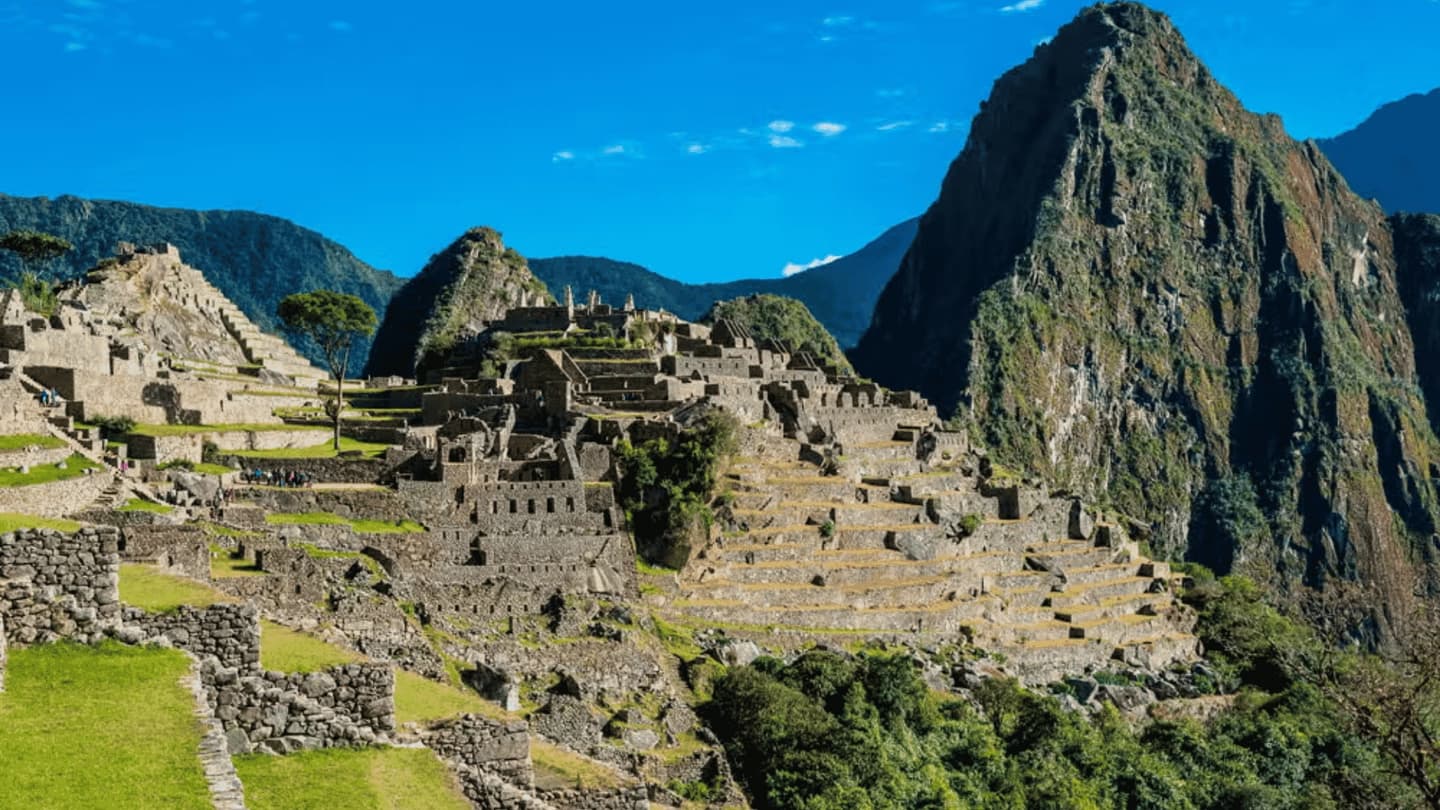
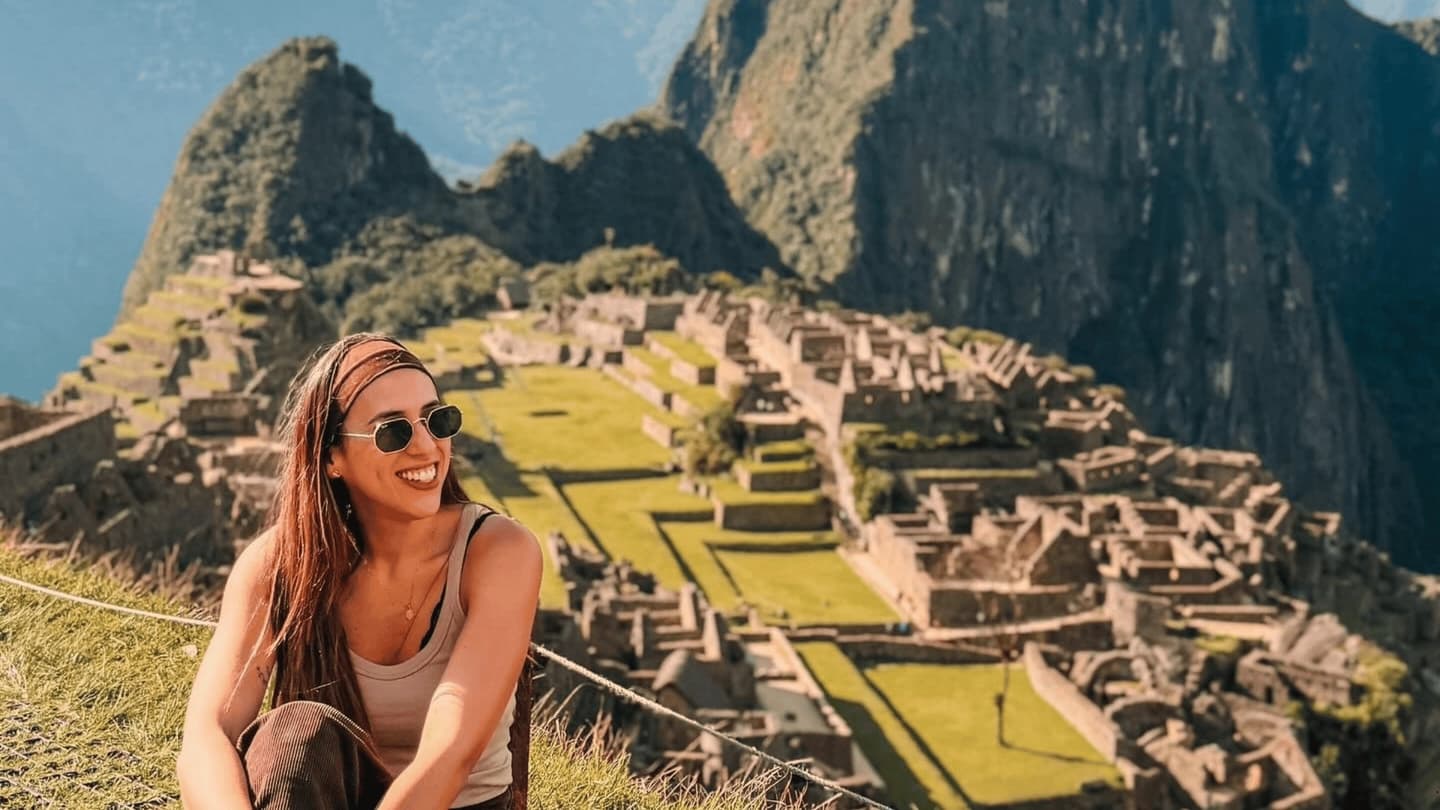
According to tourists who visited Machu Picchu, the must-see attractions that should not be missed on a first visit are: 1. The Inca Citadel of Machu Picchu, the iconic Inca citadel, a wonder of the ancient world and a UNESCO World Heritage Site. It is accessed by train to Aguas Calientes and then by bus or on foot. It is located at 2,438 meters above sea level. 2. Huayna Picchu, the mountain that rises behind the citadel, offering spectacular panoramic views. It is accessed via a steep trail from the citadel and requires an additional permit with limited availability. 3. Machu Picchu Mountain, a larger and less steep mountain than Huayna Picchu, also with stunning views. It is accessed via a trail from the citadel and allows for a broader view of the citadel. 4. Inti Punku (Sun Gate), the ancient entrance to Machu Picchu for those arriving via the Inca Trail. It offers the first iconic view of the citadel at sunrise and is a highlight of the Inca Trail. It is accessed by a hike from the citadel (part of circuit 4).
The top-rated activities by tourists in Machu Picchu are: 1. Explore the Inca Citadel: Tour the impressive ruins, temples, plazas, and terraces of this ancient Inca city. Established circuits must be followed, and a certified guide is mandatory. Approximate duration: 3-4 hours. 2. Hiking Huayna Picchu or Machu Picchu Mountain: Challenge the steep slopes for unparalleled panoramic views of the citadel and the valley. Requires additional permits and good physical condition. Approximate duration: 3-4 hours (Huayna Picchu), 4-5 hours (Machu Picchu Mountain). 3. Trekking the Inca Trail: Walk along ancient Inca routes that culminate at Machu Picchu, experiencing spectacular landscapes. There are various routes from 2 to 5 days, with very limited permits. Approximate duration: 2-5 days. 4. Visit the town of Aguas Calientes: Explore the bustling base town of Machu Picchu, with markets, restaurants, and hot springs. It is the main gateway to the citadel. Approximate duration: Half a day. 5. Birdwatching and flora: Discover the rich biodiversity of the Machu Picchu Historical Sanctuary, home to numerous species of birds and plants. The sanctuary hosts 24 different wild ecosystems. Approximate duration: Variable.
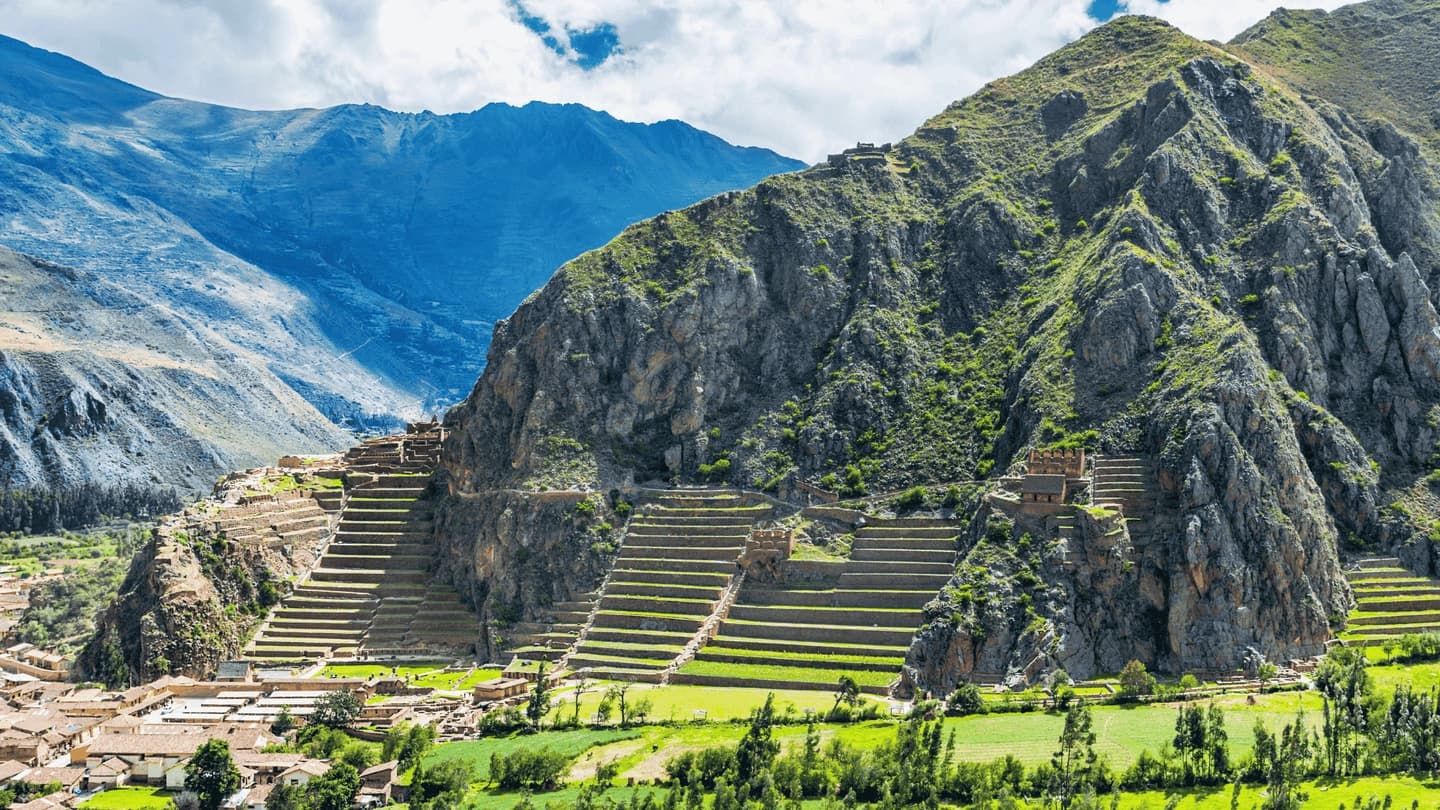
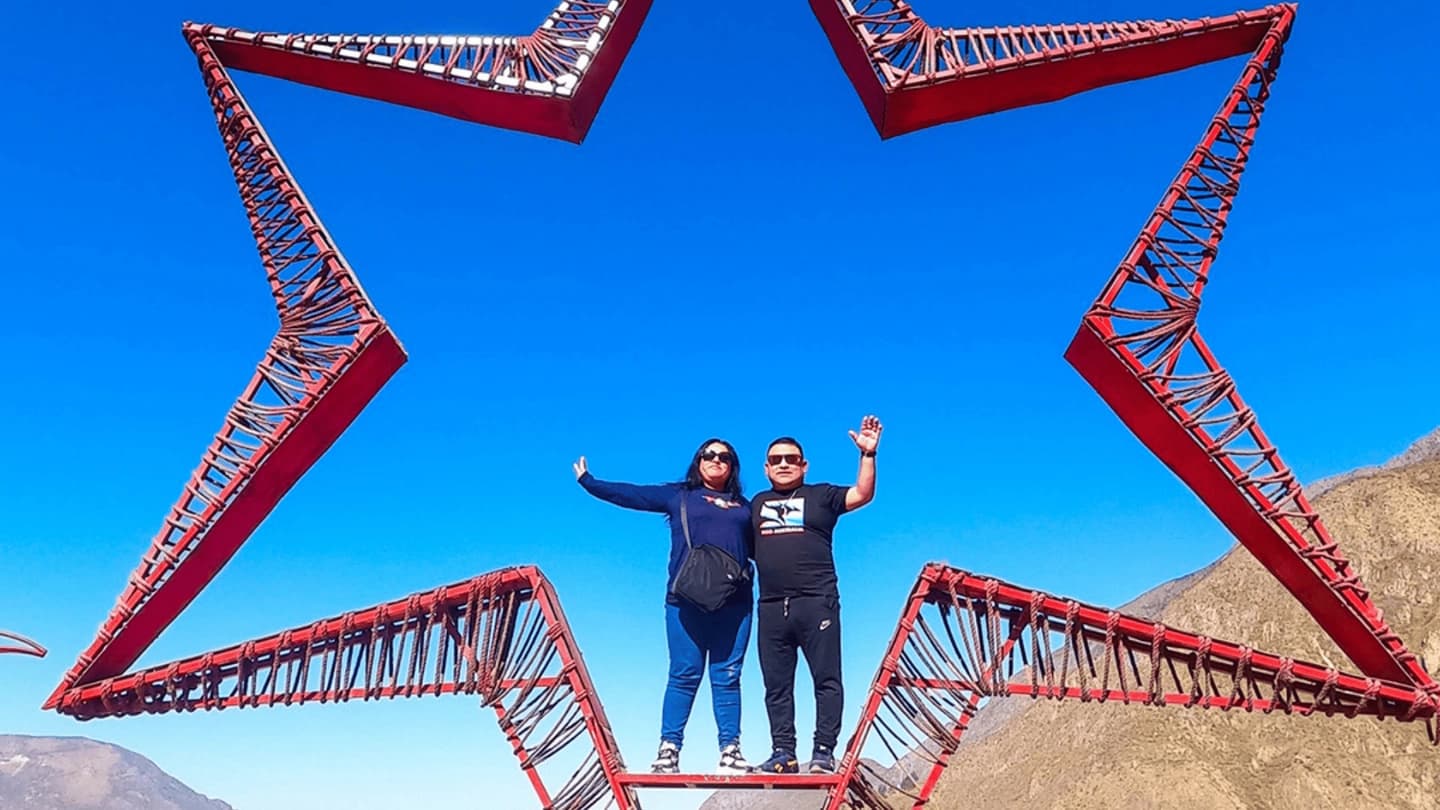
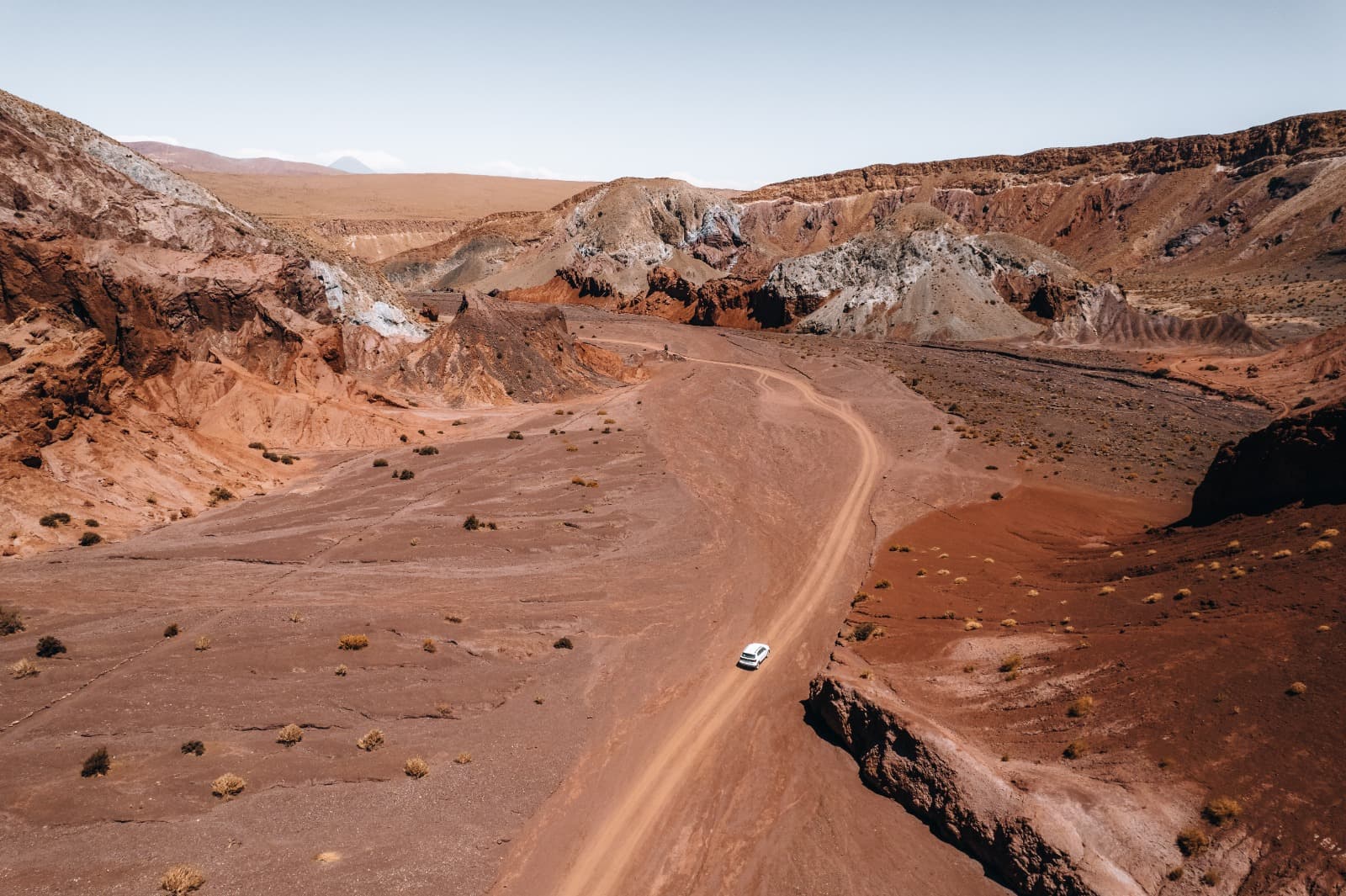
The following day trips can be taken from Machu Picchu: 1. Sacred Valley of the Incas: 80 km away, with a travel time of 2-3 hours by bus/car from Cusco (Machu Picchu is in the Sacred Valley). Archaeological sites such as Ollantaytambo, Pisac, Chinchero, and local markets can be seen. It is the heart of the Inca Empire, with impressive agricultural terraces and fortresses. Access is by train from Aguas Calientes to Ollantaytambo, then by bus or taxi. Best for those interested in Inca history and culture. 2. Cusco: 73 km away, with a travel time of 3.5-4 hours by train from Aguas Calientes. You can see the Plaza de Armas, Sacsayhuamán, Qorikancha, and San Blas. It was the ancient capital of the Inca Empire, with a rich mix of Inca and colonial architecture. Access is by train from Aguas Calientes. Best for historical and cultural exploration. 3. Rainbow Mountain (Vinicunca): 100 km away, with a travel time of 3-4 hours by bus/car from Cusco. You can see spectacular Andean landscapes and the colorful mountain. The geological formations are unique due to mineralization. Access is via an organized tour from Cusco. Best for adventurers and nature lovers.
To visit the main attractions of Machu Picchu, it is recommended to spend between 1 and 3 days. One day is sufficient to see the main citadel, but two days allow for a more leisurely exploration, including climbing an optional mountain and visiting Aguas Calientes. Three days provide a more relaxed experience or the option to include a short hike. The suggested itinerary is: Day 1: Travel to Aguas Calientes and visit the citadel. Day 2: Hike Huayna Picchu or Machu Picchu Mountain, and return to Cusco. Day 3 (optional): Explore Aguas Calientes or take a short hike. Factors to consider include the size and significance of the archaeological site, the availability of optional activities (Huayna Picchu, Machu Picchu Mountain), travel time to and from Cusco, and the desired pace of the visit (relaxed vs. intensive).
The high season is from June to August, with dry and sunny weather but cold nights (minimum temperature of 0°C, maximum of 20°C). It is the most expensive time, with accommodation and flight prices potentially doubling. The low season is from November to March, with rainy weather and milder nighttime temperatures (minimum of 5°C, maximum of 18°C). Prices are 20-30% cheaper than in the high season. The ideal season is from April to May and from September to October, with temperatures between 2°C and 22°C, offering a good balance between pleasant weather and lower tourist influx, with prices 10-20% lower than in the high season.
Traveling to Machu Picchu is considered moderately expensive. The estimated daily budget for a backpacker is USD 50-80, for a mid-range traveler it is USD 100-200, and for a comfort traveler it is USD 250-500. Reference costs are: average restaurant meal S/ 50-80 (USD 14-22), budget meal S/ 20-30 (USD 5-8), public transport S/ 1-5 (USD 0-1.35), entrance to the citadel S/ 152 (USD 41), budget accommodation per night S/ 50-100 (USD 14-27), and mid-range accommodation per night S/ 200-400 (USD 54-108). An example budget for 5 days is around USD 500-1000. Machu Picchu is one of the most expensive destinations in Peru due to its global popularity and access logistics.
Free attractions include the town of Aguas Calientes and the Aguas Calientes Craft Market. Free tours are exploring the town of Aguas Calientes and visiting the Aguas Calientes hot springs (with a minimal entrance fee). For guided tours, Tur.com highlights: Machu Picchu: Small Group Guided Tour from USD 45, Sacred Valley of the Incas: Full Day Tour from USD 40, and Rainbow Mountain: Full Day Tour from USD 35.