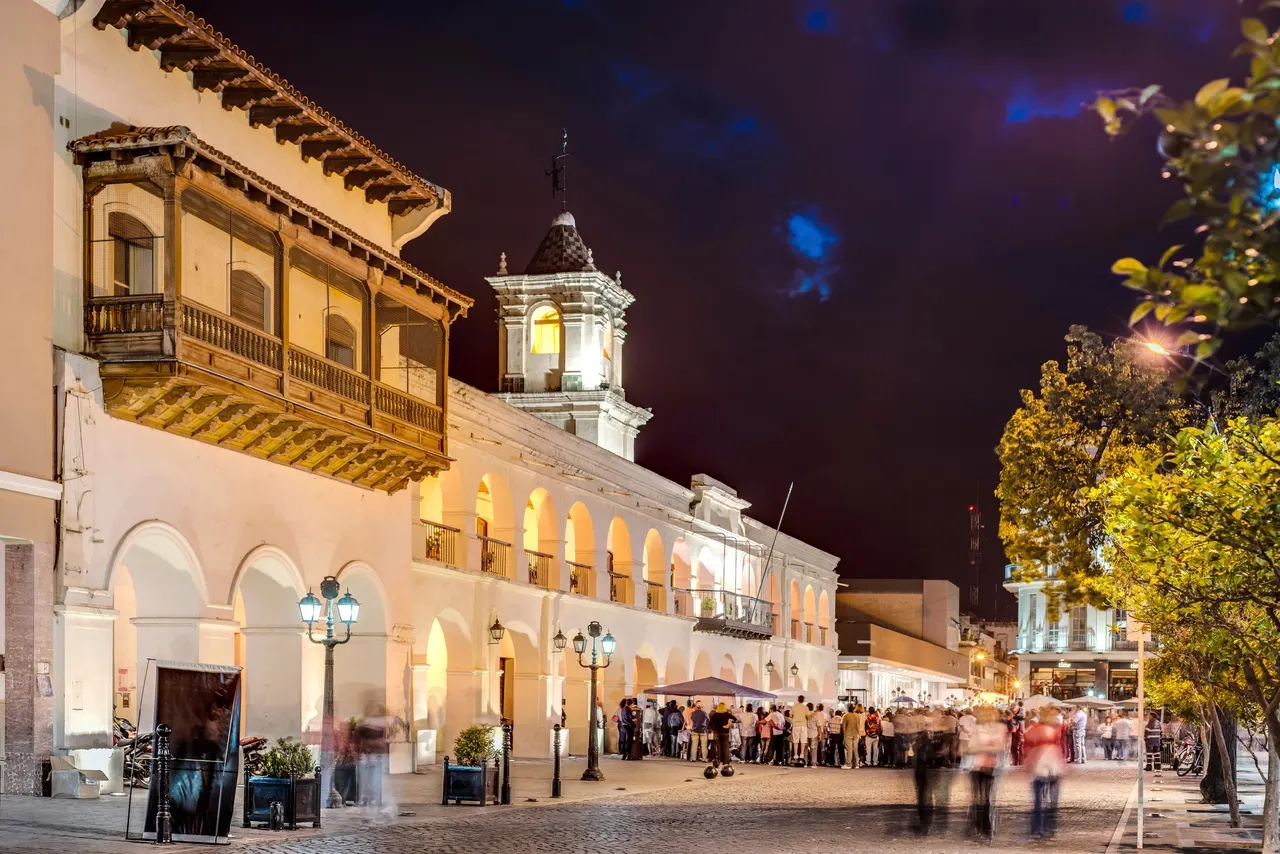
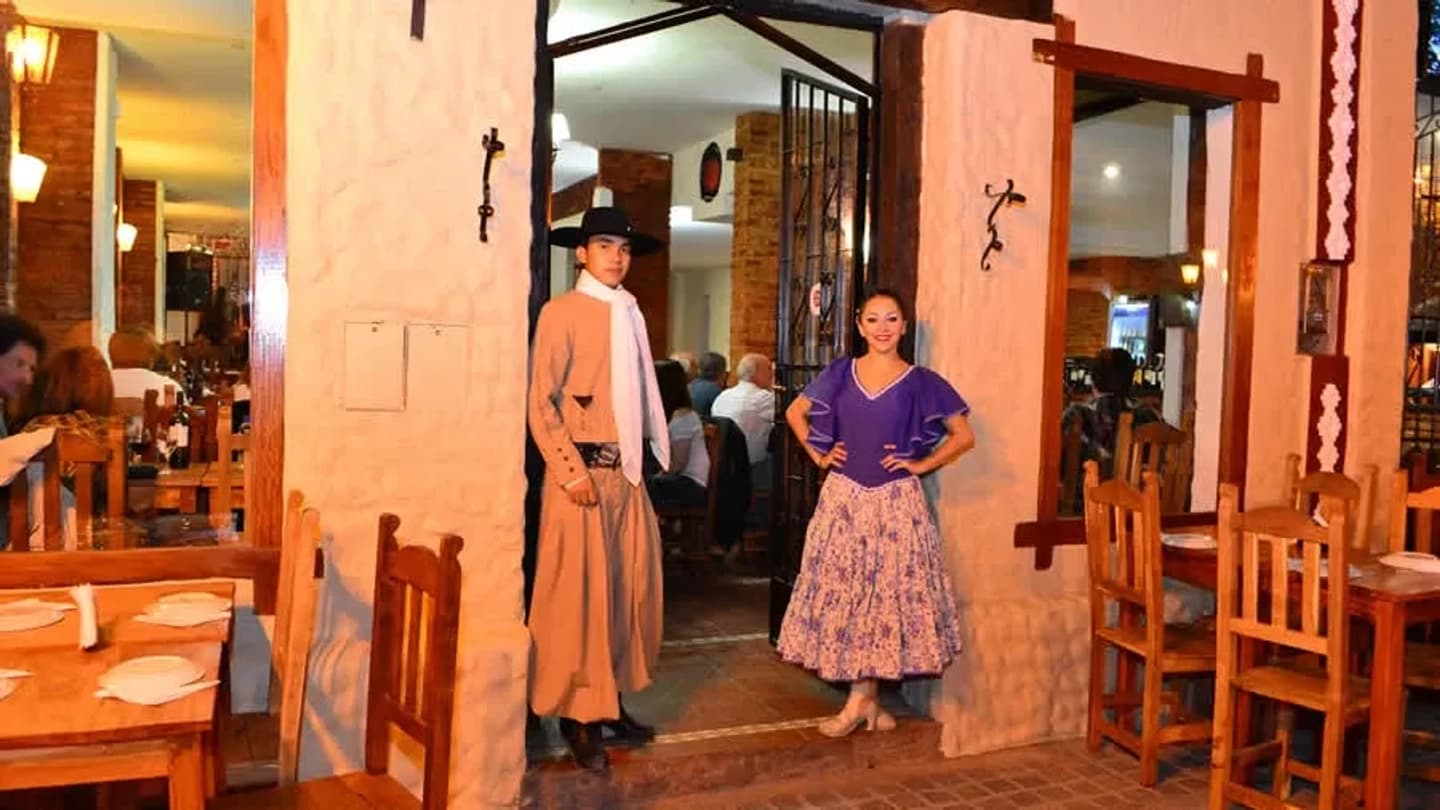
According to tourists who visited Salta, the must-do activities on a first visit are: 1. Visit the City of Salta, known as 'La Linda,' with its well-preserved colonial historic center and vibrant nightlife. It’s the ideal starting point to explore the region, located at 1,187 meters above sea level. You can get around on foot, by public transport, taxis, Uber, or Didi. 2. Go up to Cerro San Bernardo to enjoy panoramic views of the Lerma Valley. You can access it by cable car, on foot, or by vehicle. 3. Explore Mercado San Miguel, a historic market where you can find regional products, crafts, and local cuisine. It’s accessible on foot from the city center. 4. Attend folk music gatherings (peñas) to experience a deep cultural immersion in the traditions of northern Argentina, with multiple options for food and music. Various locations in the city host these events. The suggested itinerary for the first day is to explore the historic center of the City of Salta, go up to Cerro San Bernardo, visit Mercado San Miguel, and enjoy a folk music gathering in the evening. It’s recommended to walk around the historic center and take advantage of the culinary and musical offerings of Salta's nightlife.
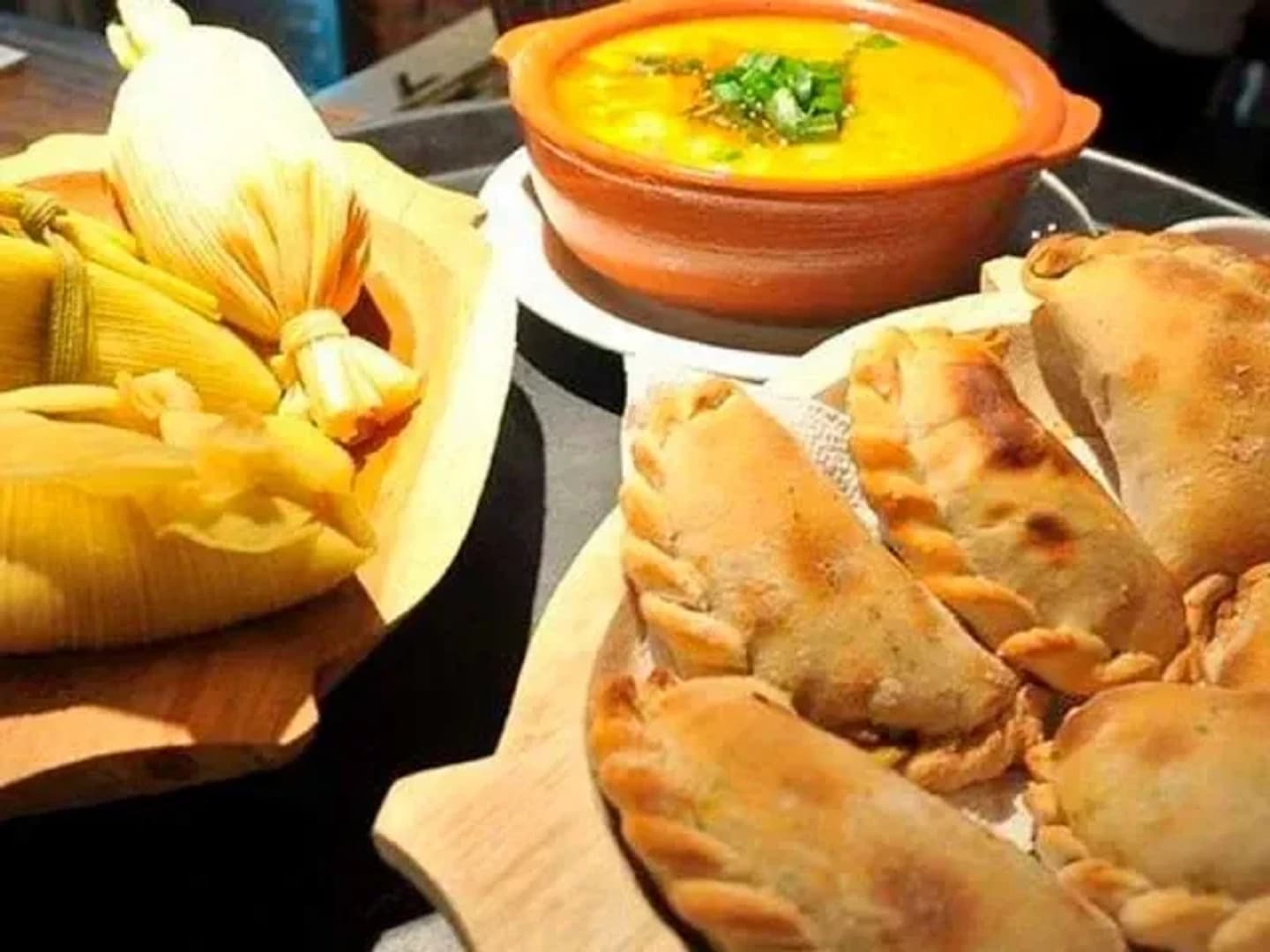
The top-rated activities by tourists in Salta are: 1. Explore the City of Salta, 'La Linda,' with its colonial historic center and nightlife. Located at 1,187 meters above sea level, it offers history, architecture, and culture. 2. Enjoy panoramic views from Cerro San Bernardo, an ideal viewpoint to capture the local geography. 3. Taste regional products and local cuisine at Mercado San Miguel, experiencing local life. 4. Experience folk music gatherings (peñas), a cultural immersion in traditional Argentine music and dance. 5. Walk through the historic center to appreciate its colonial architecture.
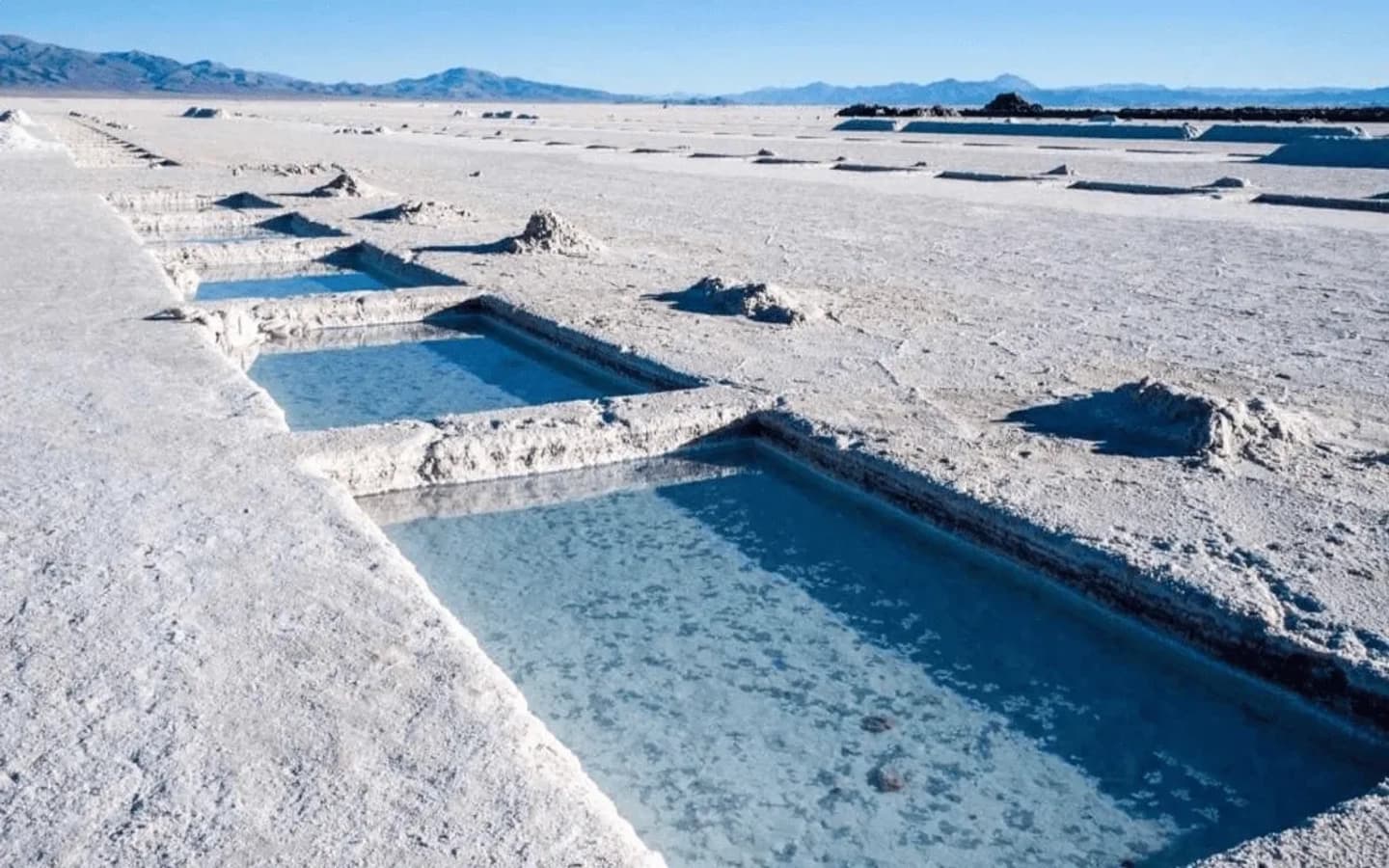
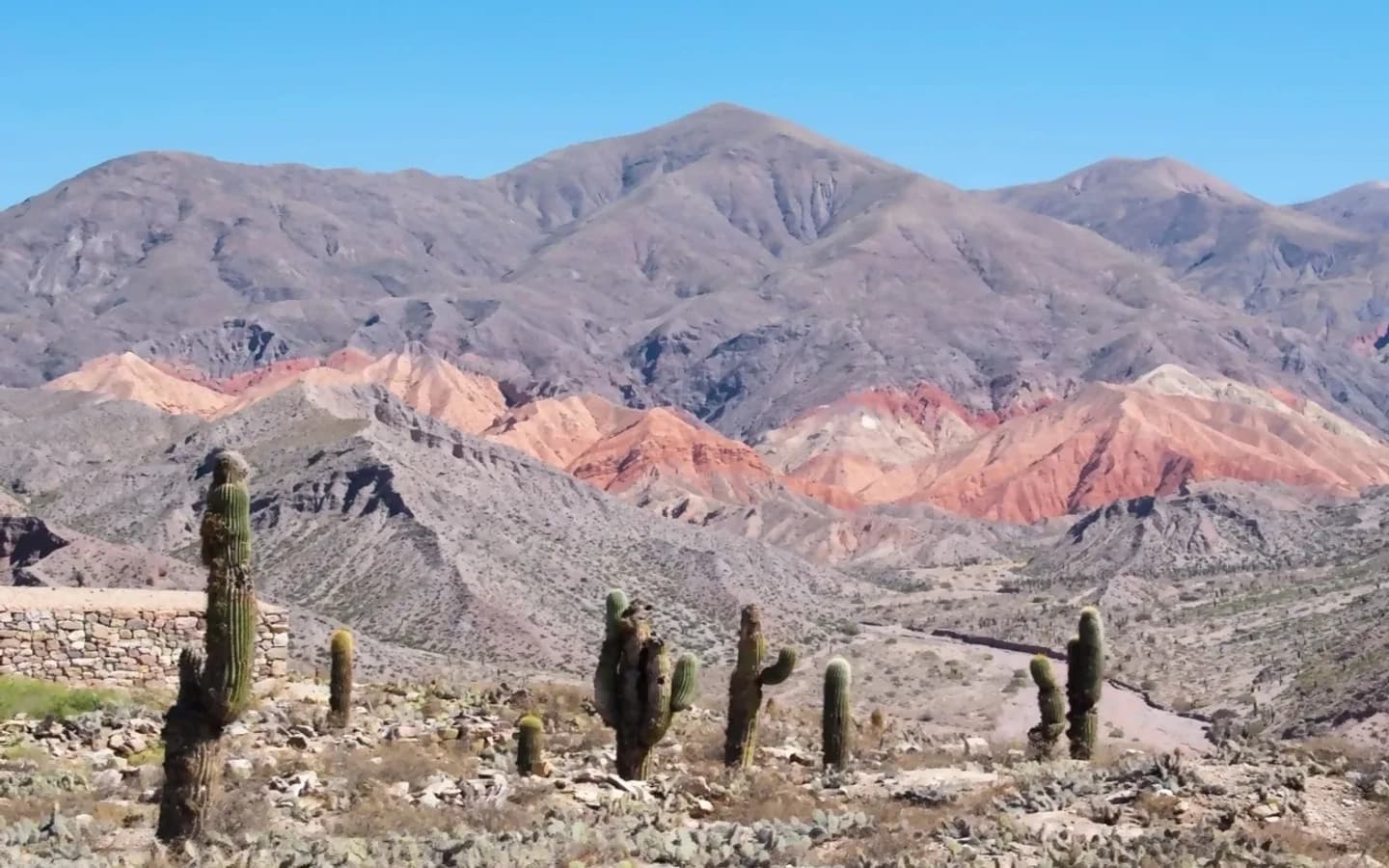
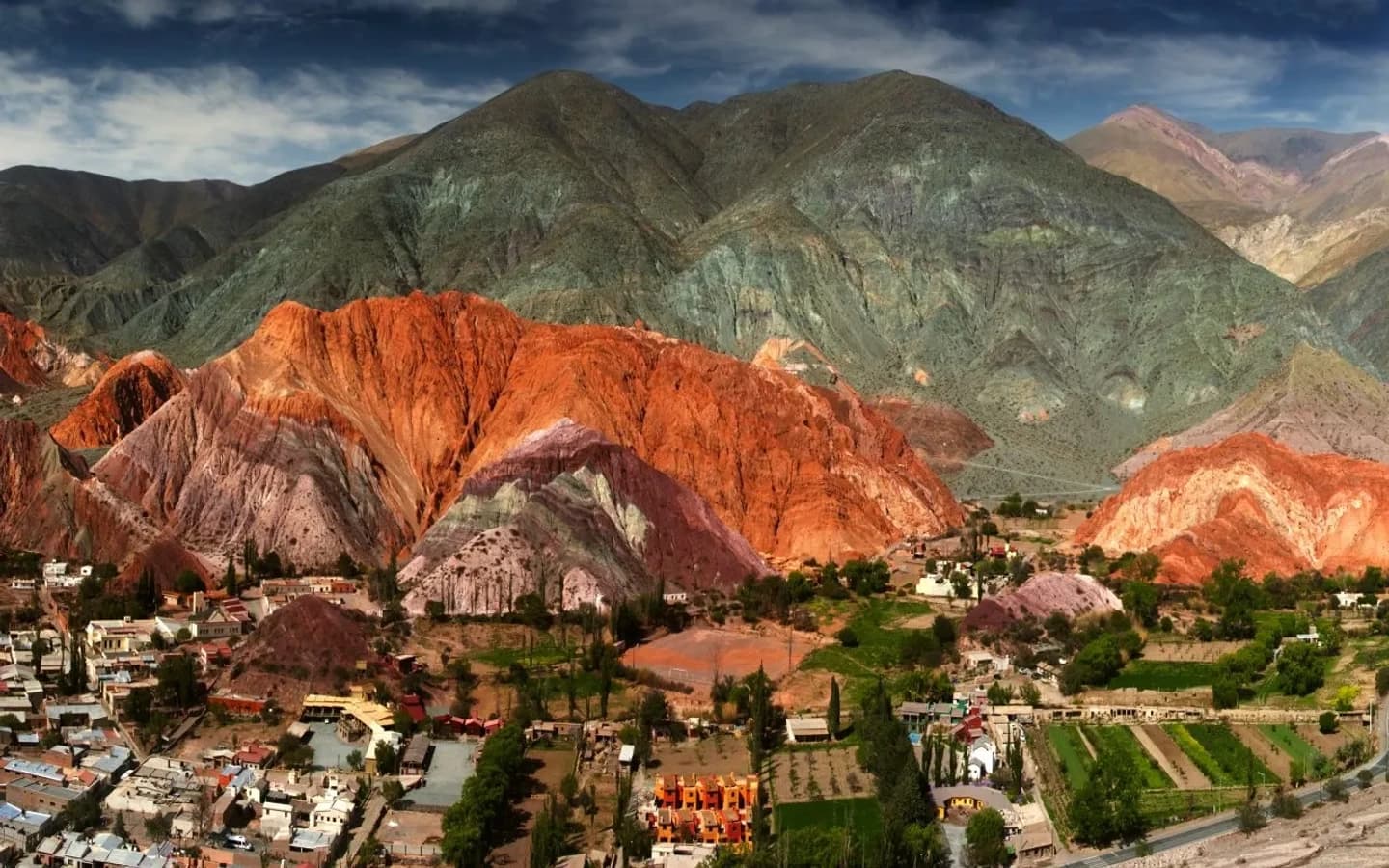
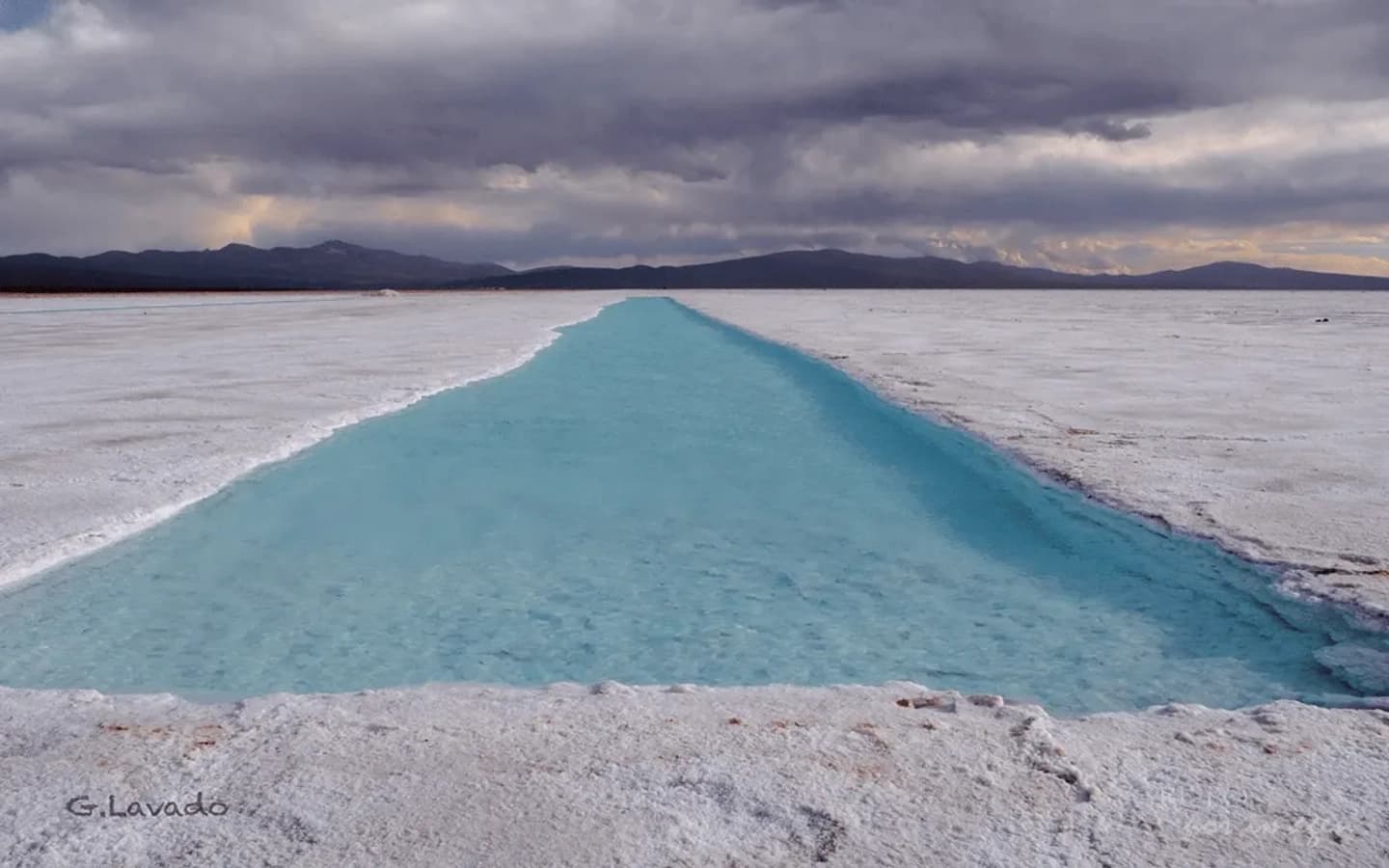
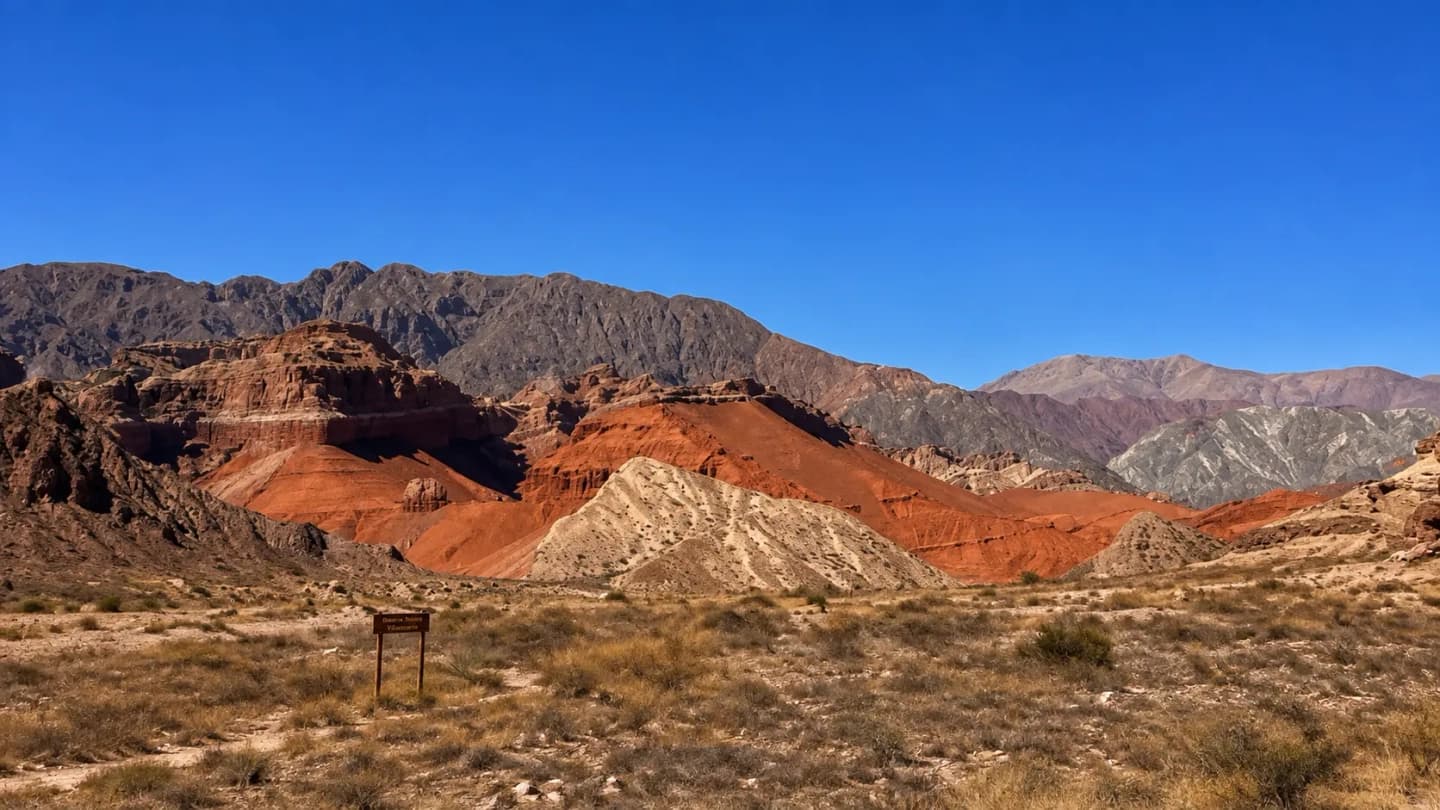
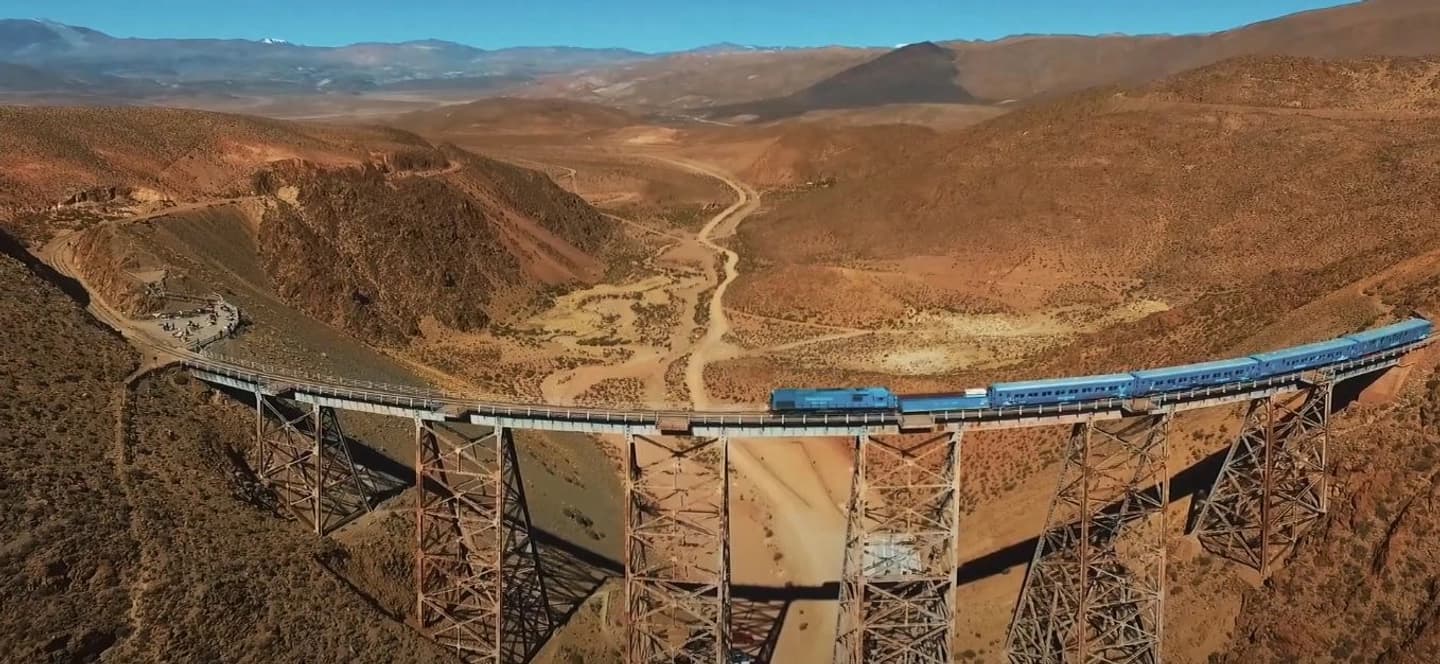
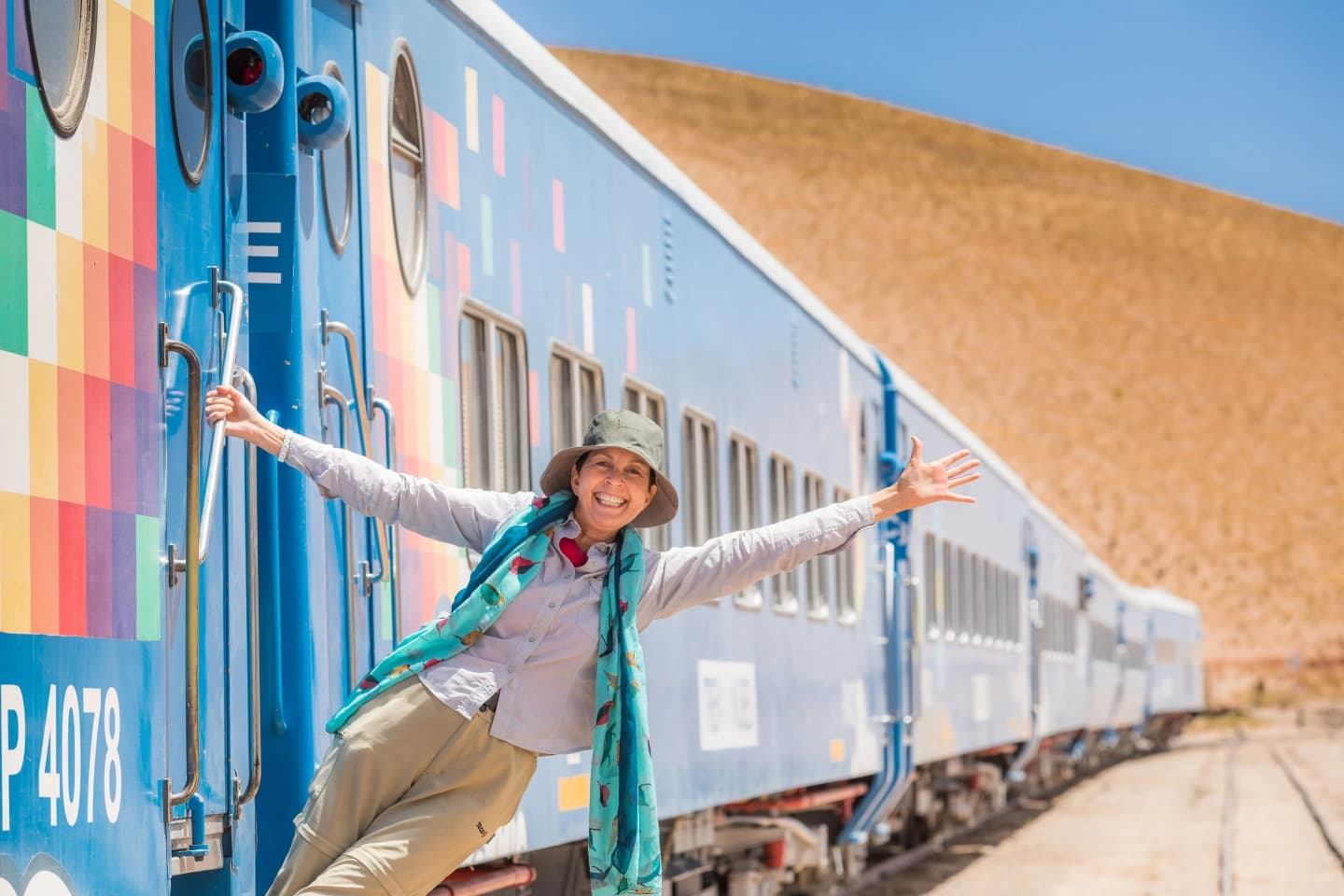
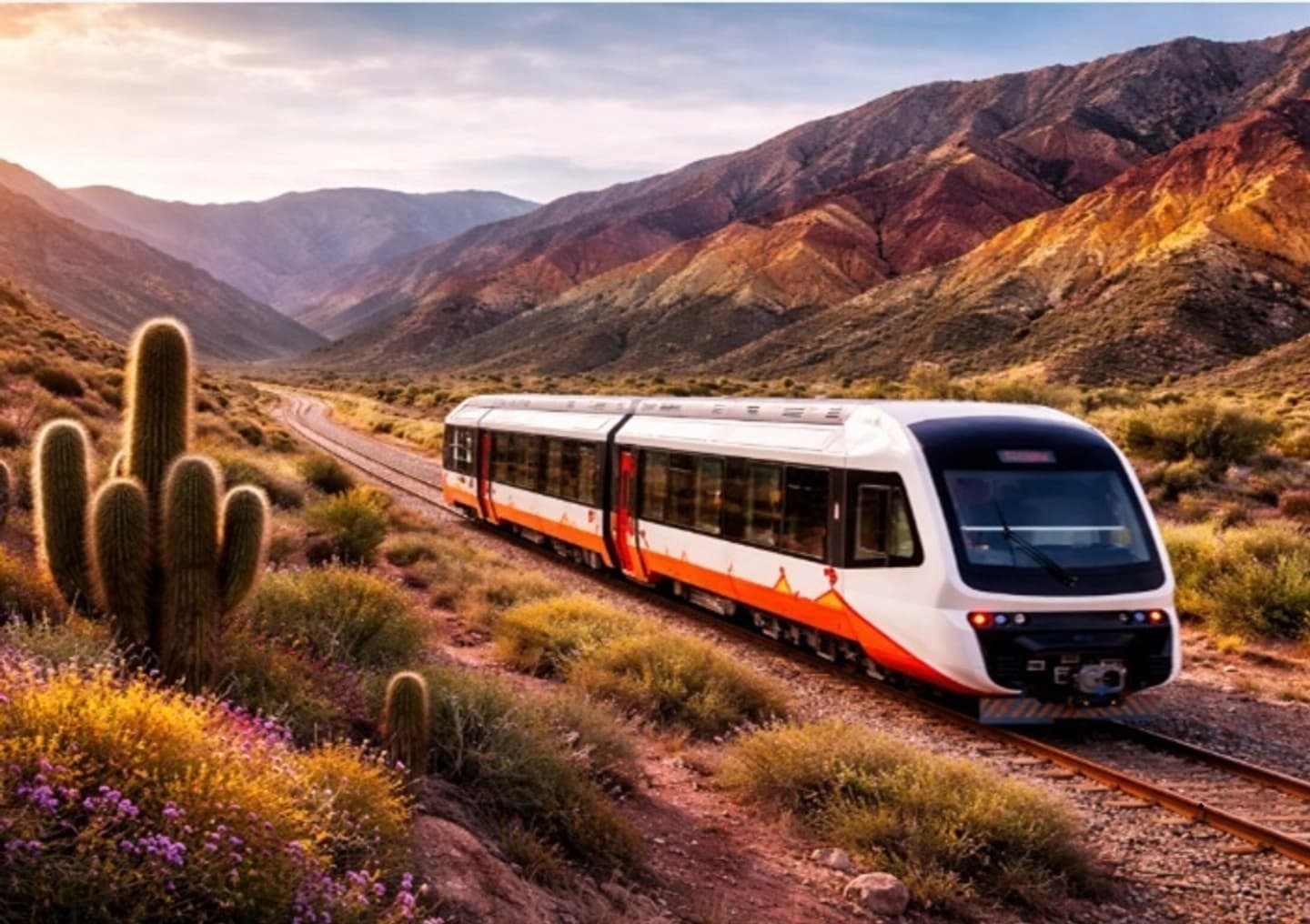
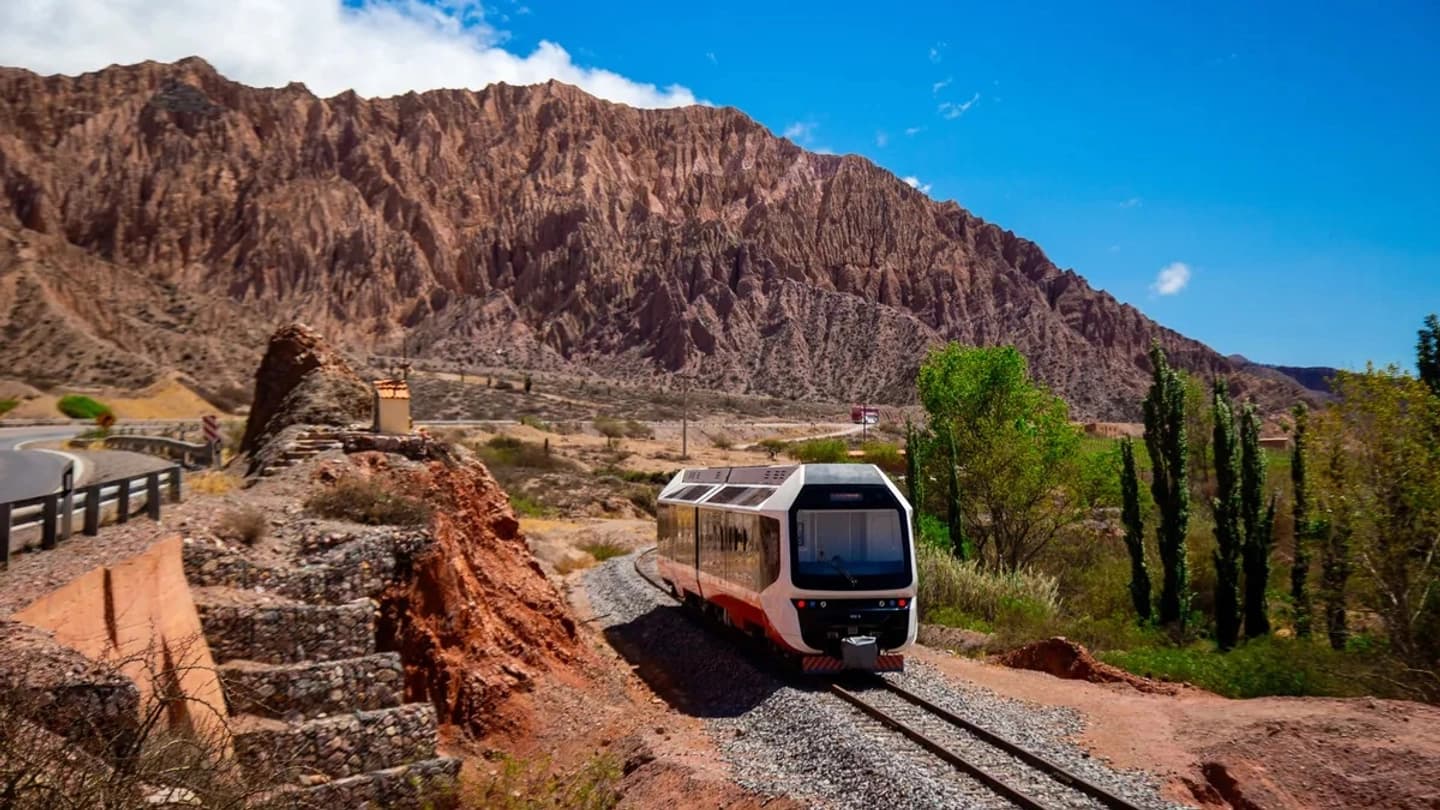
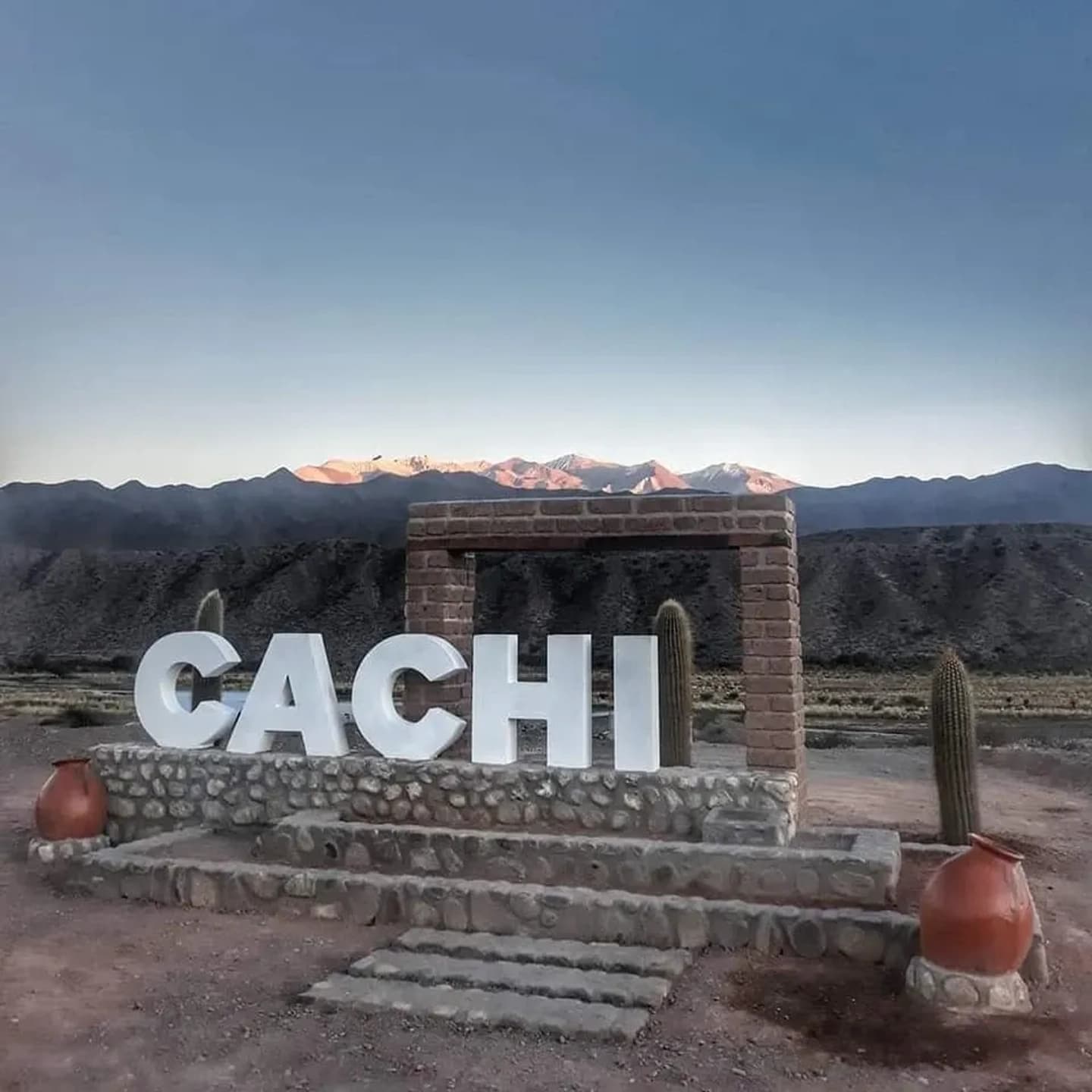
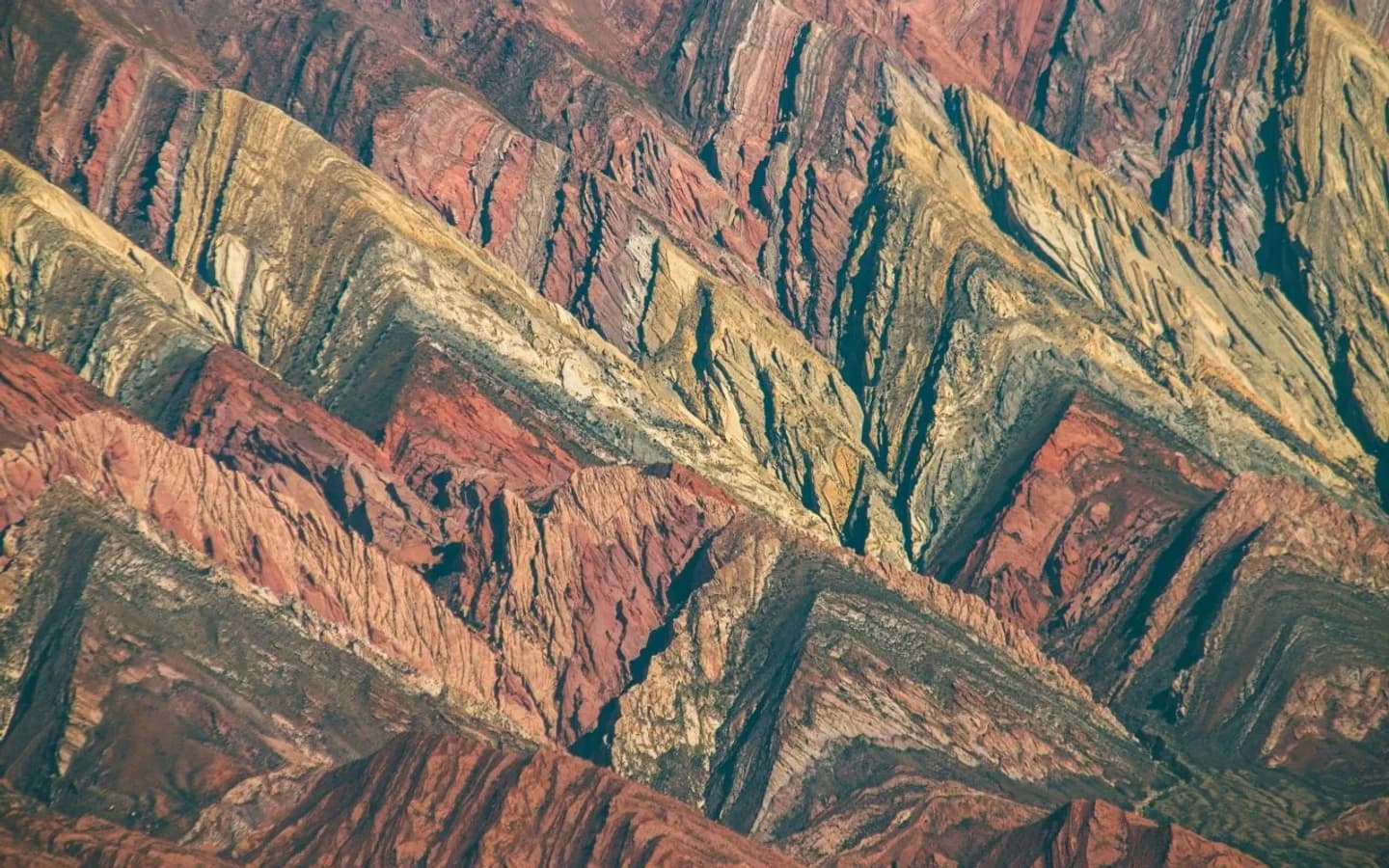
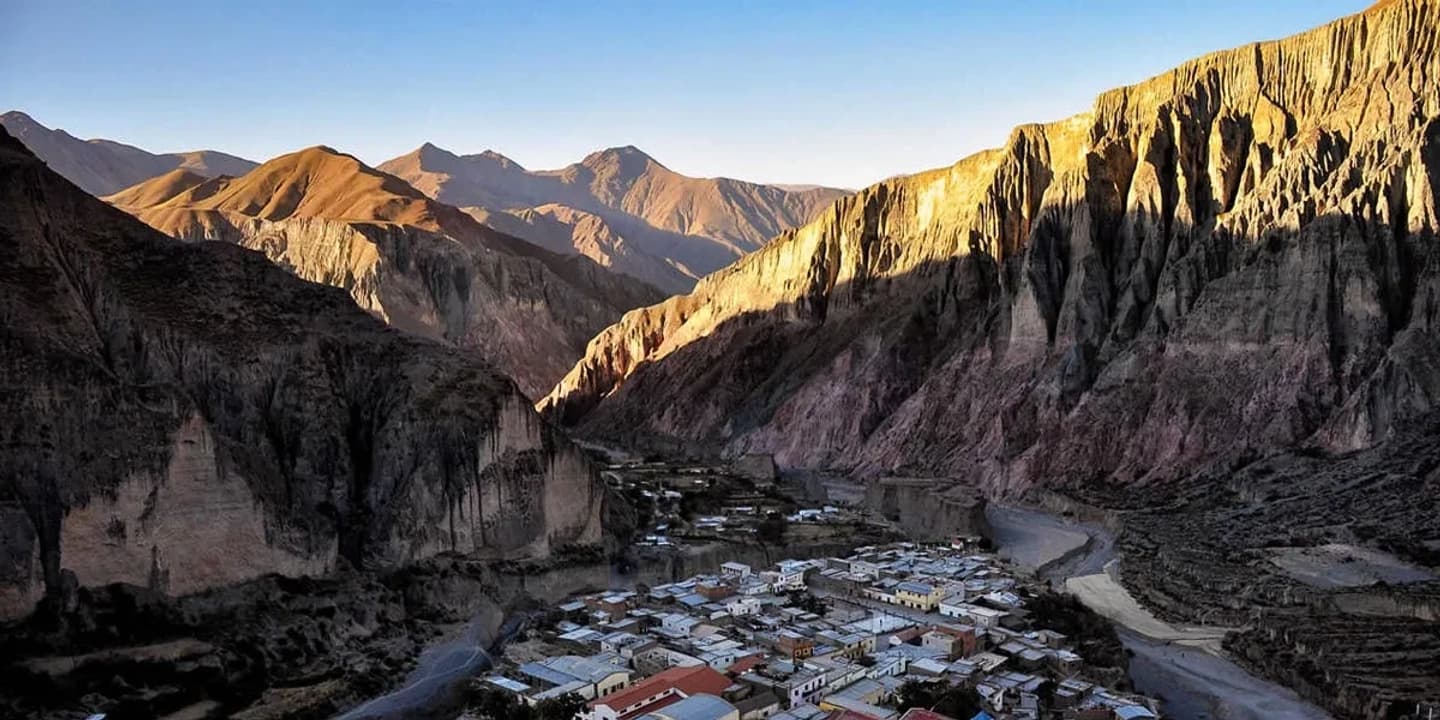
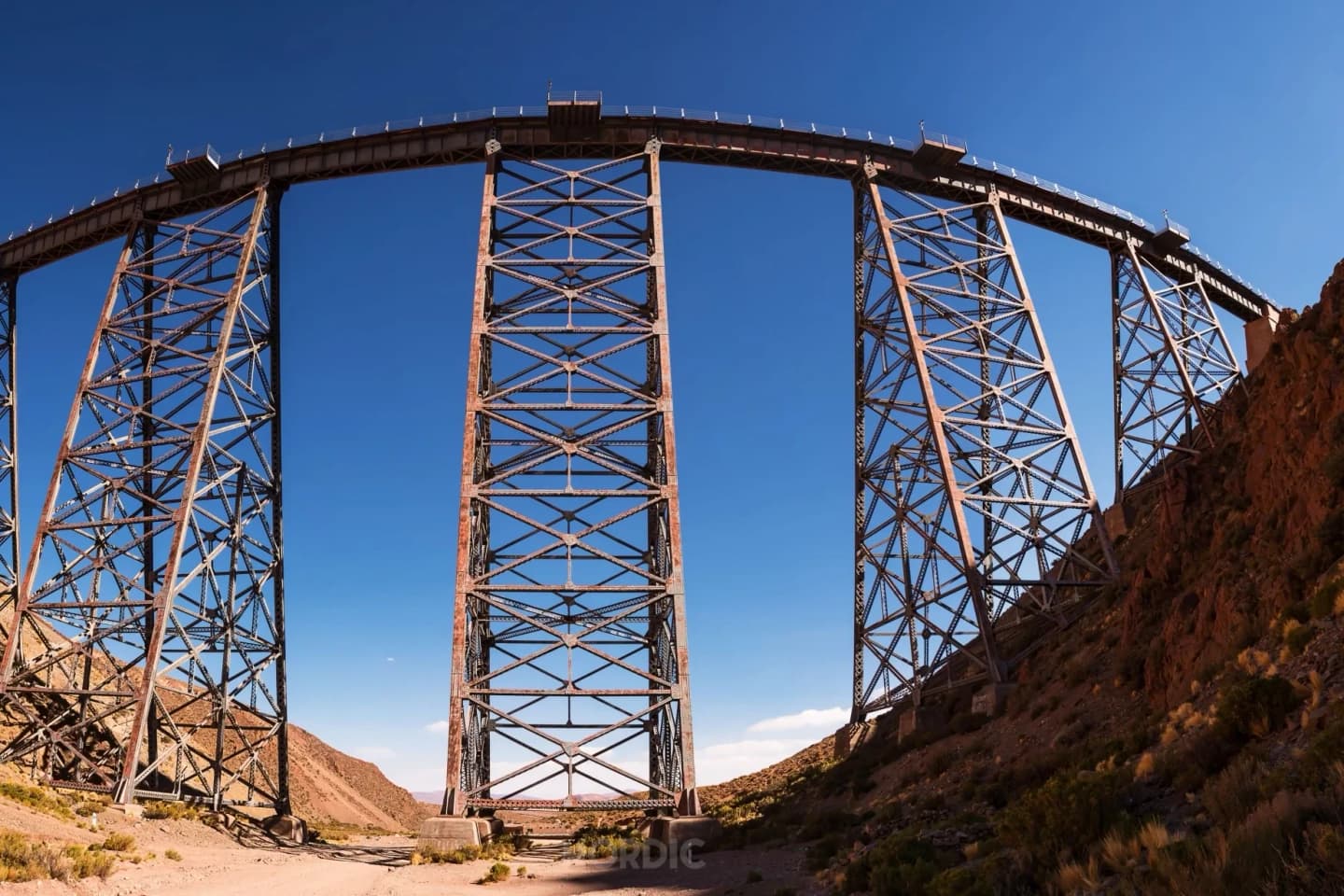
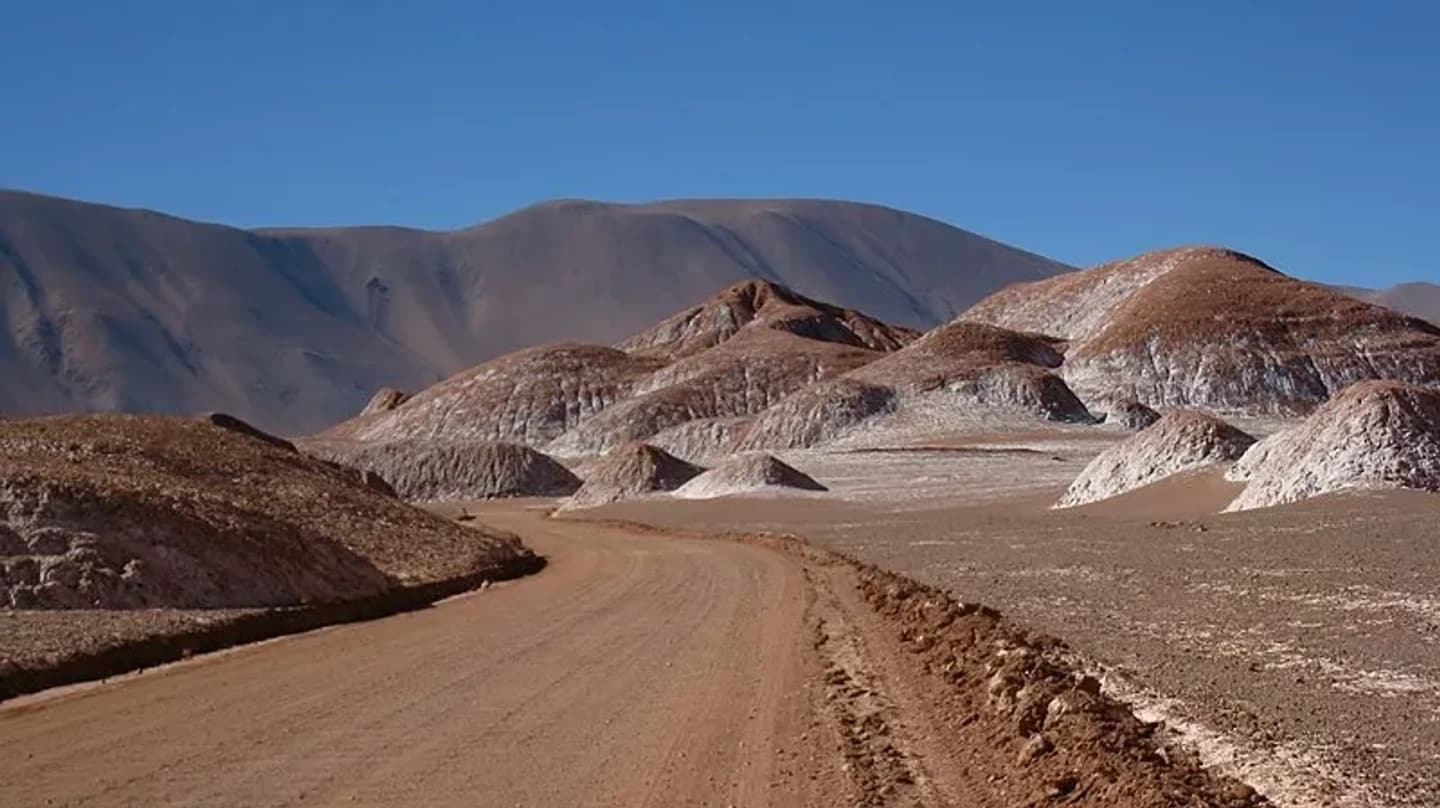
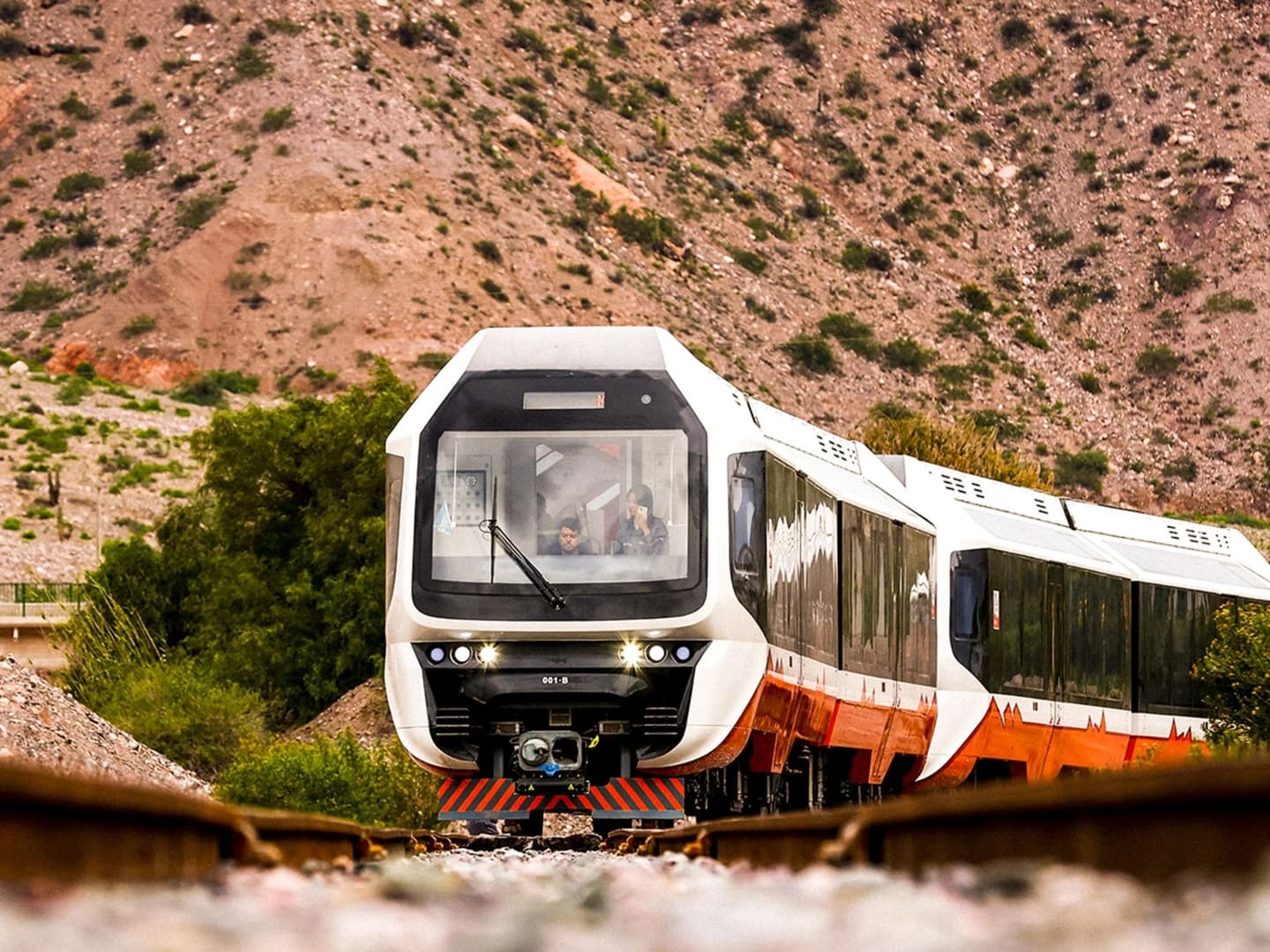
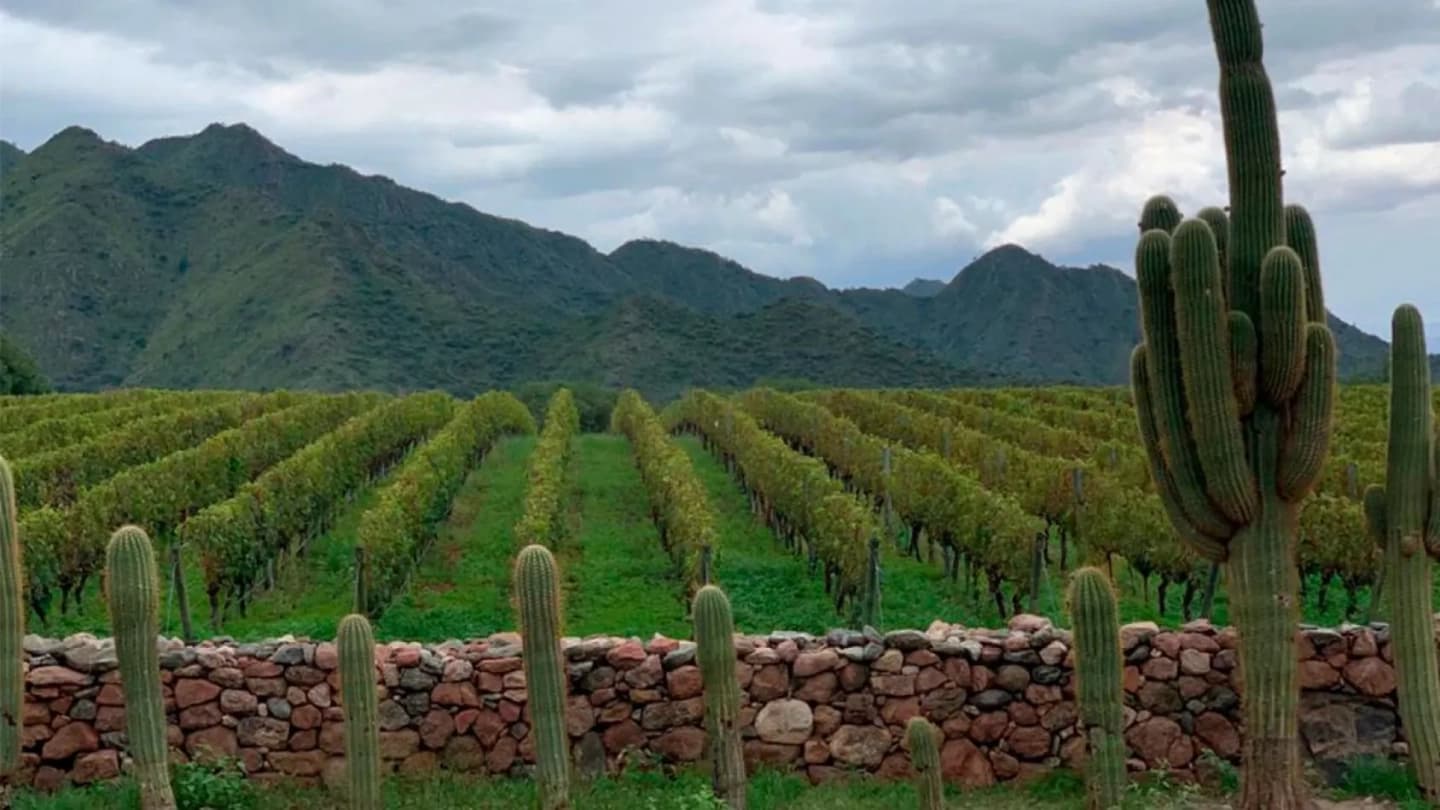
From Salta, you can take the following day trips: 1. Train to the Clouds: a scenic journey through the Andes Mountains. Distance: 217 km (one way). Travel time: 10 hours (round trip). 2. Quebrada de Humahuaca: a UNESCO World Heritage site, featuring unique landscapes and picturesque towns. Distance: 150 km (one way). Travel time: 3 hours (one way). 3. Salinas Grandes: a vast salt desert with stunning crystalline formations. Distance: 200 km (one way). Travel time: 3.5 hours (one way). 4. Cachi: a charming mountain village with colonial architecture and spectacular views. Distance: 155 km (one way). Travel time: 3 hours (one way). 5. Cafayate: known for its wineries and high-altitude wines, located in the heart of the Calchaquí Valley. Distance: 185 km (one way). Travel time: 3.5 hours (one way).
To visit the main attractions of Salta, it is recommended to spend between 3 and 4 days. With 3 days, you can dedicate one day to the City of Salta and Cerro San Bernardo, another to Quebrada de Humahuaca, and a third to Cafayate or Cachi. With 4 days, you can include a more extensive tour of Quebrada or a visit to Salinas Grandes.
The high season is from December to February (southern summer), with temperatures between 20°C and 30°C and rainfall. It’s the most in-demand time with higher prices. The best price-weather ratio is from April to June and from September to November: temperatures between 15°C and 25°C, less crowding, and accommodation prices 10% to 20% lower. Winter (June-August) is dry, with pleasant daytime temperatures of 10°C to 20°C and cold nights, and the lowest demand of the year.
Salta offers a wide range of prices. Reference costs are: hostel accommodation starting from ARS 5 (approximately $6 USD) per person; mid-range hotels in the center starting from ARS 20–ARS 50 (approximately $24–$60 USD) per night; budget lunch with a daily menu between ARS 4 and ARS 8 (approximately $5–$10 USD); and public transport (bus) at ARS 500 (approximately $1 USD) per trip. A 4-day trip with mid-range accommodation, meals, and main excursions costs around $250–$400 USD per person, depending on the season.
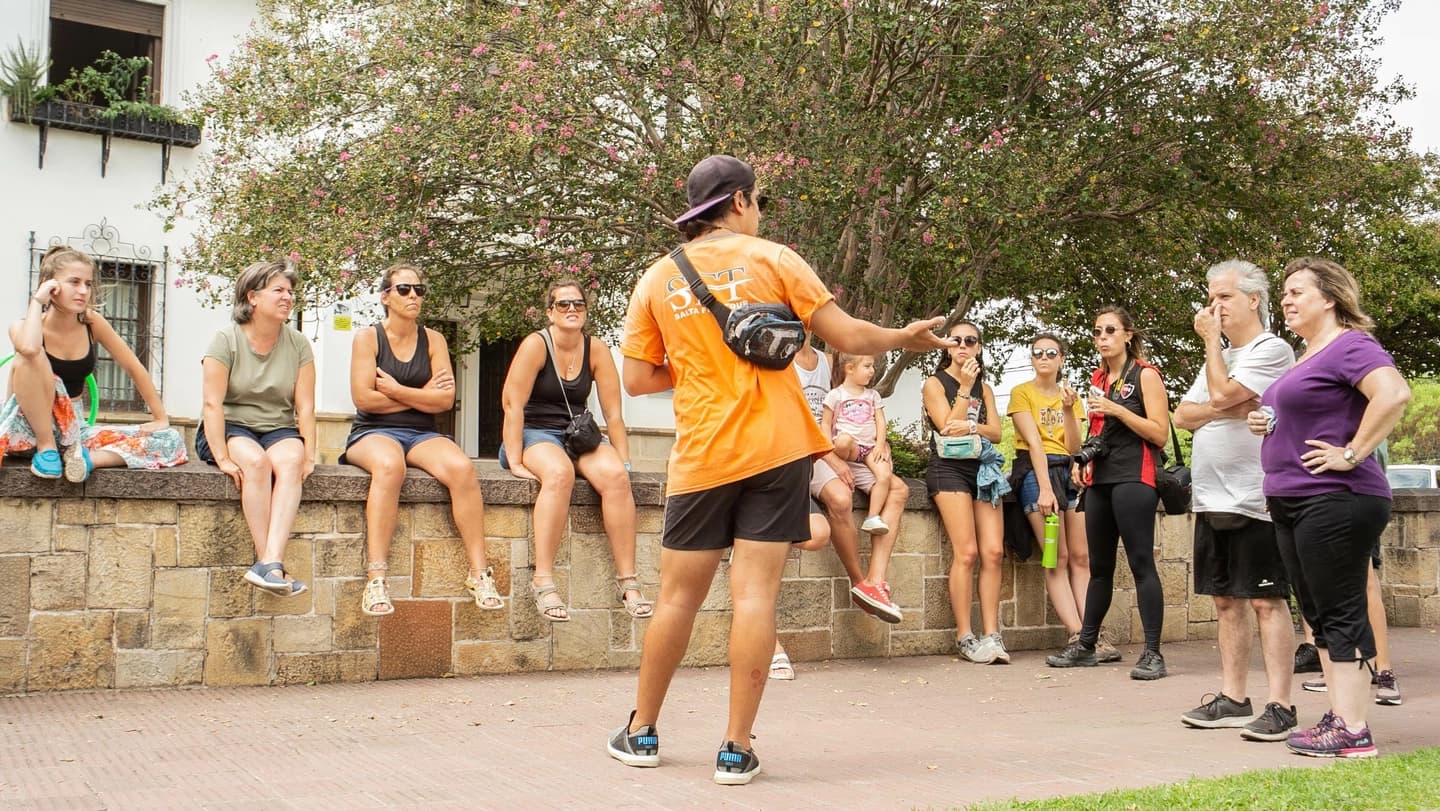
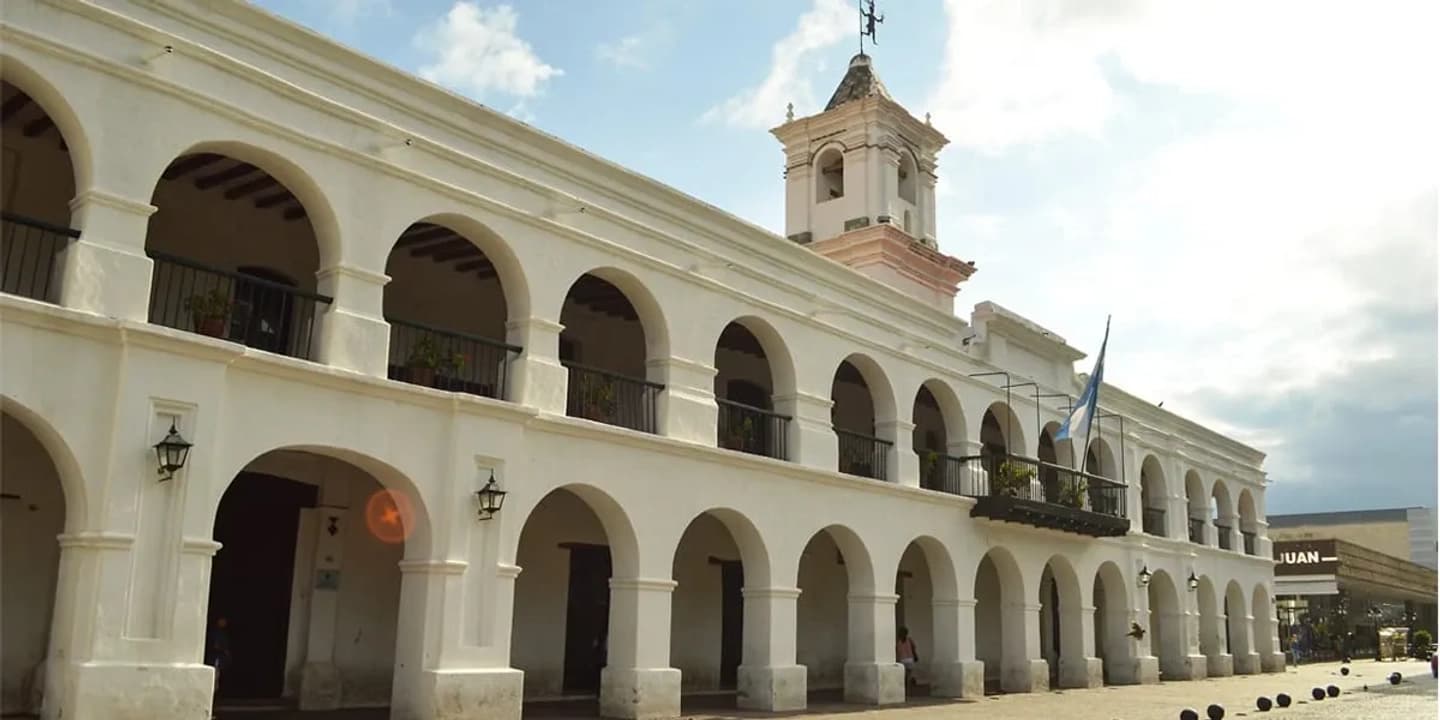
Activities in the City of Salta and Cerro San Bernardo can be done independently and economically. The Free Tour of the historic center of Salta (voluntary donation) covers Plaza 9 de Julio, the Cathedral, and the Cabildo.